Watermelon the ultimate summer refresher with its juicy, sweet red flesh is more than just a picnic favorite. This giant berry (yes, it’s technically a berry!) hides fascinating history, science, and health secrets. Here are the most surprising facts about watermelon that will make you love it even more!
Here are some perfect examples of fresh, whole watermelons:
1. Watermelon Is 92% Water
No other common fruit comes close! That incredible juiciness helps hydrate you better than many drinks, especially on hot days. It’s nature’s built-in water bottle.
2. It’s Technically a Berry and a Vegetable Too!
Botanically, watermelon is a pepoper (a type of berry). In some U.S. states (like Oklahoma), it’s legally classified as both a fruit and a vegetable making it one of the most flexible foods ever!
3. The World’s Heaviest Watermelon Weighed Over 350 Pounds!
The current record (as of recent years) is 350.5 pounds (159 kg) grown by Chris Kent in Tennessee, USA. Giant watermelon competitions are serious business!
4. Watermelon Has More Lycopene Than Fresh Tomatoes
Yes per serving, watermelon often contains higher levels of lycopene (the powerful antioxidant that gives it that red color) than tomatoes. Great news for heart health and skin protection!
Check out this mouthwatering sliced watermelon showing the juicy interior:
5. There Are Over 1,200 Watermelon Varieties Worldwide
From classic red-fleshed with black seeds, to seedless, yellow, orange, and even white-fleshed types the diversity is huge!
6. China Produces More Than Half the World’s Watermelons
China grows about 60–65% of global watermelons (over 60 million metric tons annually), making it the undisputed watermelon superpower.
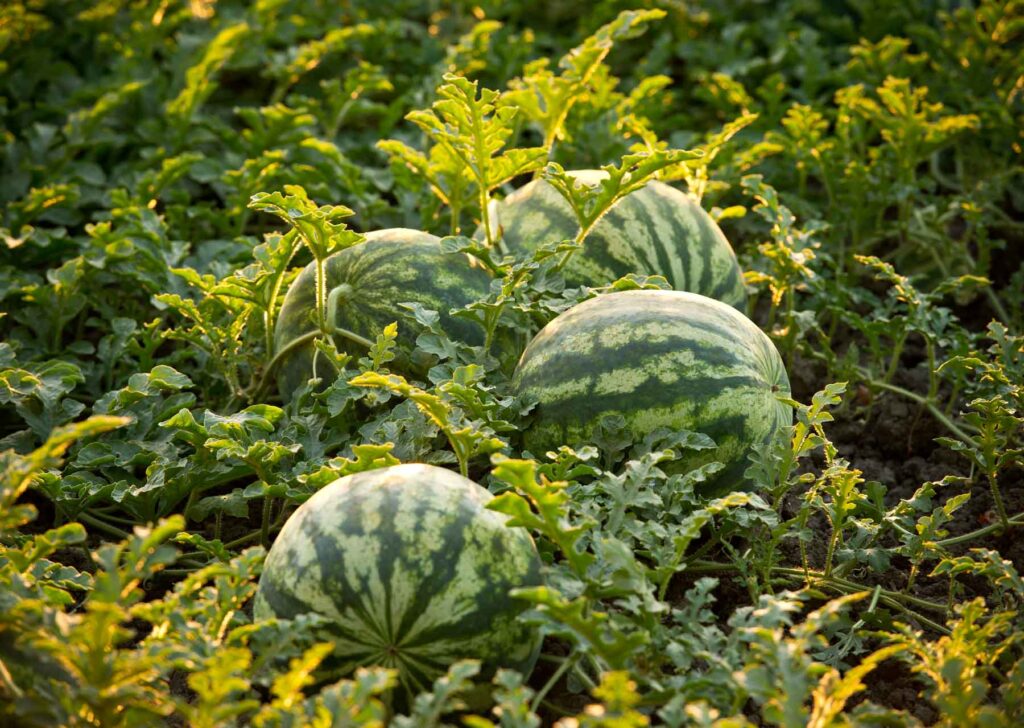
See how watermelons grow directly on the vine in the field:
7. Watermelon Rind Is Edible and Super Nutritious
The white part of the rind is packed with citrulline (an amino acid that helps blood flow and may reduce muscle soreness). Many people pickle it, stir-fry it, or blend it into smoothies!
8. Ancient Egyptians Loved Watermelon 5,000 Years Ago
Watermelon seeds were found in King Tut’s tomb! They cultivated it along the Nile as early as 2000 BCE and it was smaller, less sweet, and more like a survival fruit back then.
9. It Can Help Relieve Muscle Soreness After Exercise
Thanks to high citrulline content, studies show watermelon juice can reduce post-workout muscle pain and speed recovery nature’s sports drink!
Nothing beats a tall glass of refreshing watermelon juice on a hot day:
10. Watermelons Don’t Ripen After Picking
Like strawberries and grapes, watermelons are non-climacteric. Once harvested, they stop ripening so choose carefully at the store!
Quick Watermelon Facts Table
- A single large watermelon can contain over 200–300 seeds
- The scientific name Citrullus lanatus means “like citron with woolly hairs”
- Watermelon is low-calorie about 46 calories per cup
- It contains vitamins A, C, B6, plus potassium and magnesium
- Seedless varieties are created by cross-breeding (not GMOs!)