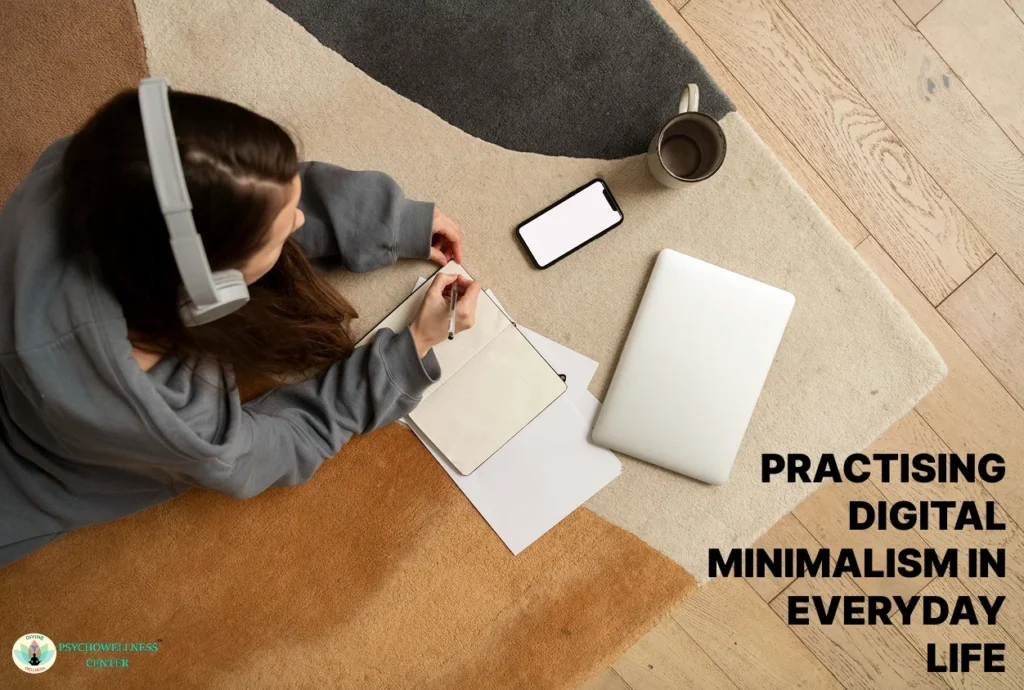
Digital technology has transformed how people work, communicate, and entertain themselves. Smartphones, social media, and constant notifications have become part of everyday life. While technology brings convenience, many individuals are starting to feel overwhelmed. This feeling has given rise to a lifestyle known as digital minimalism.
Digital minimalism is the intentional practice of using technology in a focused and meaningful way. Instead of constantly scrolling or multitasking, digital minimalists choose tools that support their values and remove those that distract them. The goal is not to reject technology, but to regain control over how it is used.
One major reason digital minimalism is gaining popularity is mental fatigue. Continuous exposure to notifications, news updates, and social media feeds places pressure on the brain. This constant stimulation reduces attention span and increases stress. By limiting digital noise, people experience clearer thinking and improved emotional balance.
Another factor is the growing awareness of time consumption. Many individuals realize that hours are lost each day to unnecessary screen use. Digital minimalism encourages people to evaluate how much time they spend online and whether that time truly adds value. Replacing passive scrolling with purposeful activities often leads to a greater sense of fulfillment.
Digital minimalism also supports deeper human connection. Social media often gives the illusion of connection without meaningful interaction. When people reduce online engagement, they tend to invest more in real conversations, relationships, and shared experiences. This shift strengthens emotional bonds and improves communication quality.
From a productivity perspective, digital minimalism helps reduce distraction. Multitasking between apps, emails, and messages fragments focus. By simplifying digital tools and setting boundaries, individuals can concentrate on one task at a time. This leads to higher quality work and greater efficiency.
The lifestyle also aligns with the growing interest in well being and mindfulness. Many digital minimalists combine reduced screen time with habits such as journaling, reading, meditation, or outdoor activities. These practices help restore balance between the digital world and physical reality.
However, adopting digital minimalism requires intentional effort. Technology is deeply integrated into daily routines, work demands, and social expectations. Setting boundaries may feel uncomfortable at first. People may fear missing out or losing connectivity. Over time, most find that the benefits outweigh these concerns.
Practical steps toward digital minimalism include turning off non essential notifications, organizing apps by priority, and setting specific times for email and social media. Some choose regular digital breaks, while others adopt phone free hours during evenings or weekends. The approach can be customized based on personal needs.
Businesses and workplaces are also beginning to recognize the value of digital minimalism. Fewer interruptions lead to better concentration and reduced burnout. Some organizations now encourage focused work periods and respect communication boundaries outside working hours.
Digital minimalism is not about perfection. It is about awareness and intentional choice. In a world filled with constant digital demands, simplifying technology use can help people reclaim time, focus, and mental clarity. As society becomes more connected, the desire to disconnect meaningfully may continue to grow.