Cars are among the most influential inventions in the history of modern transportation. They have transformed the way people travel, trade, and shape civilization. From simple steam-powered vehicles to advanced electric cars, the history of automobiles reflects the evolution of technology, industry, and human lifestyles.
The Early Beginnings of Motorized Vehicles
Before modern cars existed, people relied on animal-drawn carriages and basic wheeled transportation. The concept of motorized vehicles began to emerge in the 18th century when engineers and scientists experimented with machines as sources of propulsion.
In 1769, French engineer Nicolas-Joseph Cugnot created the first steam-powered vehicle capable of carrying passengers. Designed for military purposes, this invention is widely considered the earliest precursor to the modern automobile. However, it was large, slow, and difficult to control, limiting its practical use.
The Birth of the Internal Combustion Engine Car
The most significant breakthrough in automotive history occurred in the late 19th century with the invention of the internal combustion engine. In 1885, German engineer Karl Benz developed the Benz Patent-Motorwagen, which is widely recognized as the world’s first true automobile. It ran on a gasoline-powered single-cylinder engine and featured a three-wheel design.
Soon after, Gottlieb Daimler and Wilhelm Maybach introduced lighter and more efficient gasoline engines. Their innovations paved the way for automobiles that were more practical, reliable, and suitable for everyday use.
The Mass Production Revolution
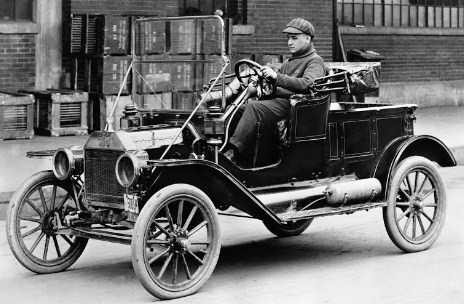
The early 20th century marked a major turning point in the automotive industry. American industrialist Henry Ford revolutionized car manufacturing by introducing the assembly line production system in 1913. This method dramatically reduced production time and costs.
The Ford Model T became the symbol of this revolution. It made automobiles affordable for the middle class and transformed cars from luxury items into essential means of transportation. Mass production also stimulated the growth of related industries such as steel, rubber, and petroleum.
Advancements in Design and Technology
As automobiles became more widespread, manufacturers began focusing not only on functionality but also on design, comfort, and safety. By the mid-20th century, cars had evolved into symbols of personal identity and social status.
Innovations such as hydraulic braking systems, seat belts, automatic transmissions, and air conditioning were introduced. These advancements improved driving safety, convenience, and comfort, making cars more accessible to a broader population.
Energy Crises and Environmental Awareness
The global oil crises of the 1970s forced the automotive industry to adapt. Rising fuel prices and supply shortages pushed manufacturers to develop more fuel-efficient vehicles. At the same time, public awareness of environmental issues related to vehicle emissions began to grow.
As a response, automakers explored alternative technologies, including more efficient diesel engines, hybrid vehicles, and emission-reduction systems. These efforts marked the beginning of a shift toward environmentally responsible transportation.
The Era of Electric Cars and the Future of Mobility
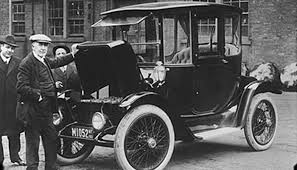
In the 21st century, the automotive industry entered a new phase with the rise of electric vehicles. Advances in battery technology have made electric cars more practical, affordable, and capable of longer driving ranges. Major manufacturers and technology startups now compete to produce innovative electric vehicles.
In addition to electrification, autonomous driving technology, artificial intelligence, and digital connectivity are reshaping the concept of cars. Vehicles are increasingly becoming smart, connected spaces rather than simple transportation tools.
The history of cars is a story of continuous innovation and adaptation to human needs. From steam-powered machines to intelligent electric vehicles, automobiles have played a vital role in shaping modern society.
This long journey demonstrates how technological progress can transform the world. With a growing focus on sustainability, automation, and smart technology, the future of automobiles promises to be safer, cleaner, and more efficient.