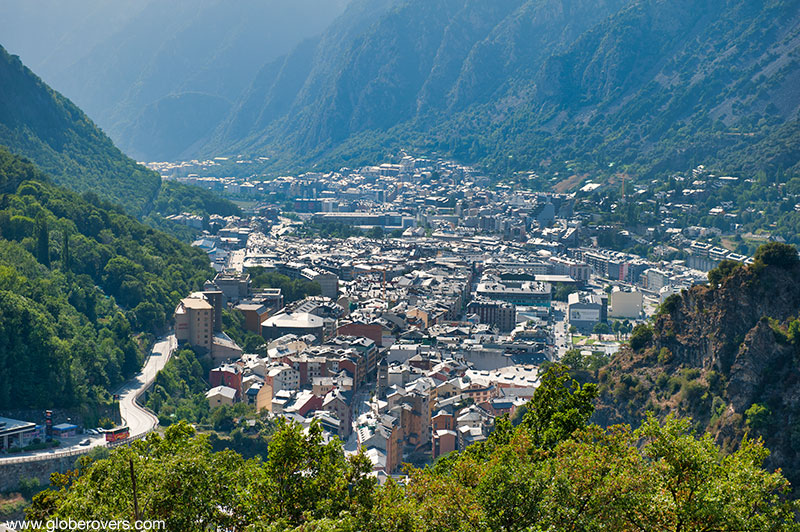
Nestled high in the Pyrenees Mountains between France and Spain, the Principality of Andorra is one of Europe’s oldest and most unique nations. With a rich history of Andorra spanning over a millennium, this landlocked microstate has maintained its independence through clever diplomacy, feudal agreements, and a distinctive co-principality system. Today, Andorra blends ancient traditions with modern prosperity, attracting visitors with its stunning landscapes, historic landmarks, and duty-free appeal.
Ancient Origins and Early Settlements
The history of Andorra dates back to prehistoric times. Archaeological evidence shows human presence in the valleys as early as the Neolithic period, with Iberian tribes like the Andosins inhabiting the region during the 7th–2nd centuries BC. The area saw influences from Romans, Visigoths, and Moors, but its rugged terrain provided natural isolation.
Legend credits Emperor Charlemagne with founding modern Andorra around AD 803. Tradition holds that Charlemagne granted a charter to the Andorran people for helping fight the Moors, establishing it as part of the Marca Hispanica a buffer zone for the Frankish Empire.
The Birth of the Co-Principality (1278 Pareatges)
The defining moment in Andorran history came in 1278 with the signing of the Pareatges agreements. Disputes between the Bishop of Urgell (in Spain) and the Count of Foix (in France) over control of the valleys were resolved by establishing shared sovereignty. This feudal arrangement made Andorra a co-principality, a system that endures today.
Over centuries, rights transferred: the French side passed from the Count of Foix to the French kings, then to the President of France. The Spanish side remains with the Bishop of Urgell. This unique governance helped Andorra remain neutral and independent through European conflicts.
Key historic landmark: Casa de la Vall, built in 1580 as a manor house and serving as Andorra’s parliament until 2011.
Medieval to Modern Era: Isolation and Neutrality
For centuries, Andorra remained isolated and agrarian. In 1419, the Council of the Land (early parliament) was established, one of Europe’s oldest. The country stayed neutral during major wars, including the Napoleonic era and both World Wars famously “ending” its technical involvement in WWI only in 1939 (or 1958, per some accounts).
The 20th century brought change: roads improved access, tourism boomed post-WWII, and banking grew. Women gained voting rights in 1970.
Andorra’s 1993 Constitution and Contemporary History
In 1993, Andorra adopted its first written constitution, transitioning to a parliamentary democracy while retaining the ceremonial co-princes (French President and Bishop of Urgell). It joined the UN in 1993 and adopted the euro in 2002, though not an EU member.
Today, Andorra thrives on tourism (ski resorts, hiking), shopping, and finance, with a high quality of life in its capital, Andorra la Vella Europe’s highest capital at 1,023 meters.
Key Timeline of Andorra’s History
- Prehistory–8th century: Iberian settlements; Charlemagne’s legendary charter (c. 803).
- 988: Bishop of Urgell gains control.
- 1278: Pareatges establish co-principality.
- 1419: Creation of the Council of the Land.
- 1607: French head of state becomes co-prince.
- 1933–1945: Neutrality in wars; brief eccentric “king” episode in 1934.
- 1970: Women gain voting rights.
- 1993: Modern constitution; full sovereignty in international affairs.
- Present: Prosperous microstate with over 10 million annual visitors.
Andorra’s history is a remarkable story of resilience. From medieval feudal roots to a vibrant modern nation, the Principality of Andorra continues to captivate with its enduring independence and breathtaking Pyrenean beauty. Plan your visit to explore its historic sites and natural wonders!