Australia, the world’s sixth-largest country and the only nation to occupy an entire continent, has a rich and diverse history of Australia spanning tens of thousands of years. From Indigenous heritage to European colonization, gold rushes, federation, and contemporary multiculturalism, Australia’s story is one of resilience, transformation, and cultural fusion.
Here’s a visual timeline overview of key events in Australian history:
Indigenous Australian History: Over 65,000 Years of Heritage
The history of Australia begins with its First Nations peoples. Aboriginal and Torres Strait Islander cultures are among the oldest continuous civilizations on Earth, dating back at least 65,000 years.
Ancient rock art and Dreamtime stories reflect deep connections to the land.
Before European arrival, hundreds of Indigenous languages and nations thrived across the continent.
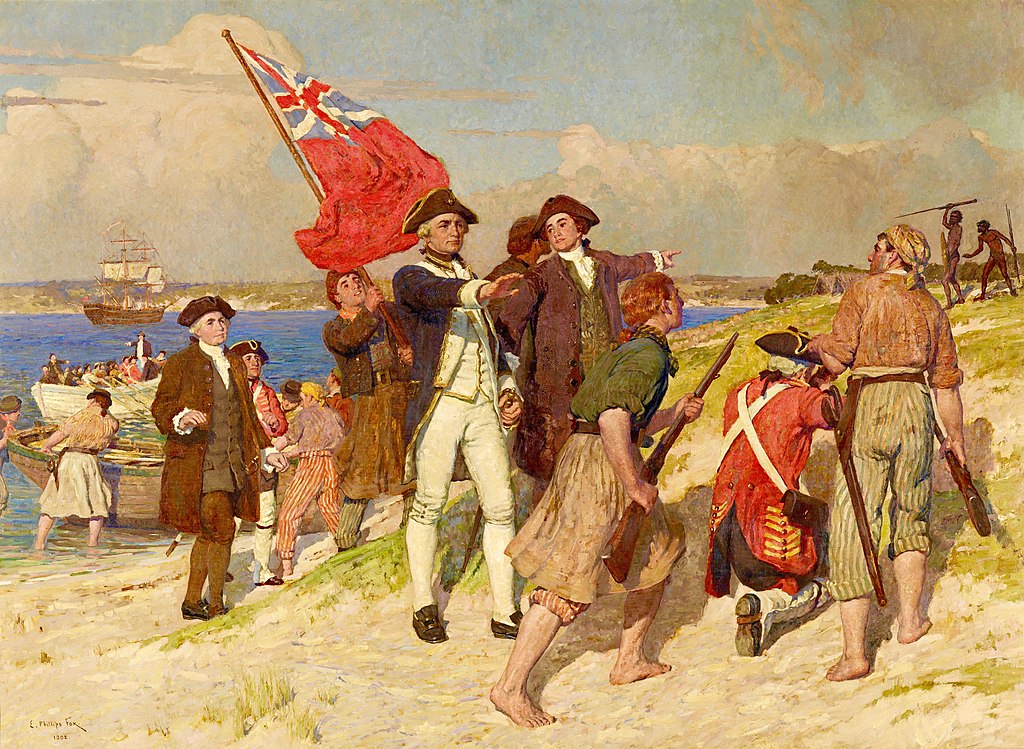
European Exploration and Colonization (1770–1788)
In 1770, British explorer Captain James Cook claimed the east coast for Britain, naming it New South Wales.
The pivotal moment came in 1788 with the arrival of the First Fleet, led by Captain Arthur Phillip. Eleven ships carrying convicts, soldiers, and officials established a penal colony at Sydney Cove—this marked the beginning of British settlement.
19th Century: Expansion, Gold Rushes, and Growth
The 1800s saw rapid expansion. Convict transportation ended in the mid-1800s, and free settlers arrived. The Australian gold rushes of the 1850s, particularly in Victoria and New South Wales, triggered massive immigration and economic booms.
Population surged, leading to demands for self-governance.
Federation and Nationhood (1901)
On January 1, 1901, the six British colonies united to form the Commonwealth of Australia, a federal nation under the British Crown. The ceremony in Sydney marked the birth of modern Australia.
20th Century to Present: Wars, Immigration, and Reconciliation
Australia played key roles in both World Wars, with ANZAC troops at Gallipoli becoming a national legend. Post-WWII immigration transformed the country into a multicultural society.
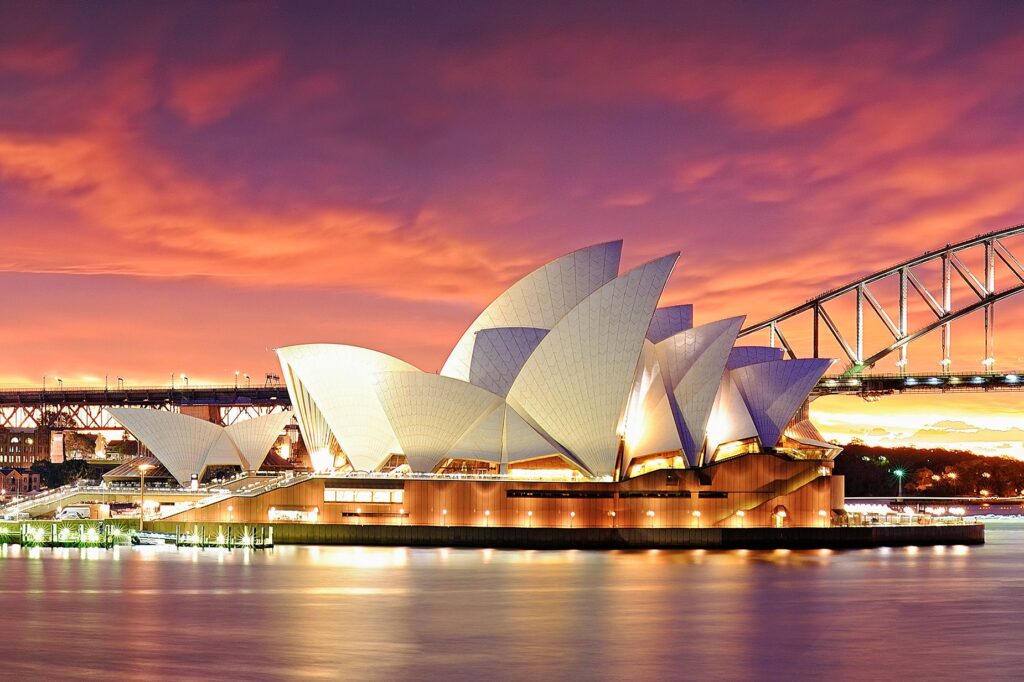
Iconic landmarks like the Sydney Opera House (opened 1973) and Harbour Bridge symbolize modern Australia.
Recent decades include Indigenous reconciliation efforts, such as the 2008 national apology for the Stolen Generations.
Key Milestones in Australian History Timeline
| Period | Key Event | Significance |
|---|---|---|
| ~65,000 years ago | First Indigenous arrival | Oldest continuous culture |
| 1770 | Captain Cook’s voyage | European “discovery” |
| 1788 | First Fleet arrival | Start of British colonization |
| 1850s | Gold rushes | Population and economic boom |
| 1901 | Federation | Birth of the Commonwealth |
| 1915 | Gallipoli campaign | ANZAC spirit formed |
| 1973 | Sydney Opera House opening | Cultural landmark |
| 2008 | National Apology to Stolen Generations | Step toward reconciliation |
The history of Australia weaves ancient Indigenous traditions with waves of migration and innovation, creating a vibrant, diverse nation today. From sacred rock art to bustling cities, Australia’s past continues to shape its identity as a land of opportunity and natural wonder.
Interested in specific eras, Indigenous culture, or famous Australians? Dive deeper into this fascinating history!