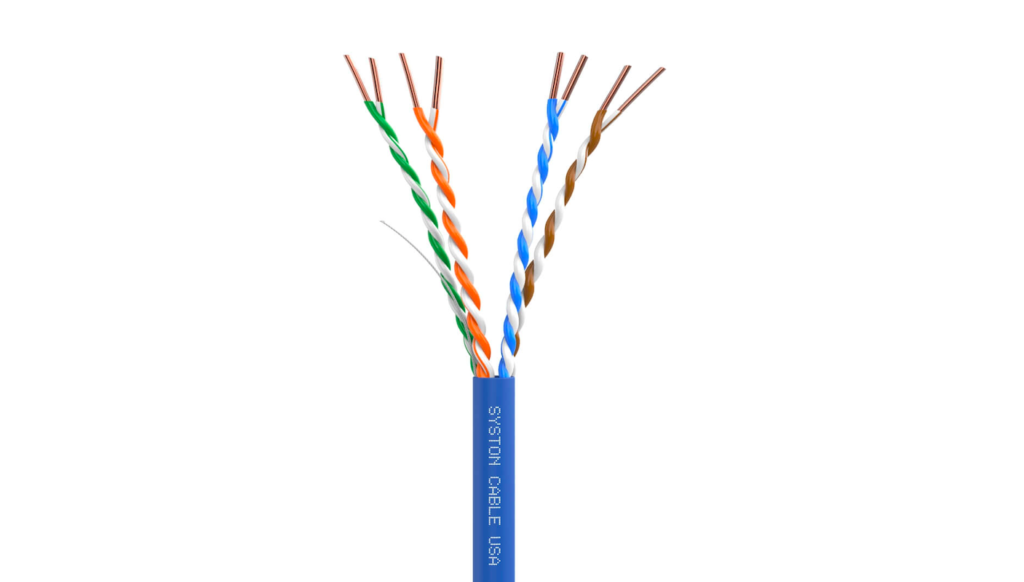
Network cables, commonly known as Ethernet cables, remain the gold standard for reliable, high-speed wired connections in homes, offices, gaming setups, and data centers. Even in 2026 with Wi-Fi 7 and beyond dominating wireless in wired Ethernet delivers lower latency, higher stability, and immunity to interference. This comprehensive guide breaks down Ethernet cable categories, their speeds, shielding types, applications, and tips for choosing the right one.
Ethernet Cable Categories Comparison
Here’s a quick overview of the most popular Ethernet cable types in 2026:
| Category | Max Speed | Frequency | Max Distance | Common Use | Shielding Options |
|---|---|---|---|---|---|
| Cat5e | 1 Gbps | 100 MHz | 100m | Basic home/office networks | UTP/STP |
| Cat6 | 10 Gbps | 250 MHz | 55m (10G), 100m (1G) | Gaming, streaming, small businesses | UTP/STP |
| Cat6a | 10 Gbps | 500 MHz | 100m | Future-proof home/office, PoE devices | STP recommended |
| Cat7 | 10 Gbps | 600 MHz | 100m | Professional installations, high interference areas | Fully shielded (S/FTP) |
| Cat8 | 25/40 Gbps | 2000 MHz | 30m | Data centers, server rooms | Fully shielded (S/FTP) |
Key Ethernet Cable Types Explained
1. Cat5e Ethernet Cables
The most affordable and widely used option for gigabit internet.
- Features: Enhanced crosstalk reduction over original Cat5.
- Best For: Home networks, basic streaming, and most ISPs up to 1 Gbps.
2. Cat6 and Cat6a Ethernet Cables
Step up for faster speeds and better performance.
- Cat6: Great for 4K streaming, online gaming, and small offices.
- Cat6a: Fully supports 10 Gbps over longer distances with superior shielding.
3. Cat7 Ethernet Cables
Built for demanding environments.
- Features: Individual pair shielding + overall shield for minimal interference.
- Best For: Industrial settings, audio/video production.
4. Cat8 Ethernet Cables
The fastest standard for short runs.
- Features: Heavy shielding, supports 25G/40G networks.
- Best For: Data centers, high-performance computing, future-proof server connections.
Shielded vs Unshielded (STP vs UTP)
- UTP (Unshielded Twisted Pair): Cheaper, flexible ideal for homes with low interference.
- STP/FTP (Shielded): Protects against EMI (electromagnetic interference) essential near power lines or in dense setups.
How to Choose the Right Network Cable in 2026
- Match Your Internet Speed: Cat5e for 1 Gbps, Cat6+ for 2.5G/5G/10G plans.
- Consider Distance and Environment: Longer runs or noisy areas need higher categories and shielding.
- Power over Ethernet (PoE): For IP cameras, VoIP phones choose Cat6a or higher.
- Future-Proofing: Cat6a is the sweet spot for most homes and businesses.
- Quality Matters: Look for pure copper (not CCA), certifications (TIA/EIA), and snagless RJ45 connectors.
Wired Ethernet still outperforms wireless for gaming, large file transfers, and stable connections. Upgrade your network cables today for smoother performance tomorrow!