Electrical power cables are the backbone of any electrical system, safely transmitting electricity from power sources to homes, offices, industries, and infrastructure. In 2026, with increasing demand for renewable energy, smart grids, and EV charging stations, choosing the right power cable is more important than ever. This in-depth guide covers everything you need to know about types of electrical power cables, their sizes, ratings, applications, and how to select the best one for your project.
What Are Electrical Power Cables?
Electrical power cables consist of one or more conductors (usually copper or aluminum) insulated and protected by sheathing to prevent shocks, shorts, and environmental damage. They are rated by voltage (low, medium, high), current capacity (amperage), and insulation type.
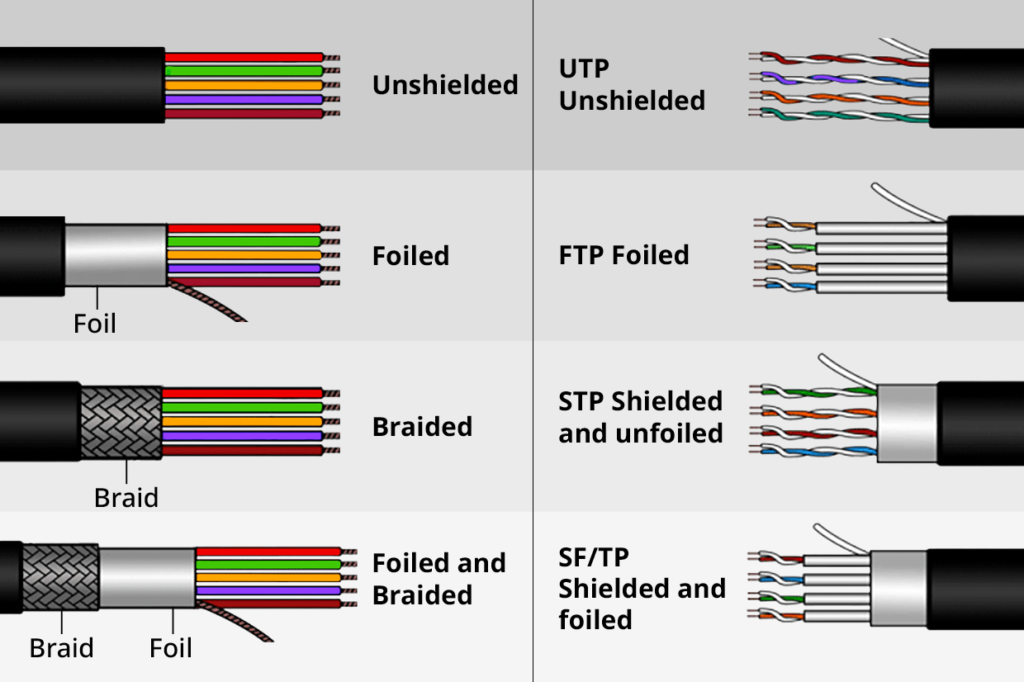
Key components in a typical power cable cross-section:
- Conductor: Carries the current.
- Insulation: Prevents leakage (e.g., PVC, XLPE).
- Shielding/Armor: Protects against mechanical damage.
- Outer sheath: Provides overall protection.
Main Types of Electrical Power Cables
Here are the most common types of power cables used today:
1. Non-Metallic Sheathed Cable (NM-B or Romex)
- Common Use: Residential wiring for outlets, lights, and appliances.
- Features: PVC insulation, easy to install indoors (dry locations).
- Sizes: 14 AWG (15A), 12 AWG (20A), 10 AWG (30A).
- Pros: Affordable, flexible, code-compliant for homes.
2. Armored Cable (AC or BX/MC)
- Common Use: Exposed runs, commercial buildings, areas needing extra protection.
- Features: Metal armor over insulated conductors for mechanical protection.
- Pros: Resistant to damage, suitable for wet/dry locations.
3. Underground Feeder Cable (UF-B)
- Common Use: Direct burial for outdoor lighting, pumps, or underground feeds.
- Features: Moisture-resistant sheath, no conduit needed in many cases.
- Pros: UV and water-resistant for buried installations.
4. Medium and High Voltage Power Cables
- Common Use: Power distribution, industrial plants, substations, renewable energy farms.
- Features: XLPE insulation, shielding for electromagnetic interference.
- Voltage Ratings: Medium (1kV-33kV), High (66kV+).
- Pros: Efficient long-distance transmission with minimal loss.
Cable Sizes and Ratings Explained
- AWG (American Wire Gauge): Smaller number = thicker wire (e.g., 12 AWG handles more current than 14 AWG).
- Ampacity: Maximum current a cable can carry safely (depends on insulation, temperature, and installation).
- Voltage Rating: Must exceed your system’s voltage (e.g., 600V for most residential).
Always consult local electrical codes (NEC in the US) for proper sizing.
How to Choose the Right Electrical Power Cable
- Determine Voltage and Load: Calculate total amps needed.
- Environment: Indoor/outdoor, wet/dry, buried/exposed.
- Length: Account for voltage drop over distance.
- Safety Certifications: Look for UL, ETL, or RoHS markings.
- Future-Proofing: Opt for higher-rated cables for expansions like solar or EV chargers.
In 2026, eco-friendly cables with recyclable materials and better efficiency are gaining popularity.
Whether you’re a DIY homeowner wiring a new outlet or an engineer planning a grid upgrade, understanding electrical power cables ensures safety and reliability. If you have a specific project in mind, drop the details for tailored advice!