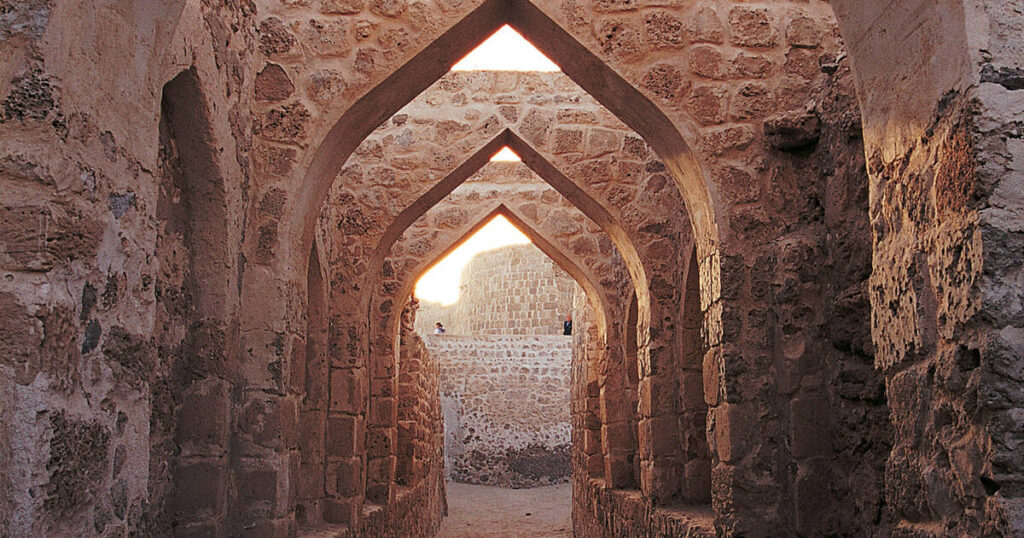
The history of Bahrain is one of the oldest and most fascinating in the world, spanning over 5,000 years. This small archipelago in the Persian Gulf, known today for its gleaming skyscrapers and Formula 1 Grand Prix, was once the heart of the legendary Dilmun civilization, a major trading hub mentioned in ancient Mesopotamian texts as a paradise. Explore the key chapters of Bahrain history that transformed this island nation into a blend of ancient heritage and contemporary prosperity.
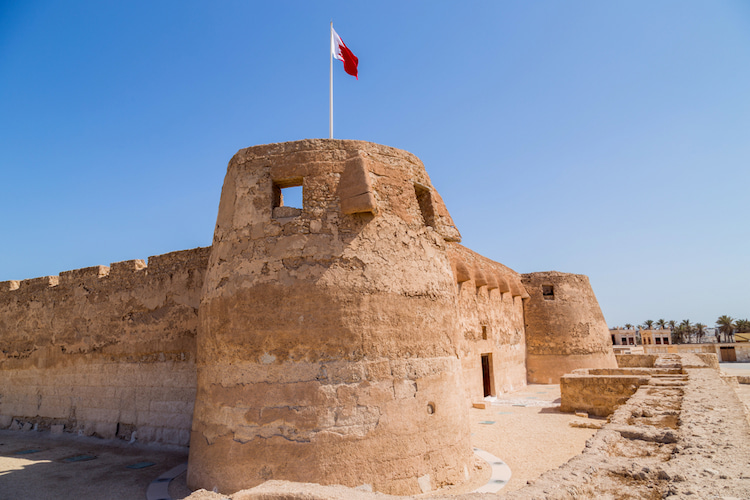
Ancient Era: The Dilmun and Tylos Civilizations (3000 BC – 7th Century AD)
Bahrain’s recorded history begins with the Dilmun civilization around 3000 BC, a prosperous trading empire linking Mesopotamia (modern Iraq) with the Indus Valley. Dilmun was famed for its freshwater springs, pearls, and copper trade, often described in Sumerian myths as the “Land of Immortality.”
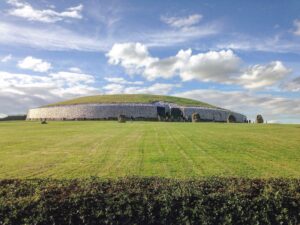
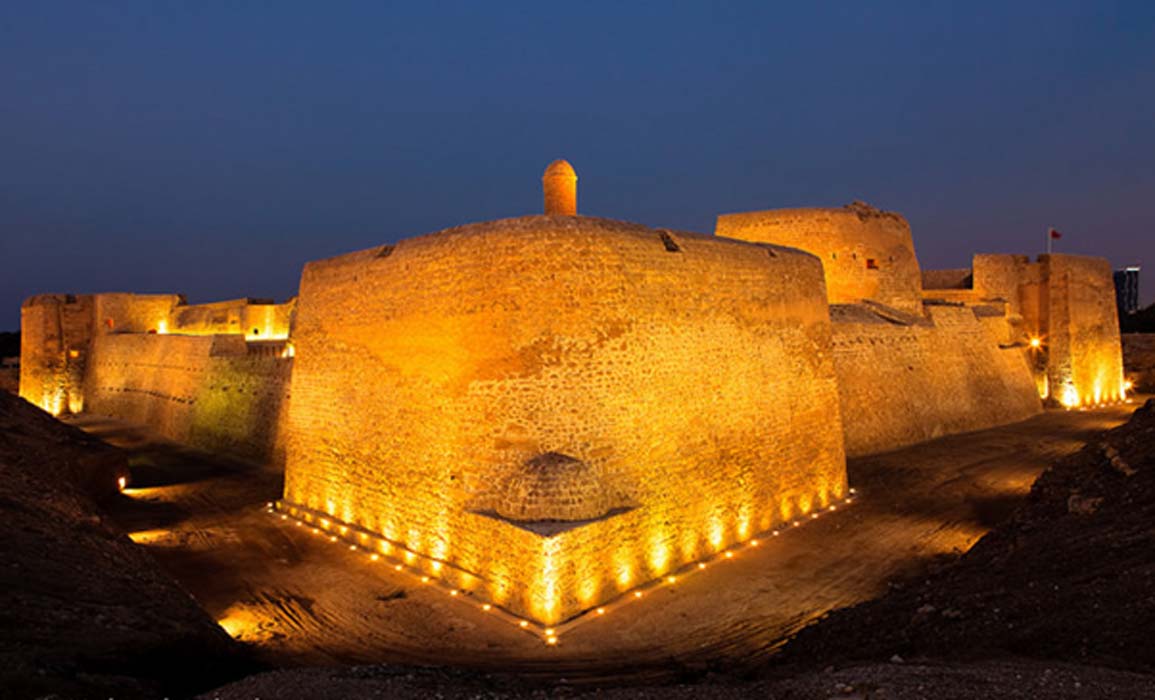
The Bahrain Fort (Qal’at al-Bahrain), a UNESCO World Heritage Site, served as Dilmun’s capital and port for centuries. Archaeological excavations reveal layers of occupation, including impressive burial mounds – Bahrain hosts over 100,000 ancient mounds, one of the densest concentrations worldwide.
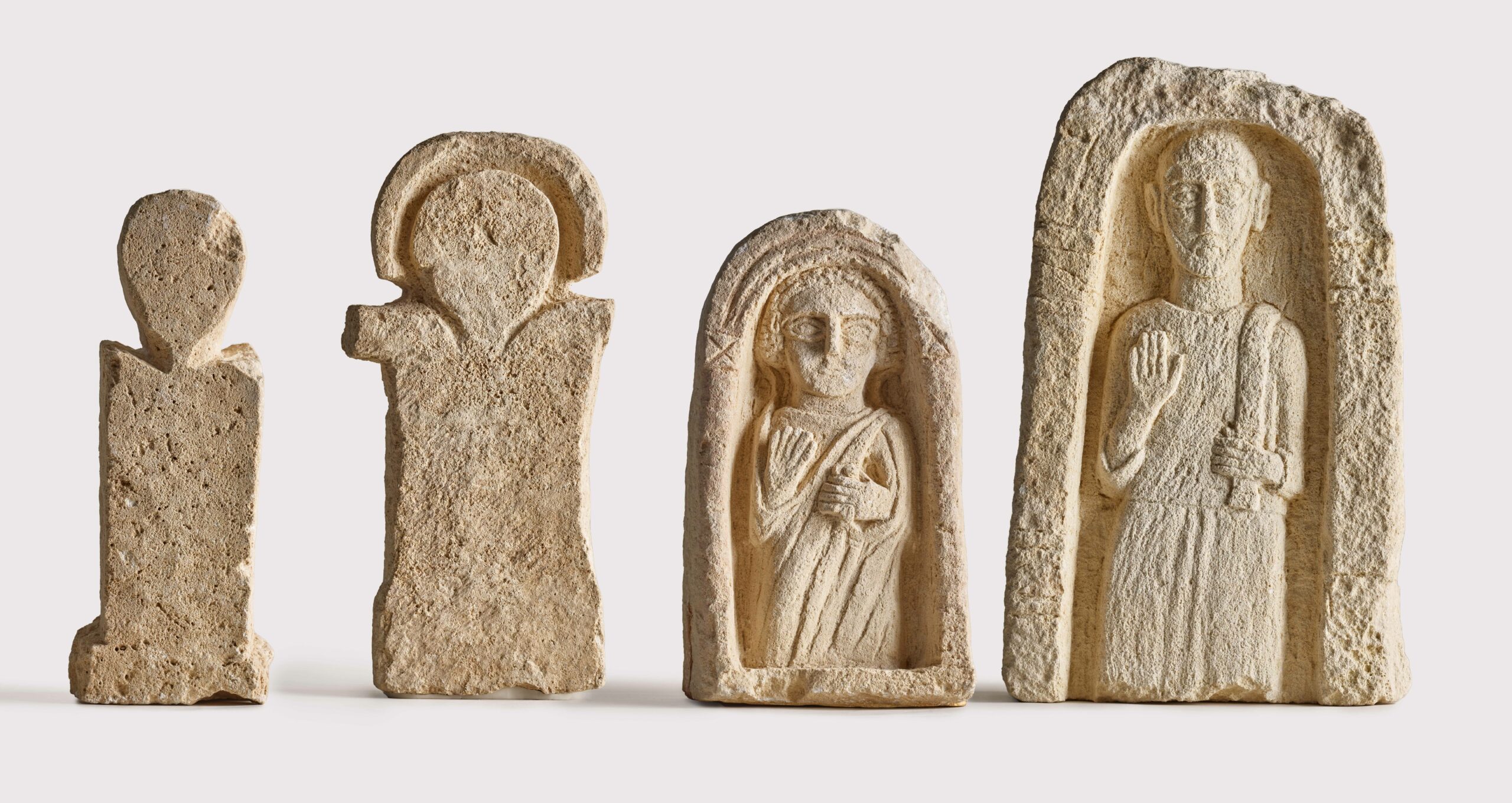
Later, under Hellenistic influence after Alexander the Great, it became known as Tylos (4th century BC – 7th century AD), continuing as a vital trade center.
Islamic Period and Pearling Economy (7th – 19th Centuries)
Islam arrived in Bahrain in the 7th century AD, making it one of the earliest regions to embrace the faith. Over the centuries, it was ruled by various dynasties, including the Umayyads, Abbasids, and local Arab tribes.
From the 18th century, the Al Khalifa family, originating from the Arabian Peninsula, established control, laying the foundation for modern Bahrain. The economy thrived on pearling, with Bahrain’s oysters producing the world’s finest natural pearls. Thousands of divers in traditional dhow boats harvested the Gulf’s riches, supporting a vibrant maritime culture until the 1930s when cultured pearls from Japan caused the industry’s decline.
The Pearling Path, another UNESCO site, preserves this heritage with historic buildings and testimonies of the pearling era.


British Protectorate and Oil Discovery (19th – Mid-20th Centuries)
In 1820, Bahrain signed its first treaty with Britain, becoming a British protectorate in 1861 to safeguard against regional threats. This period brought stability and modernization.
The game-changer came in 1932 when oil was discovered – the first in the Gulf region. This sparked rapid development, shifting the economy from pearling to petroleum and attracting international investment.
Independence and Modern Bahrain (1971 – Present)
Bahrain gained full independence from Britain on August 15, 1971, under Sheikh Isa bin Salman Al Khalifa. It initially planned a union with Qatar and the UAE but opted for sovereignty.
In 2002, it became a constitutional monarchy under King Hamad bin Isa Al Khalifa, with reforms introducing a bicameral parliament. Today, Bahrain is a financial hub with a diversified economy, hosting the U.S. Navy’s Fifth Fleet and iconic landmarks like the Bahrain World Trade Center.
Manama, the capital, seamlessly blends ancient souqs with modern skyscrapers, reflecting Bahrain’s enduring legacy.

Discover Bahrain’s History Today
From the mysterious Tree of Life in the desert to UNESCO sites and vibrant festivals, Bahrain history offers a journey through time. Whether you’re a history buff or seeking cultural adventures, this Gulf pearl invites you to uncover its ancient secrets amid modern luxury.