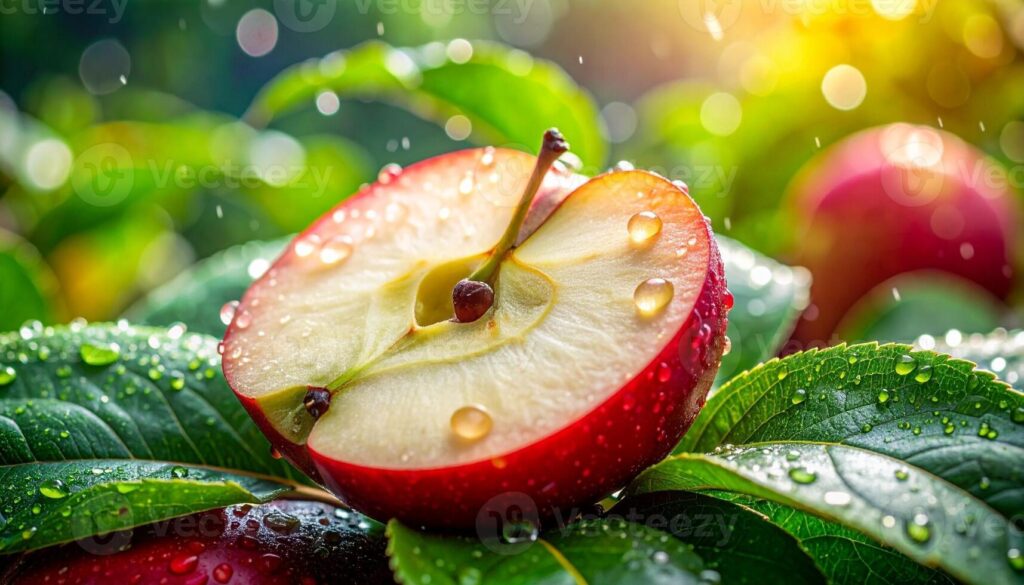
Apples the iconic, crunchy, sweet (or tart) fruit loved worldwide are way more than just a healthy snack. From ancient legends to surprising science, here are the most interesting facts about apples that will make you see this everyday fruit in a whole new light.
Here are some beautiful views of fresh apples growing in orchards:
1. Apples Are Part of the Rose Family
Yes, really! Apples (Malus domestica) belong to the Rosaceae family, which also includes roses, strawberries, peaches, cherries, almonds, and pears. Next time you bite into an apple, you’re eating a very distant cousin of a rose!
2. There Are Over 7,500 Known Apple Varieties Worldwide
From classic Red Delicious and Granny Smith to rare heirlooms like Black Oxford or Cornish Gilliflower the diversity is massive. Only about 100 varieties are grown commercially, but thousands exist in home orchards and collections.
Check out this stunning variety of apple colors:
3. Apples Float Because 25% of Their Volume Is Air
This is why apples bob in water perfect for the classic carnival game! The air pockets also make them crisp and crunchy.

4. One Medium Apple Contains About 4–5 Grams of Dietary Fiber
That’s roughly 15–20% of your daily fiber needs mostly in the skin. Eating the peel gives you maximum gut health, heart benefits, and blood sugar control.
Nothing beats the refreshing look of a juicy sliced apple:
5. Apples Were the First Fruit Eaten in Space
In 1991, cosmonauts on the Soviet Mir space station enjoyed fresh apples delivered by a supply mission. Apples are still a favorite space-friendly fruit because they store well and don’t produce crumbs.
6. China Produces Nearly Half of the World’s Apples
China grows about 45–50% of global apple production (over 45 million metric tons annually), far ahead of the United States, Turkey, Poland, and India.
7. The Phrase “An Apple a Day Keeps the Doctor Away” Is Over 150 Years Old
First recorded in 1866 in Wales as “Eat an apple on going to bed, and you’ll keep the doctor from earning his bread.” Scientific studies today back this up regular apple eaters often have lower risk of heart disease, diabetes, and certain cancers.
8. Apple Seeds Contain a Tiny Amount of Cyanide (But Don’t Worry)
Each seed has about 0.6 mg of cyanide you’d need to eat around 150–200 seeds (about 20 whole apples’ worth) in one sitting to reach toxic levels. Chewing a few accidentally? Totally harmless.
9. Apples Ripen 10 Times Faster at Room Temperature Than in the Fridge
Want your apples to ripen quickly? Leave them out. Want them to last months? Store them in the crisper drawer at 0–4°C (32–39°F) they can stay fresh for 6+ months!
Fresh farm apples in a rustic basket look irresistible:
10. The Color “Orange” Came Before the Fruit But “Apple” Named Many Colors
Before “orange” existed as a color name (named after the fruit), people described it as “yellow-red.” Meanwhile, many languages use “apple” in color names (e.g., “apple green”).
Nothing beats a refreshing glass of fresh apple juice:
Quick Apple Facts Table
- Apple trees can live and produce fruit for over 100 years
- The largest apple ever recorded weighed over 4.1 pounds (1.85 kg)
- Apples are non-climacteric they don’t continue ripening after picking
- There are more apple varieties than any other tree fruit
- The average apple tree produces 400–800 apples per year