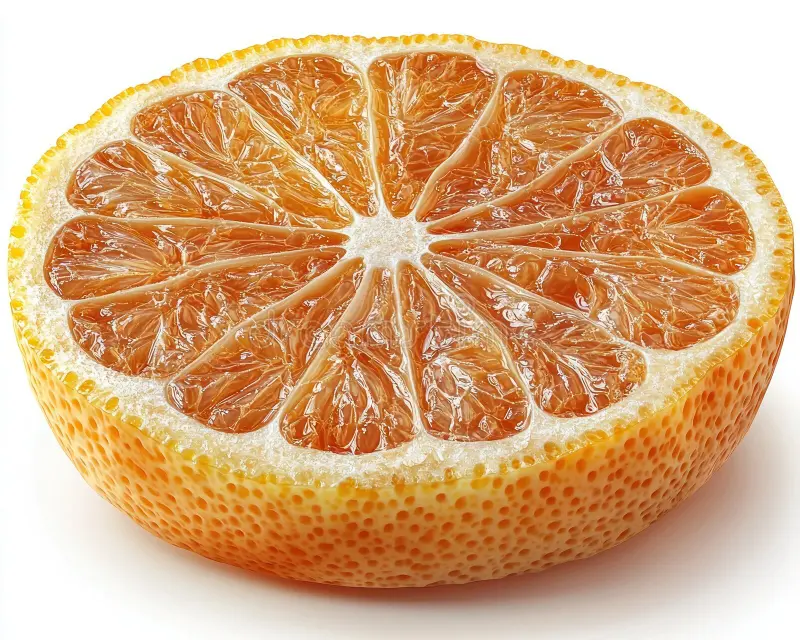
Oranges the bright, juicy citrus fruit that screams sunshine are much more than just a breakfast staple or vitamin C source. From ancient origins to hidden science tricks, here are some of the most fascinating facts about oranges that will make you appreciate this popular fruit even more.
Here are some stunning views of fresh oranges:
1. Oranges Are Actually a Hybrid Fruit
The orange isn’t a “natural” fruit like apples or bananas. It’s a natural hybrid between pomelo and mandarin orange (about 25% pomelo + 75% mandarin genes). This amazing cross happened thousands of years ago nature’s original citrus mash-up!
2. Oranges Weren’t Always Orange in Color
In many tropical regions (like Southeast Asia or parts of India), ripe oranges stay green! The classic orange color only develops in cooler climates due to the breakdown of chlorophyll. So next time you see a green orange it’s probably perfectly ripe and sweet.
3. One Medium Orange Gives Nearly 100% of Your Daily Vitamin C
A single average orange (about 130–150g) contains 70–90 mg of vitamin C that’s almost your entire daily requirement! No other common citrus fruit beats it for this immune-boosting powerhouse.
Here’s how juicy and refreshing real oranges look when sliced:
4. Oranges Float But Peeled Ones Sink
Ever noticed oranges bob in water? That’s because their thick peels contain tiny air pockets. Peel one and drop it in — it sinks like a stone because the dense, juicy flesh is heavier than water. Fun science experiment for kids!
5. Christopher Columbus Brought Oranges to the New World
In 1493, on his second voyage, Columbus carried citrus seeds (including oranges) to the Americas. The first orange trees in Florida were planted in the mid-1500s by Spanish explorers. Today, Florida and California are legendary for orange production.
6. Brazil Produces More Oranges Than Any Other Country
Brazil accounts for roughly one-third of the world’s orange production far ahead of the United States, China, Mexico, and others. Most Brazilian oranges become juice that ends up worldwide.
See how beautiful oranges grow directly on the tree:
7. Orange Peel Contains More Nutrients Than the Flesh
Surprisingly, the peel has higher concentrations of many antioxidants, flavonoids (like hesperidin), fiber, and even vitamin C than the juicy inside. That’s why chefs and health enthusiasts love using fresh orange zest!
8. Oranges Can Help Lower Stress and Blood Pressure
The vitamin C in oranges reduces cortisol (stress hormone) levels. Plus, flavonoids like hesperidin may help lower blood pressure and bad cholesterol making oranges a true heart-friendly snack.
9. They Symbolize Good Luck in Many Cultures
In Chinese culture, oranges represent good fortune, happiness, and prosperity (especially during Lunar New Year). In many countries, they’re traditional gifts symbolizing purity and abundance.
10. Fresh-Squeezed Orange Juice vs Whole Fruit Big Difference
While orange juice is delicious, whole oranges win for health: they keep all the fiber (great for gut health and slower sugar release), plus more flavonoids. Juice has more concentrated sugar and almost no fiber.
Nothing beats a tall glass of fresh orange juice!
Bonus Quick Facts Table
- Oldest orange trees can live and produce fruit for over 100–150 years
- There are more than 600 varieties of oranges worldwide
- Navel oranges have a “belly button” actually a tiny second fruit growing inside
- Oranges are non-climacteric they don’t ripen after being picked
- The color “orange” was named after the fruit (not the other way around!)