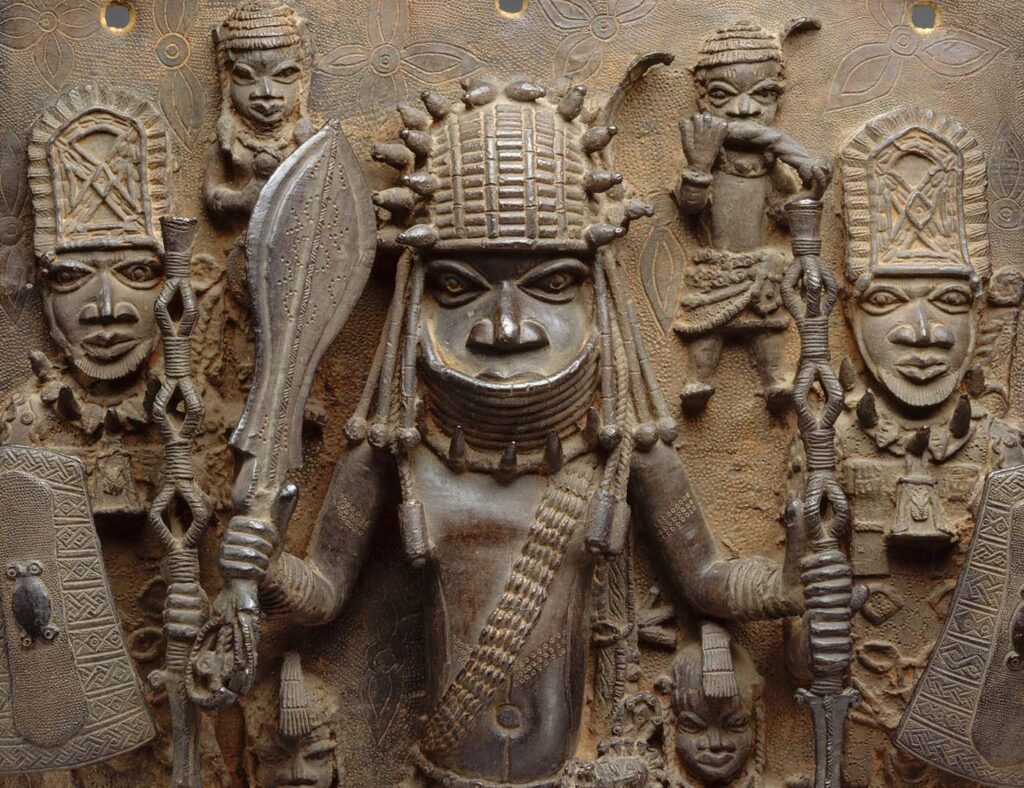
Benin, a country located in West Africa along the Gulf of Guinea, has a rich and fascinating history rooted in powerful ancient kingdoms, vibrant cultural traditions, and complex interactions with European powers. Formerly known as Dahomey, Benin’s historical journey reflects resilience, adaptation, and a deep cultural heritage that continues to shape the nation today.
Early Settlements and Ancient Kingdoms
Human settlement in the region that is now Benin dates back thousands of years. Early communities were organized around agriculture, fishing, and trade. By the first millennium AD, several ethnic groups, including the Fon, Yoruba, and Bariba, had established strong social and political systems.
One of the most influential early states was the Kingdom of Benin, located in what is now southern Nigeria, which had strong cultural and commercial links with present-day Benin. However, the most historically significant state within modern Benin’s borders was the Kingdom of Dahomey, founded in the early 17th century.
The Rise of the Kingdom of Dahomey
The Kingdom of Dahomey emerged as a powerful and centralized state with its capital at Abomey. It became renowned for its disciplined military, sophisticated political structure, and elaborate royal traditions. Dahomey’s rulers maintained strong control over their territory through a well-organized bureaucracy and a standing army.
One of the most unique aspects of Dahomey was its all-female military unit, often referred to as the “Amazons of Dahomey.” These elite warriors played a crucial role in defending the kingdom and became legendary for their bravery and discipline.
Trade, Slavery, and European Contact
From the 17th to the 19th centuries, Benin’s coastal region became deeply involved in the transatlantic slave trade. European traders from Portugal, France, and Britain established trading posts along the coast, exchanging firearms and goods for enslaved people captured during Dahomean military campaigns.
While the slave trade brought wealth and power to the Dahomey elite, it also caused immense human suffering and long-term social disruption. The coastal area became known as the “Slave Coast,” leaving a lasting impact on the region’s history and identity.
French Colonization
In the late 19th century, France expanded its colonial ambitions in West Africa. After a series of conflicts, Dahomey was defeated by French forces in 1894 and incorporated into French West Africa. The kingdom was dismantled, and traditional political structures were replaced with colonial administration.
Under French rule, Benin experienced significant economic and social changes. Infrastructure such as roads and ports was developed, but primarily to serve colonial interests. Indigenous culture and governance were often suppressed, though local traditions survived at the community level.
Independence and the Republic of Benin
Dahomey gained independence from France in 1960. The early years of independence were marked by political instability, with frequent changes in government and military coups. In 1975, the country adopted the name Republic of Benin, inspired by the historical Kingdom of Benin, symbolizing a broader national identity.
A Marxist-Leninist government ruled Benin for over a decade, implementing socialist policies and aligning with Eastern Bloc countries. Economic difficulties and public dissatisfaction eventually led to political reforms in the late 1980s.
Modern Benin
In 1990, Benin transitioned to a democratic system following a national conference, becoming one of Africa’s early examples of peaceful democratic reform. Today, Benin is known for its political stability, cultural diversity, and strong historical consciousness.
Benin’s history, from ancient kingdoms and colonial rule to modern democracy, illustrates the strength of a nation shaped by tradition and transformation. Understanding this past provides valuable insight into the cultural pride and resilience of the Beninese people.