Belize, located on the northeastern coast of Central America, has a unique history shaped by ancient civilizations, European colonization, and cultural diversity. As the only English-speaking country in Central America, Belize’s past sets it apart from its neighbors and reflects centuries of cultural blending and political change.
Ancient Maya Civilization
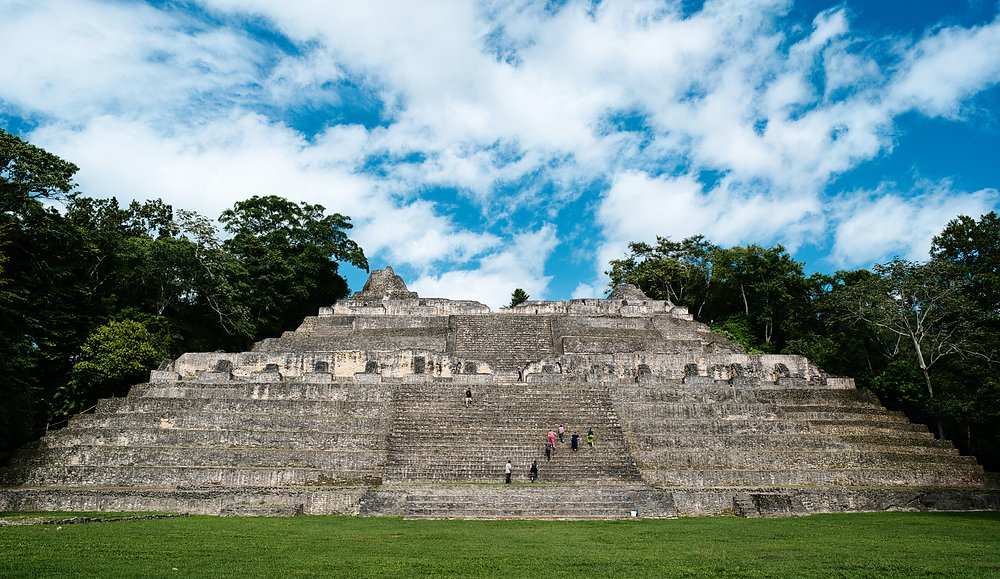
The earliest known inhabitants of Belize were the Maya, one of the most advanced civilizations in the ancient Americas. As early as 1500 BC, Maya communities flourished across the region, building impressive cities such as Caracol, Altun Ha, Lamanai, and Xunantunich.
The Maya developed advanced systems of writing, astronomy, mathematics, and architecture. Large ceremonial centers, pyramids, and intricate carvings demonstrate their sophisticated understanding of science and religion. Although many Maya cities were abandoned by the 10th century, Maya descendants continued to live in the region.
Spanish Exploration and Limited Control
Spanish explorers arrived in the area in the early 16th century, but Spain never fully controlled Belize. Dense forests, strong resistance from Maya communities, and limited resources discouraged large-scale settlement. Instead, the region remained sparsely populated and loosely governed.
Spain claimed Belize as part of its empire, but enforcement was weak. This lack of control opened the door for other European powers, particularly the British, to establish a presence.
British Settlement and the Logging Economy
By the 17th century, British settlers known as Baymen began operating in Belize, focusing on the extraction of logwood and later mahogany. These valuable hardwoods were exported to Europe and became the foundation of the colonial economy.
The British gradually expanded their influence, often clashing with Spanish forces. Treaties between Britain and Spain allowed British settlers to remain, although the territory officially remained under Spanish sovereignty for many years.
Becoming British Honduras
In 1862, Belize was formally declared a British colony under the name British Honduras. Colonial administration introduced new legal and political systems, while the economy remained heavily dependent on forestry.
Enslaved Africans and later indentured laborers played a major role in the logging industry. Over time, their descendants formed a significant part of Belize’s population, contributing to the country’s rich cultural diversity.
Path to Independence
The 20th century brought political awakening and calls for self-government. Belize gradually gained internal autonomy, and in 1973 the colony officially changed its name from British Honduras to Belize.
On September 21, 1981, Belize achieved full independence from the United Kingdom. However, independence came with challenges, including a territorial claim by neighboring Guatemala, which continued to influence regional politics for decades.
Modern Belize
Today, Belize is a democratic nation known for its multicultural society, including Maya, Creole, Garifuna, Mestizo, and other communities. Tourism, agriculture, and services have replaced logging as the main economic sectors.
Belize’s history, from ancient Maya civilization to British colonization and modern independence, reflects a story of survival, cultural fusion, and national pride. This diverse historical background continues to shape Belize’s identity in the modern world.