Ancient Thracian Roots
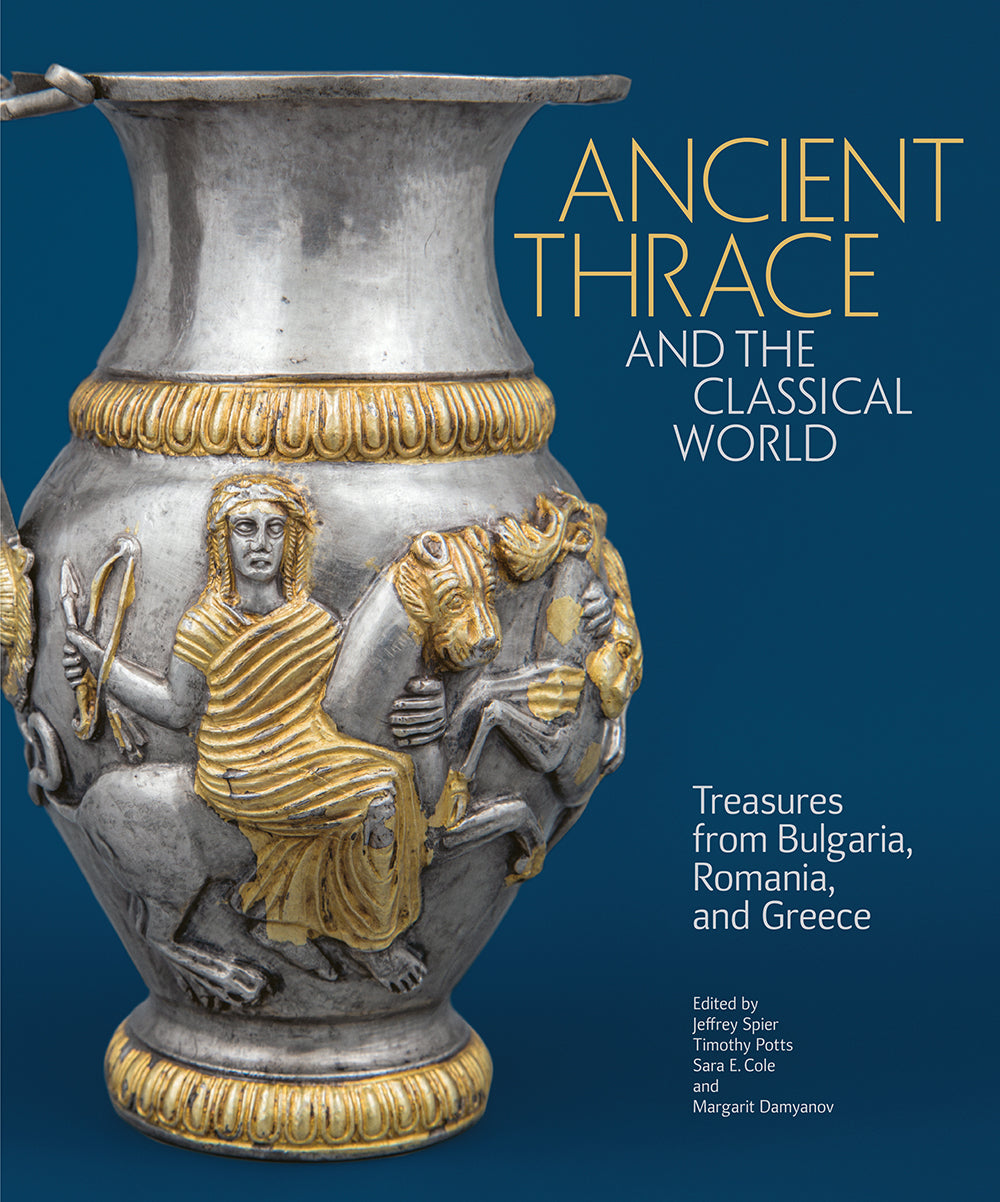
Bulgaria’s history begins with the Thracians, an ancient Indo European civilization known for metalwork and warrior culture. They inhabited the region long before Roman conquest.
Roman and Byzantine Rule
The Romans incorporated the area into their empire, building cities, roads, and fortresses. After Rome’s division, the region became part of the Byzantine Empire.
Formation of the Bulgarian State
In 681, the First Bulgarian Empire was established. Under rulers like Khan Asparuh and Tsar Simeon the Great, Bulgaria became a powerful political and cultural center.
Golden Age of Bulgarian Culture
The 9th and 10th centuries marked Bulgaria’s cultural peak. The Cyrillic alphabet was developed, spreading literacy across Eastern Europe.
Ottoman Conquest and Centuries of Rule
In the late 14th century, Bulgaria fell to the Ottoman Empire. Ottoman rule lasted nearly 500 years, shaping Bulgarian society, religion, and economy.
National Revival and Independence
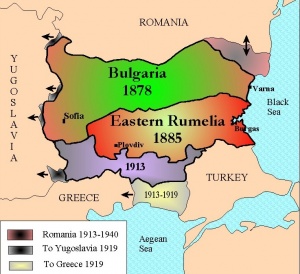
The 19th century brought a national awakening through education, literature, and resistance. Bulgaria gained independence in 1908.
World Wars and Communism
Bulgaria participated in both World Wars and later became a socialist state aligned with the Soviet Union after World War II.
Democratic Transition
In 1989, Bulgaria transitioned to democracy. It joined the European Union in 2007.
Bulgaria’s long history reflects resilience and cultural continuity across empires and eras.