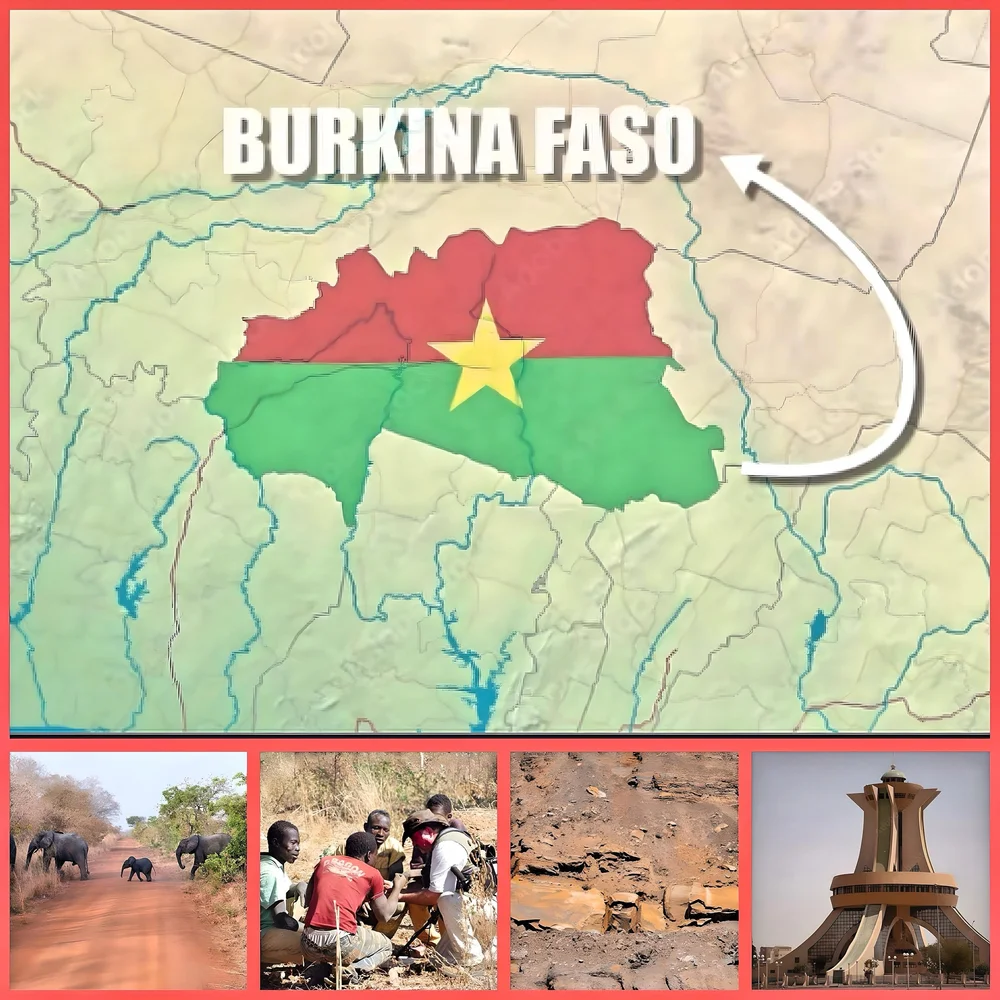
Burkina Faso was home to powerful kingdoms, especially the Mossi states, which dominated the region from the 11th century onward.
Social Structure and Traditions
Mossi society was organized around kingship, agriculture, and spiritual beliefs that shaped community life.
European Contact and Colonization
France colonized the region in the late 19th century, naming it Upper Volta. Colonial rule reorganized borders and labor systems.
Independence and Early Challenges
Burkina Faso gained independence in 1960. Political instability and military coups followed.
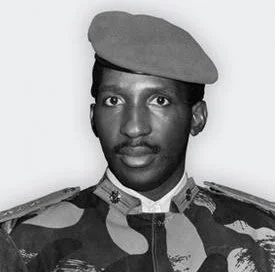
Thomas Sankara and Revolutionary Change
In 1983, Thomas Sankara led a revolution, renaming the country Burkina Faso, meaning Land of Upright People. He promoted self reliance, education, and women’s rights.
Post Sankara Era
After Sankara’s assassination in 1987, the country experienced authoritarian rule followed by gradual political reform.
Modern Burkina Faso
Today, Burkina Faso faces challenges including security issues and economic development, while maintaining strong cultural identity.
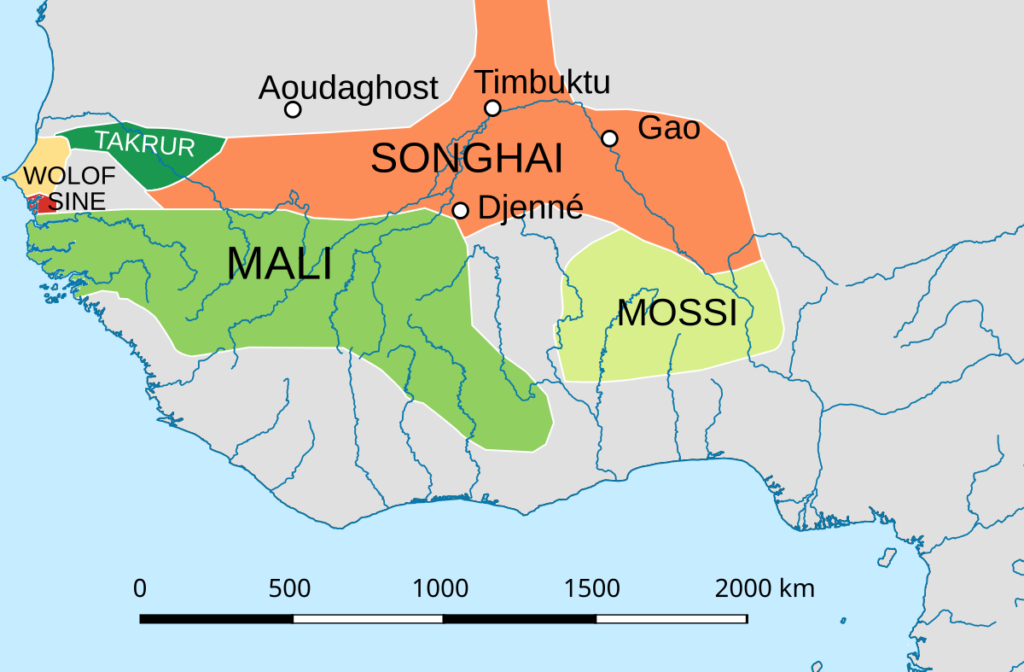
Burkina Faso’s history is one of resistance, reform, and resilience in the heart of West Africa.