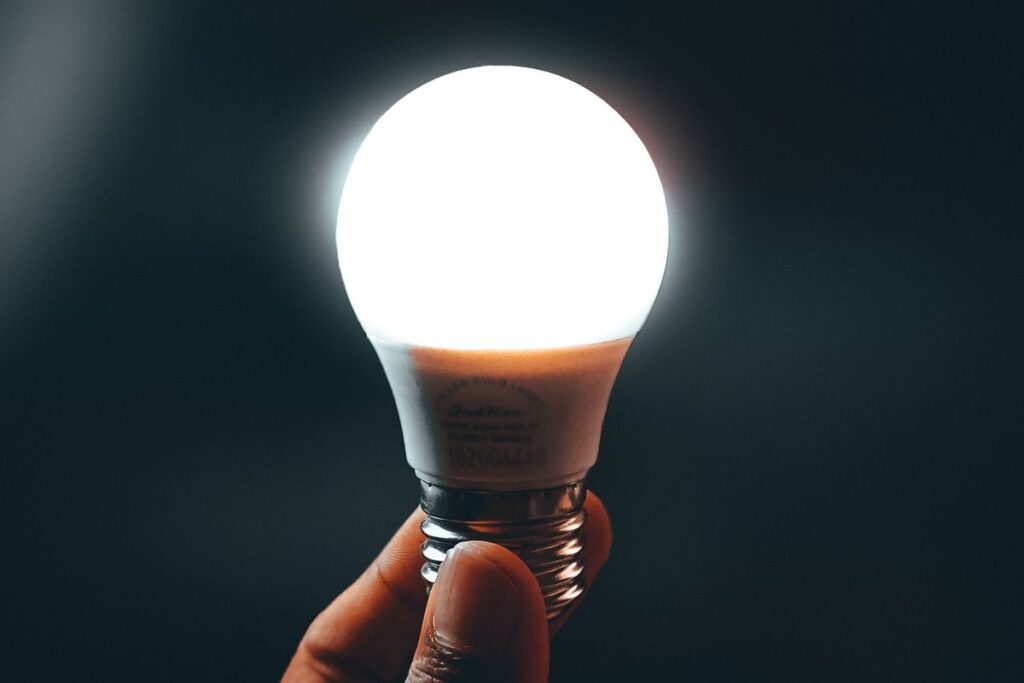
Light bulbs are an essential part of daily life, illuminating homes, offices, and public spaces. Despite their simple appearance, the manufacturing process behind light bulbs is highly sophisticated. Understanding how light bulbs are made reveals the precision and technology involved.
Types of Light Bulbs
There are several types of light bulbs, including incandescent, fluorescent, LED, and halogen. Among them, LED bulbs are the most popular due to their energy efficiency and long lifespan.
Raw Materials Used
Light bulb production requires materials such as glass, metal filaments, semiconductors, phosphor coatings, and electronic components. Each material plays a specific role in producing light safely and efficiently.
Glass Bulb Formation
The process begins with melting glass at extremely high temperatures. The molten glass is shaped into bulbs using molds or automated blowing machines. Once formed, the glass is cooled gradually to prevent cracking.
Filament and Electronic Component Assembly
For incandescent bulbs, a tungsten filament is installed inside the glass bulb. In LED bulbs, semiconductor chips are mounted on circuit boards. These components control electrical flow and light emission.
Gas Filling and Sealing
Some bulbs are filled with inert gases such as argon or nitrogen to improve efficiency and prevent oxidation. The bulb is then sealed tightly to protect internal components.
Testing and Quality Control
Each bulb undergoes rigorous testing to ensure brightness, durability, and safety. Faulty products are removed before packaging.
Packaging and Distribution
After passing quality checks, bulbs are packaged and shipped worldwide. Manufacturers design packaging to protect bulbs during transportation.
Environmental Considerations
Modern lighting focuses on sustainability. LED bulbs consume less energy and last longer, reducing waste and carbon emissions.
The light bulb manufacturing process combines material science and advanced engineering. As technology advances, lighting solutions continue to become smarter, safer, and more energy efficient.