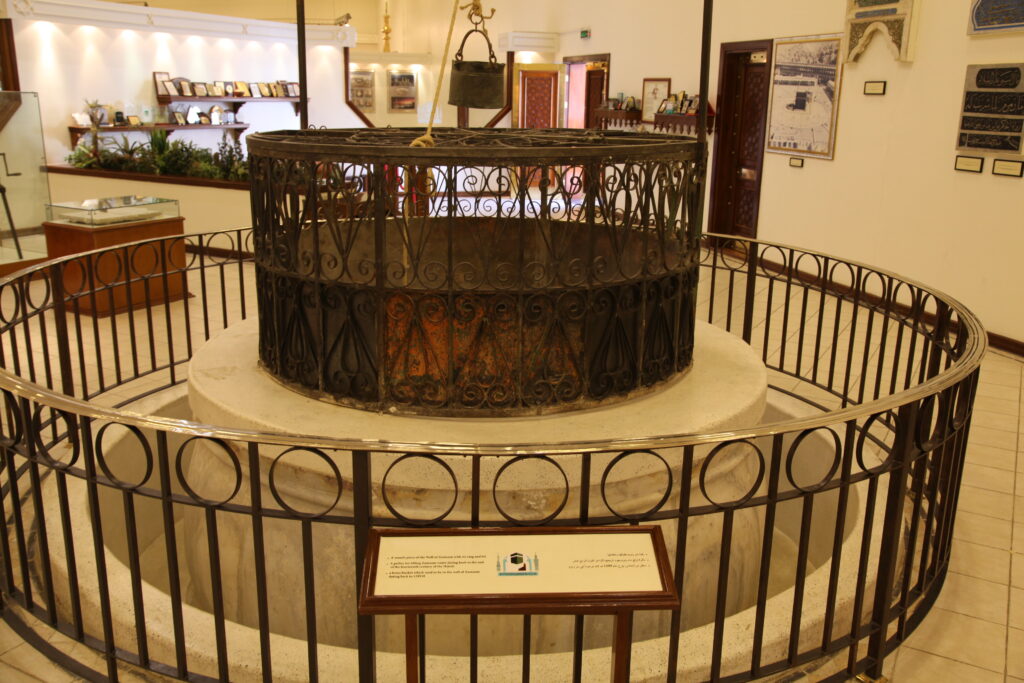
Zamzam water, sourced from the ancient Zamzam Well in Mecca, holds profound spiritual and historical importance in Islam. Revered as a divine gift, it symbolizes mercy, healing, and faith. This in-depth exploration covers the history of Zamzam Well, its Islamic significance, scientific facts, and role in Hajj and Umrah.
Origins and the Biblical-Islamic Narrative
The story of Zamzam dates back over 4,000 years to Prophet Ibrahim (Abraham), his wife Hajar (Hagar), and son Ismail (Ishmael). Commanded by Allah to leave them in the barren Mecca valley, Hajar searched desperately for water as Ismail cried from thirst. Running seven times between Safa and Marwa hills, she prayed for help. Angel Jibreel (Gabriel) struck the ground, and water gushed forth—Zamzam. Hajar contained it, saying “Zom Zom” (stop), naming the well.
Over centuries, the well was lost under sand until rediscovered in the 6th century by Abd al-Muttalib, Prophet Muhammad’s grandfather. It became a caravan stop, fostering Mecca’s growth.
Significance in Islamic Tradition and Hadith
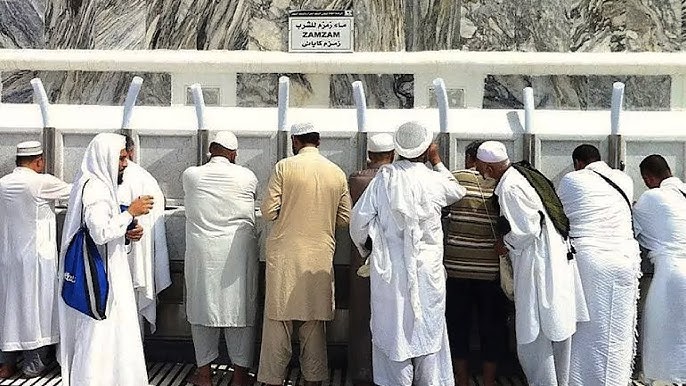
Zamzam is mentioned in Islamic texts as blessed. Prophet Muhammad (PBUH) called it “the best water on earth,” a food and healer. It’s used for ablution, drinking with intention for healing, and during rituals. Pilgrims perform Sa’i, emulating Hajar’s search, then drink Zamzam.
In Hajj and Umrah, it’s distributed freely, symbolizing divine provision. Muslims believe drinking it fulfills dua (prayers), cures ailments, and brings barakah (blessings). It’s exported worldwide, maintaining purity standards.
Scientific Facts and Health Benefits
The well, 30 meters deep and 1-2.66 meters wide, yields mineral-rich water with calcium, magnesium, and fluoride. Studies show it’s germ-free and hydrating, with potential healing properties. Never drying despite millions using it annually, it’s a “lasting miracle.”
Benefits include boosting immunity, aiding digestion, and spiritual purification. Modern facilities ensure safety.
Role in Modern Pilgrimage and Global Islam
Today, within Masjid al-Haram, Zamzam is pumped and cooled for pilgrims. It’s integral to tawaf and sa’i, reminding of Hajar’s faith. Muslims worldwide seek it for iftar or healing.
Zamzam’s story inspires unwavering trust in Allah, blending history, faith, and science.