Lightning is one of nature’s most awe-inspiring phenomena, striking Earth about 100 times per second. This detailed guide explains how lightning forms, strikes, and impacts us. In 2026, with climate change influencing weather patterns, understanding lightning is crucial for safety and science. From cloud formation to ground impact, we’ll uncover the electrifying details.
The Formation of Thunderstorms: The Birthplace of Lightning
Lightning occurs in cumulonimbus clouds during thunderstorms. Warm, moist air rises, cooling and condensing into clouds. Updrafts and downdrafts create turbulence, separating charges: positive at the top, negative at the bottom.
Ice particles collide, transferring electrons. Lighter positive particles rise, heavier negative ones fall, building an electric field.
The Science Behind Charge Separation
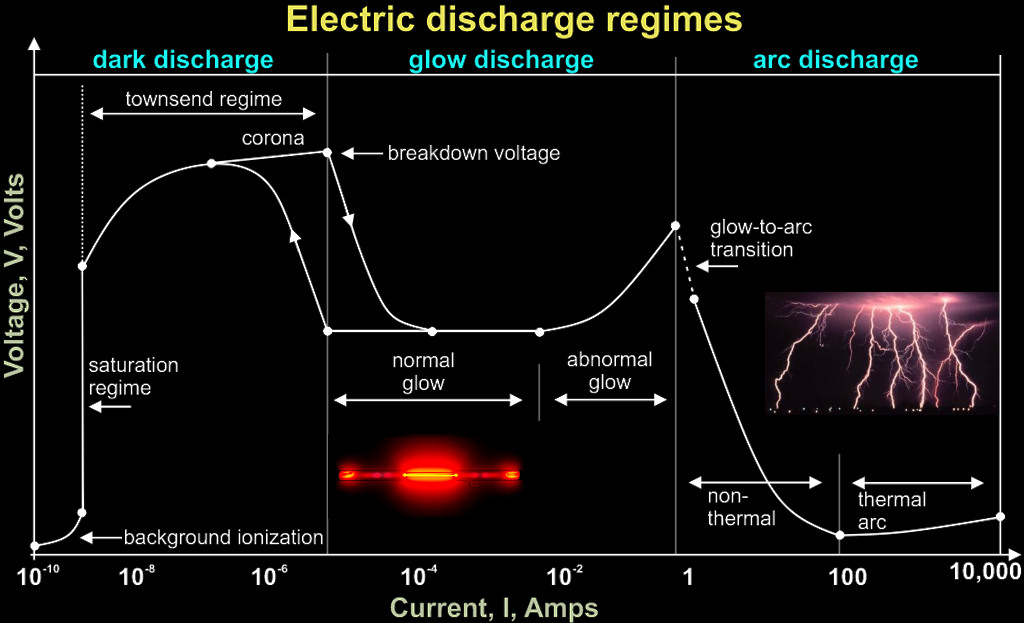
The triboelectric effect causes charge buildup. When the potential difference reaches 100 million volts, air ionizes, creating a plasma channel for lightning.
Types: Intra-cloud (most common), cloud-to-cloud, cloud-to-ground (dangerous), and rare forms like ball lightning.
The Step-by-Step Process of a Lightning Strike
- Stepped Leader: A faint, branched channel of ionized air descends from the cloud at 200,000 mph, carrying negative charge.
- Upward Streamers: Positive charges from ground objects (trees, buildings) rise to meet the leader.
- Return Stroke: When they connect, a massive current (30,000 amps) surges upward, creating the bright flash. This heats air to 50,000°F, causing thunder.
- Dart Leaders and Subsequent Strokes: Multiple strokes follow the same path, making lightning flicker.
The entire event lasts milliseconds, but can span miles.
Factors Influencing Where Lightning Strikes
Tall objects are more likely hit due to shorter paths. However, lightning can strike flat ground. Soil conductivity and geography play roles Florida sees the most U.S. strikes.
The Dangers and Myths of Lightning
Lightning kills about 20 people yearly in the U.S., causing fires and power outages. Myths: Rubber soles protect (false); it never strikes twice (it does). Safety: Seek shelter indoors, avoid water and metal.
Lightning’s Role in the Environment
It fixes nitrogen into soil, aiding plant growth. It also produces ozone, though minimally.
Technological Advances in Lightning Detection
Satellites and ground sensors track strikes in real-time. Apps warn users. Research into lightning rods evolves with nanomaterials.
Climate Change and Lightning Frequency
Warmer atmospheres hold more moisture, potentially increasing strikes by 12% per degree Celsius rise.
Famous Lightning Events and Research
The Catatumbo lightning in Venezuela strikes 280 times hourly. Scientists study it for energy harvesting ideas.
Lightning’s power reminds us of nature’s force. By understanding it, we can better protect ourselves and harness its insights.