Soccer, or football, captivates billions worldwide, but few ponder how the iconic ball is made. This in-depth exploration covers the manufacturing process of soccer balls, from materials to quality testing. In 2026, with sustainable practices on the rise, production blends tradition with innovation. Whether you’re a player, fan, or curious mind, understanding ball creation enhances appreciation for the game.
History and Evolution of Soccer Balls
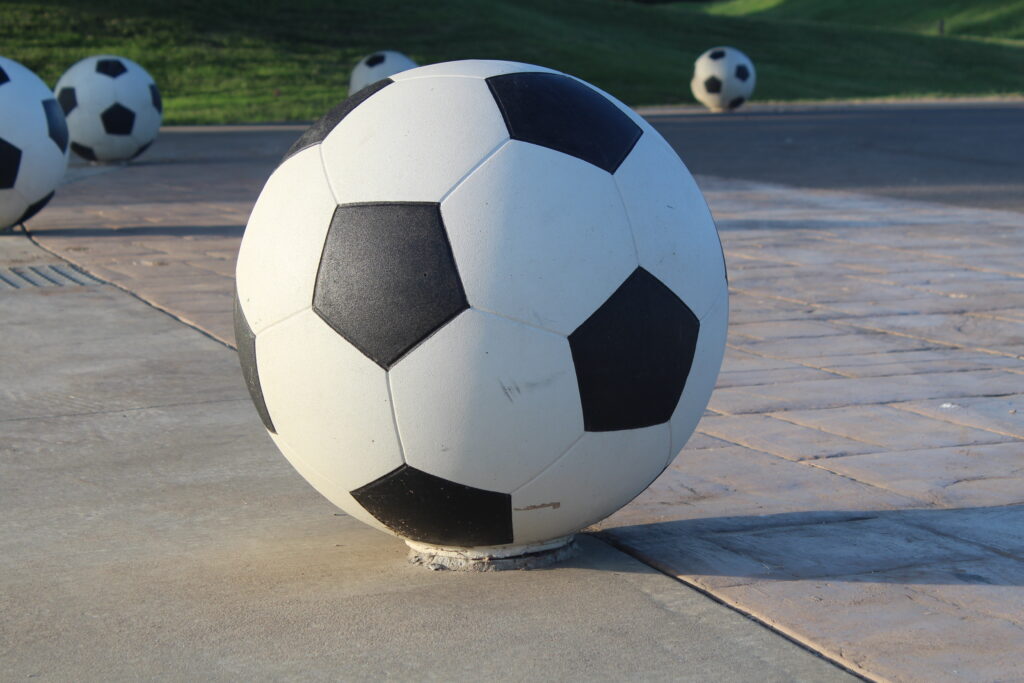
Soccer balls date back to ancient times, using animal bladders. The modern design emerged in the 19th century with rubber. FIFA standardized the 32-panel truncated icosahedron in 1970. Today, balls feature advanced aerodynamics and materials for better performance.
Key Materials Used in Soccer Ball Production
- Outer Cover: Polyurethane (PU) or polyvinyl chloride (PVC) for durability and water resistance. Premium balls use thermal-bonded PU.
- Lining: Multiple layers of polyester or cotton for shape retention.
- Bladder: Latex or butyl rubber to hold air. Butyl offers better air retention.
- Stitching or Bonding: Hand-stitched for high-end, machine-stitched or seamless thermal bonding for mass production.
Eco-friendly options now include recycled plastics and bio-based materials.
Step-by-Step Manufacturing Process
- Material Preparation: Raw materials are inspected. PU sheets are cut into hexagonal and pentagonal panels.
- Panel Printing and Cutting: Designs are printed using silk-screen or digital methods. Laser cutting ensures precision.
- Lining Attachment: Fabric layers are laminated to panels for strength.
- Stitching or Bonding: Panels are assembled. Hand-stitching involves 1,000+ stitches per ball, taking hours. Thermal bonding uses heat to fuse panels seamlessly.
- Bladder Insertion: The inflated bladder is placed inside, and the ball is closed.
- Molding and Shaping: Heat molds ensure spherical shape.
- Quality Control: Balls are tested for weight (410-450g), circumference (68-70cm), rebound, and air retention. FIFA-approved balls undergo rigorous checks.
Automation in factories like those in Pakistan (producing 80% of world supply) speeds production, but skilled labor remains vital.
Challenges in Soccer Ball Manufacturing
Labor issues, like child labor scandals in the past, have led to ethical certifications. Environmental concerns push for sustainable sourcing. Counterfeiting affects brands like Adidas and Nike.
Innovations in Modern Soccer Balls
2026 sees smart balls with embedded sensors for tracking speed and spin. Aerodynamic designs reduce drag. World Cup balls, like the 2026 edition, incorporate AI-optimized patterns.
Global Production Hubs and Economy
Pakistan’s Sialkot is the epicenter, employing thousands. China and India also produce. The industry generates billions, with premium balls costing $150+.
Sustainability Efforts
Brands recycle old balls and use water-based inks. FIFA promotes fair trade.
How to Choose the Right Soccer Ball
Consider size (3-5), material, and purpose (match, training). Official stamps ensure quality.
The journey from factory to field showcases human ingenuity. Next time you kick a ball, remember the craftsmanship behind it.