Stars may seem eternal, but they are born, live, and eventually die. The life cycle of a star depends mainly on its mass, determining how long it lives and how it ends.
Stellar Birth: Nebula to Main Sequence
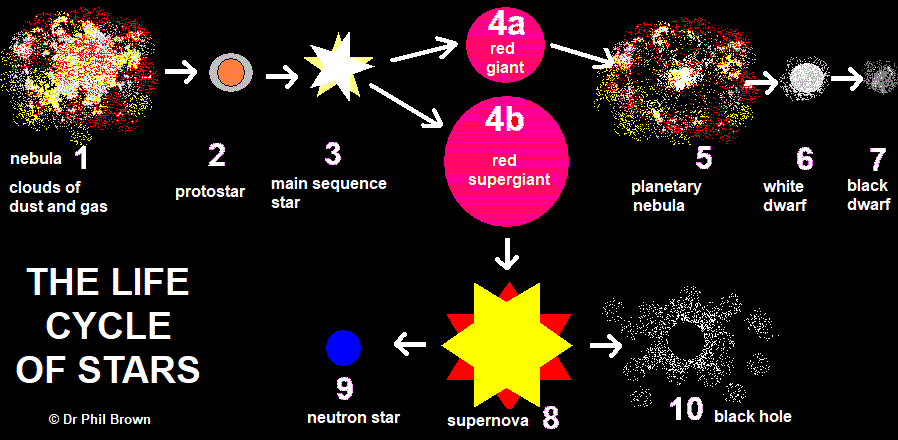
Stars begin in nebulae, forming protostars that eventually ignite fusion and enter the main sequence phase.
Main Sequence: The Longest Stage
Most stars spend about 90 percent of their lives in the main sequence stage, steadily fusing hydrogen into helium.
Aging Stars: Running Out of Fuel
When hydrogen runs out, the star begins to change:
- Medium stars become red giants
- Massive stars become supergiants
Stellar Death for Small and Medium Stars
Smaller stars shed their outer layers, creating planetary nebulae, leaving behind white dwarfs that slowly cool.
Death of Massive Stars: Supernova Explosions
Massive stars die violently in supernova explosions, releasing enormous energy and spreading heavy elements across space.
Neutron Stars and Black Holes
After a supernova:
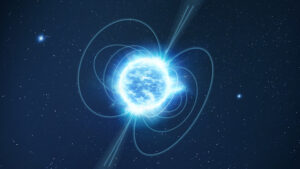
- Some stars become neutron stars
- Others collapse into black holes
Why Stellar Death Is Important
Stellar death creates elements like iron and gold, essential for planets and life.
The life cycle of a star is a story of creation and destruction. From glowing birth to dramatic death, stars shape the universe and make life possible.