Stars Are Not All the Same
Although stars may look similar from Earth, they come in a wide range of sizes. Some are smaller than the Sun, while others are so large they could engulf entire solar systems. Understanding star types based on size helps astronomers explain stellar behavior and evolution.
Stellar Classification by Size
Stars are commonly grouped into categories based on their physical size and mass:
- Dwarf stars
- Giant stars
- Supergiant stars
Each type has unique characteristics and life cycles.
Dwarf Stars: The Most Common Stars
Dwarf stars make up the majority of stars in the universe.
Red Dwarfs
Red dwarfs are small, cool, and dim. They burn fuel very slowly, allowing them to live for trillions of years. Despite their size, they are crucial in the search for habitable exoplanets.
Yellow Dwarfs
The Sun is a yellow dwarf. These stars are medium-sized and stable, making them ideal hosts for planetary systems.
White Dwarfs
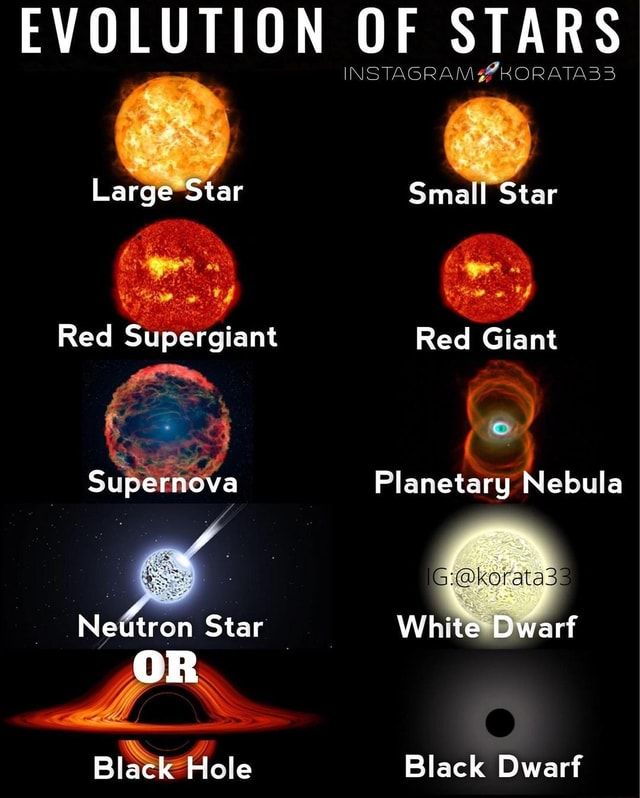
White dwarfs are the remnants of stars that have exhausted their fuel. They are incredibly dense, packing the mass of the Sun into a planet-sized object.
Giant Stars: Expanding Titans
When medium-sized stars run out of hydrogen, they expand into giant stars.
Red Giants
Red giants have cooler surfaces but enormous sizes. Our Sun will become a red giant in the distant future.
Supergiant Stars: The Largest Stars
Supergiants are the largest stars known.
Red Supergiants
Stars like Betelgeuse are red supergiants, with diameters hundreds of times larger than the Sun.
Blue Supergiants
Blue supergiants are extremely hot and luminous, burning fuel rapidly and living short lives.
Why Size Matters
A star’s size determines:
- Its lifespan
- Its brightness
- How it will eventually die
From tiny red dwarfs to massive supergiants, star sizes define the diversity of the universe. Each type plays a role in cosmic evolution and element formation.