Eswatini is a small kingdom in southern Africa known for preserving royal authority and traditional customs. Formerly Swaziland, its history reflects migration, consolidation of power, colonial compromise, and ongoing struggles between monarchy and democracy.
Early Migration and Settlement
Bantu speaking peoples migrated into the region between the fifteenth and sixteenth centuries. These settlers formed agricultural communities organized around kinship and cattle ownership.
Formation of the Swazi Kingdom
Under Ngwane III and Sobhuza I, scattered clans united into a centralized kingdom. Military strategy and relocation to fertile valleys strengthened Swazi dominance in the region.
Encounters with Europeans
During the nineteenth century, Boer settlers and British officials sought land and mineral concessions. Although treaties attempted to preserve independence, Swazi sovereignty gradually eroded.
British Protectorate Era
In 1903, Swaziland became a British High Commission Territory. Colonial authorities controlled external affairs while traditional leaders governed internal matters.
Road to Independence
Nationalist movements emerged after World War II. Swaziland achieved independence in 1968 under King Sobhuza II, who later abolished the constitution and consolidated royal power.
King Mswati III and Absolute Rule
Since 1986, King Mswati III has ruled with near total authority. Political parties are banned, and governance centers on royal institutions.
Cultural Identity
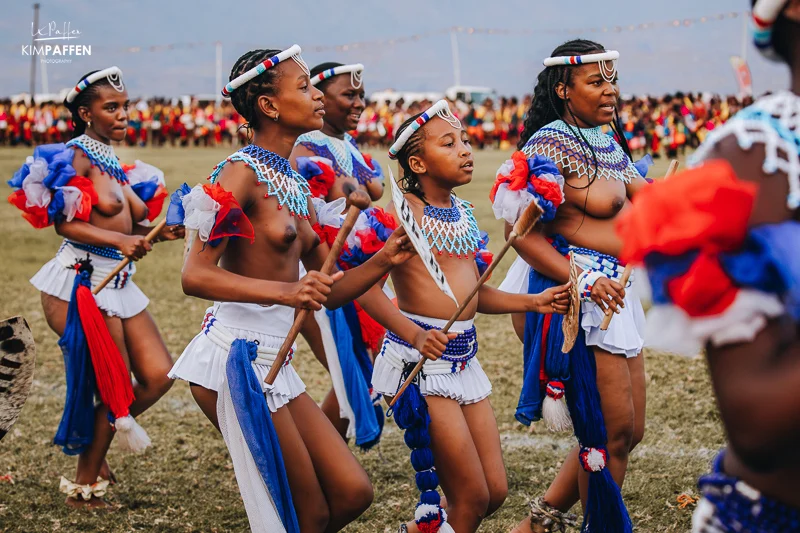
Traditional ceremonies such as the Reed Dance and Incwala Festival reinforce loyalty to the monarchy and preserve Swazi heritage.
Economic and Social Struggles
Eswatini faces widespread poverty, high unemployment, and severe health challenges. Dependence on agriculture and South African markets limits economic growth.
Modern Protests and Political Tensions
Recent demonstrations reflect growing frustration among youth demanding democratic reforms and improved living conditions.
Eswatini remains deeply rooted in royal tradition while confronting increasing pressure for political change.