Ethiopia stands as one of the world’s oldest civilizations. Known historically as Abyssinia, Ethiopia preserved sovereignty during the colonial era and developed a rich cultural legacy shaped by ancient empires, Christianity, and imperial rule.
Early Civilizations and Aksum
The Aksumite Empire emerged around the first century CE, becoming a major trading power linking Africa with Arabia and Asia. Christianity became the state religion in the fourth century, making Ethiopia one of the earliest Christian nations.
Medieval Dynasties
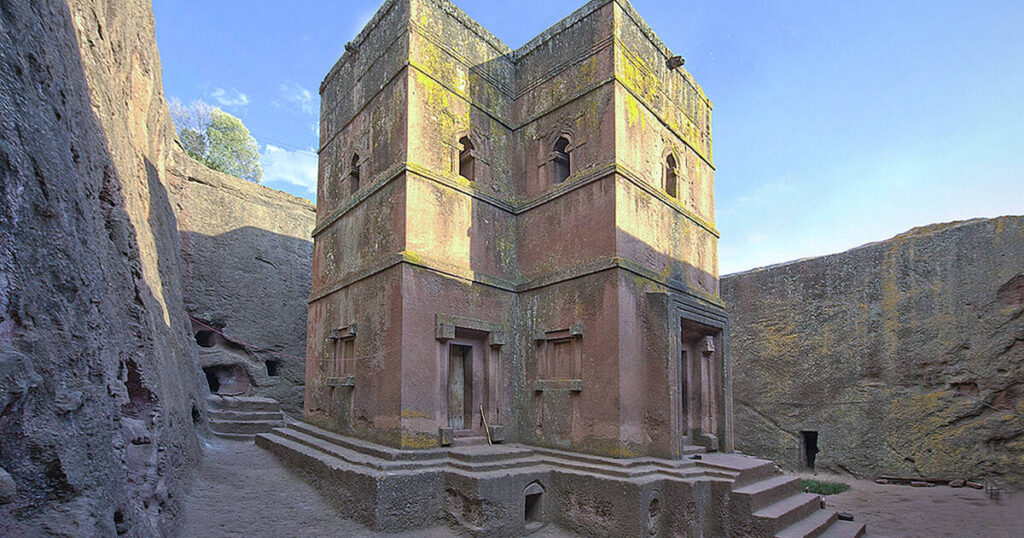
The Zagwe dynasty constructed rock hewn churches at Lalibela. Later, Solomonic emperors expanded territory and reinforced centralized authority through religious legitimacy.
Resistance to European Colonization
In 1896, Emperor Menelik II defeated Italy at the Battle of Adwa, preserving Ethiopian independence and inspiring anti colonial movements across Africa.
Haile Selassie and Modernization
Haile Selassie promoted education and international diplomacy. However, inequality and famine weakened public support.
The Derg and Socialist Rule
A military junta seized power in 1974, executing opponents and implementing socialist reforms. Civil war and famine devastated the population.
Federal Ethiopia After 1991
The fall of the Derg led to ethnic federalism. Infrastructure expanded, but political tensions intensified.
Ethiopia in the 21st Century
Despite economic growth, Ethiopia faces internal conflicts and humanitarian challenges while striving for national unity.