Estonia is a small Baltic nation whose history reflects centuries of conquest, resistance, and renewal. Located between Scandinavia and Eastern Europe, Estonia has been shaped by powerful neighbors while preserving its unique language and culture. From prehistoric settlers to modern digital innovation, Estonia’s journey is one of survival and reinvention.
Early Settlement and Tribal Society
Human habitation in Estonia began around 9000 BCE following the retreat of Ice Age glaciers. Early communities relied on fishing, hunting, and small scale farming. Over time, Finno Ugric tribes formed organized societies with distinct customs and spiritual beliefs tied closely to nature.
These early Estonians built hill forts and trading networks, establishing connections with neighboring Baltic and Nordic peoples.
Medieval Conquest and Foreign Rule
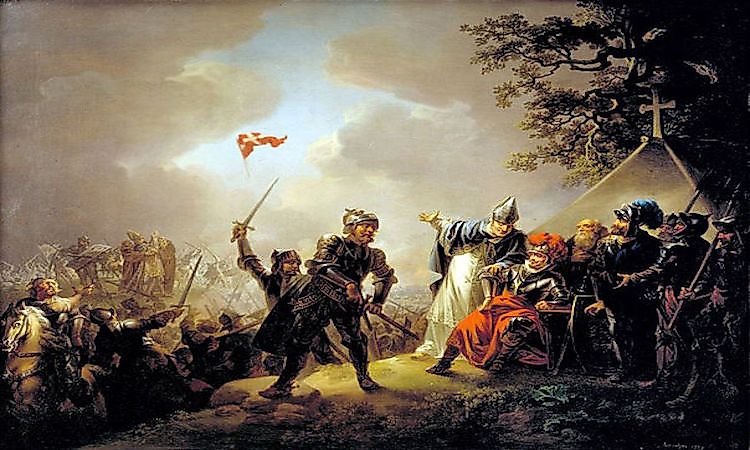
In the thirteenth century, German crusaders and Danish kings invaded Estonia during the Northern Crusades. Indigenous rule was replaced by feudal systems dominated by Baltic German elites. Christianity was imposed, and Estonian peasants became subjects under foreign landlords.
Cities such as Tallinn emerged as important trading hubs within the Hanseatic League, linking Estonia to wider European commerce.
Swedish and Russian Periods
By the sixteenth century, Sweden controlled Estonia, introducing educational reforms and legal changes. However, in 1721 Estonia became part of the Russian Empire following the Great Northern War.
Serfdom persisted until the nineteenth century, limiting social mobility for native Estonians while German nobility retained power.
National Awakening in the 19th Century
The nineteenth century marked a cultural revival. Estonian intellectuals promoted language preservation, literature, and national identity. Song festivals became powerful expressions of unity, laying the foundation for political consciousness.
First Independence and Nation Building
After World War I, Estonia declared independence in 1918. The Estonian War of Independence secured sovereignty in 1920. During the interwar years, Estonia developed democratic institutions, expanded education, and strengthened its economy.
World War II and Soviet Occupation
Estonia’s independence was shattered in 1940 when the Soviet Union annexed the country. Nazi Germany occupied Estonia during World War II, followed by renewed Soviet control. Deportations, censorship, and forced collectivization deeply scarred society.
The Singing Revolution
In the late 1980s, peaceful demonstrations and mass singing events united citizens in opposition to Soviet rule. This movement led to the restoration of independence in 1991.
Modern Estonia
Since independence, Estonia has embraced digital governance, transparency, and innovation. Joining NATO and the European Union in 2004, Estonia became a leader in e government and cybersecurity.
Estonia transformed centuries of hardship into opportunity, emerging as a modern European democracy built on cultural resilience.