Honduras, with its Caribbean coasts, Mayan ruins, and rugged mountains, has a history shaped by ancient civilizations, colonial exploitation, and turbulent independence. Known for biodiversity and resilience, its past reflects Central America’s complexities.
Pre-Columbian Civilizations: Maya Heartland
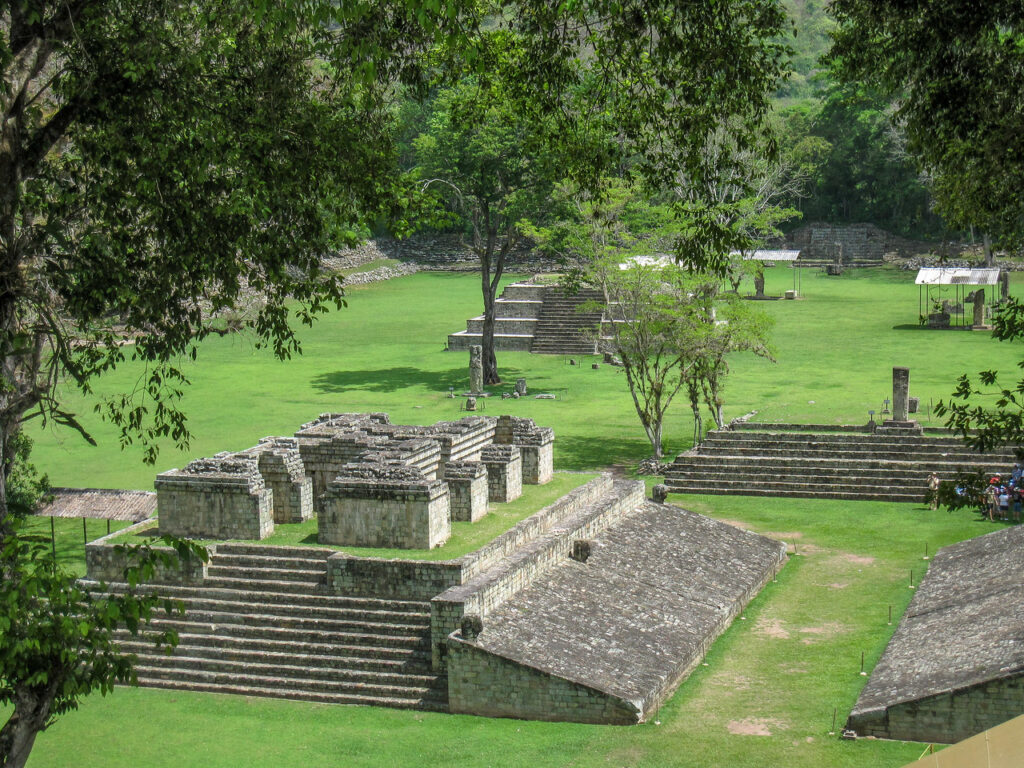
Honduras hosted advanced societies, including the Maya at Copán (peak 426–822 CE), renowned for hieroglyphs, stelae, and architecture. Other groups like Lenca and Pech thrived inland.
Christopher Columbus landed in 1502, naming it “Honduras” for deep waters.
Spanish Conquest and Colonial Period
Conquest began in 1525 under Cristóbal de Olid, completed by 1539 amid resistance. Honduras became part of the Captaincy General of Guatemala, with gold mining and agriculture.
British buccaneers controlled the Mosquito Coast until 1860.
Independence and 19th-Century Instability
Independence from Spain came in 1821, joining Mexico then the Central American Federation (1823–1838). Full independence in 1838 brought caudillo rule and Liberal-Conservative conflicts.
Foreign influence grew with banana companies like United Fruit dominating the economy.
20th-Century Dictatorships and Banana Republic Era
Dictators like Tiburcio Carías Andino (1933–1949) ruled amid U.S. economic control. The 1954 banana workers’ strike marked labor awakening.
Military coups dominated 1963–1981, including the 1969 Soccer War with El Salvador.
Modern Honduras: Democracy and Challenges
Civilian rule returned in 1982, but corruption, gangs, and inequality persist. The 2009 coup ousted Manuel Zelaya. Hurricanes like Mitch (1998) and Eta/Iota (2020) devastated the nation.
Xiomara Castro’s 2022 presidency signals progressive change.
Honduras’ history from Copán’s splendor to modern struggles highlights endurance amid adversity.