Indonesia, the world’s largest archipelago with over 17,000 islands, has a history of ancient kingdoms, spice trade, colonial rule, and revolutionary independence. Its multicultural fabric blends Hindu-Buddhist, Islamic, and modern influences.
Prehistoric and Early Kingdoms
Homo erectus (“Java Man”) inhabited Java 1.8 million years ago. Austronesian migrations (2000 BCE) brought rice farming. Hindu-Buddhist kingdoms like Srivijaya (7th–13th centuries) and Majapahit (13th–16th centuries) dominated trade and culture. Borobudur, the world’s largest Buddhist temple, exemplifies this era.
Islamic Sultanates and European Arrival
Islam spread via traders from the 13th century, establishing sultanates like Demak and Malacca. Portuguese captured Malacca (1511), followed by Dutch VOC (1602), controlling spice trade.
Dutch East Indies and Nationalism
Dutch rule solidified in the 19th century, exploiting resources. The Ethical Policy (1901) brought limited reforms. Nationalism grew with Budi Utomo (1908) and Sarekat Islam. Sukarno founded the Indonesian National Party (1927).
Japanese Occupation and Independence
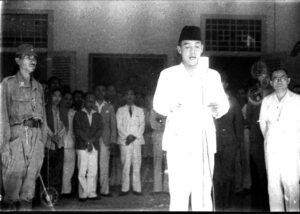
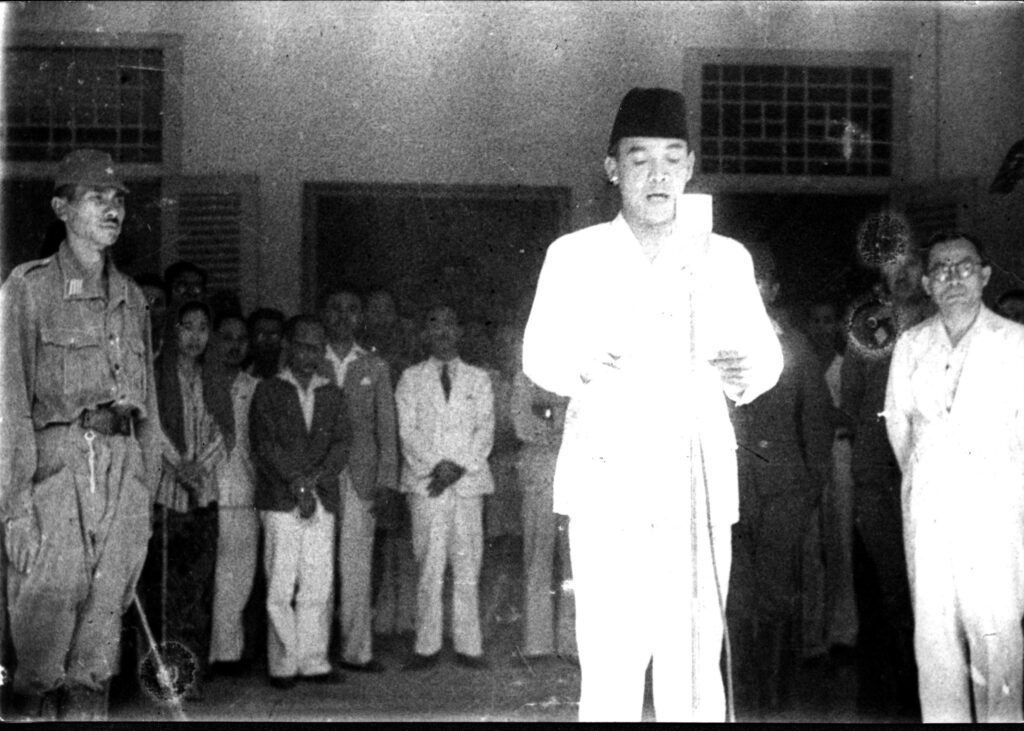
Japan occupied (1942–1945), fueling anti-colonial sentiment. Sukarno and Hatta proclaimed independence on August 17, 1945.
Revolution and Sukarno Era
Dutch “police actions” failed; independence was recognized in 1949. Sukarno’s Guided Democracy (1959) nationalized industries but led to instability. The 1965 coup attempt triggered anti-communist violence and Suharto’s rise.
New Order and Reformasi
Suharto’s regime (1967–1998) brought growth but corruption. The 1997 Asian crisis sparked protests; Suharto resigned in 1998. Democratization followed with direct elections (2004).
Contemporary Indonesia Challenges and Progress
Indonesia navigates decentralization, religious pluralism, and economic growth as the world’s largest Muslim-majority democracy. Natural disasters and climate change pose ongoing threats.