India, a subcontinent of unparalleled diversity, has birthed ancient civilizations, world religions, empires, and modern democracy. From Indus Valley urban planning to independence struggles, its history spans millennia of innovation, conquest, and cultural synthesis.
Ancient Civilizations: Indus Valley to Vedic Age
The Indus Valley Civilization (3300–1300 BCE) featured advanced cities like Harappa and Mohenjo-Daro with drainage and trade. Its decline around 1900 BCE gave way to Vedic Aryans (1500–500 BCE), whose Sanskrit texts laid Hinduism’s foundations.
Classical Empires: Maurya and Gupta Golden Ages
Chandragupta Maurya founded the Maurya Empire (322–185 BCE), unified under Ashoka, who promoted Buddhism after Kalinga. The Gupta Empire (320–550 CE) marked a golden age of science, art, and literature, with advances in mathematics (zero, decimal system) and astronomy.
Medieval India: Delhi Sultanate and Mughal Glory
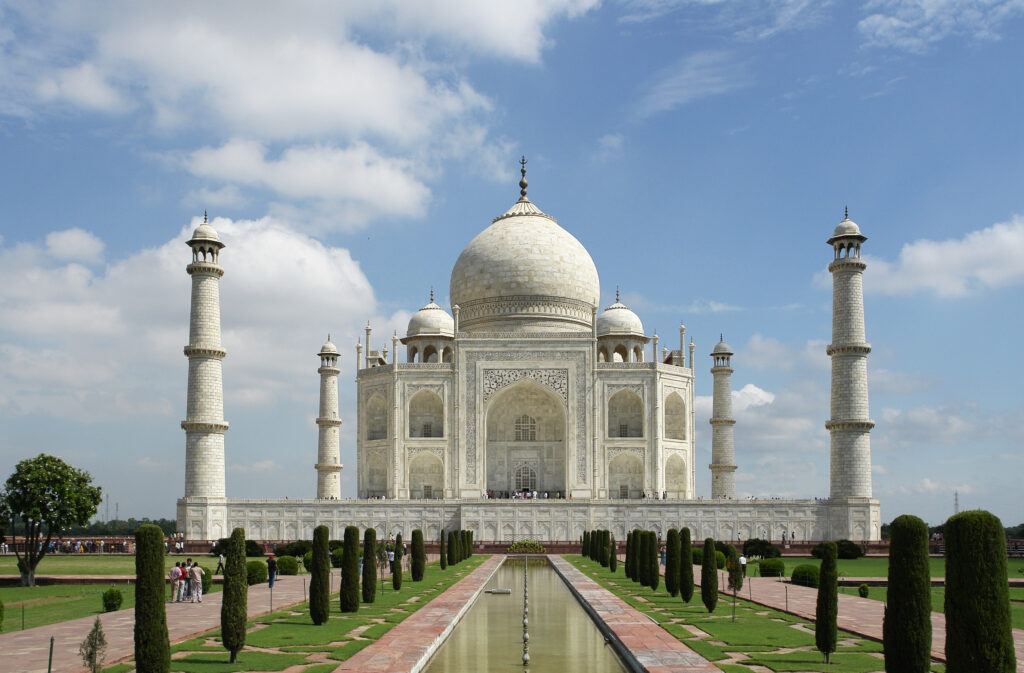
Islamic invasions led to the Delhi Sultanate (1206–1526). The Mughal Empire (1526–1857), founded by Babur, peaked under Akbar, blending Persian and Indian cultures. Taj Mahal symbolizes Shah Jahan’s era.
Colonial Era: British Raj and Nationalism
European powers arrived in the 15th century; Britain dominated by 1858 after the 1857 Revolt. The Indian National Congress (1885) and Muslim League emerged. Mahatma Gandhi’s non-violence, Salt March, and Quit India Movement galvanized freedom.
Independence and Modern India
Partition in 1947 created India and Pakistan amid violence. Jawaharlal Nehru led the republic (1950). Economic liberalization (1991) spurred growth; today, India is a nuclear power and IT hub facing inequality and regional tensions.
India’s history from ancient wisdom to democratic giant continues to inspire globally.