Iceland, a volcanic island in the North Atlantic, boasts one of Europe’s shortest yet most dramatic histories. From Viking settlement to modern geothermal innovation, its story is defined by harsh nature, democratic traditions, and resilient people.
Geological Birth and Early Discovery Iceland
Formed 70 million years ago by volcanic activity along the Mid-Atlantic Ridge, Iceland emerged from the sea. Irish monks (papar) may have visited in the 8th century, but permanent settlement began with Norse Vikings around 874 CE. Ingólfur Arnarson founded Reykjavík, seeking freedom from Norwegian king Harald Fairhair.
The Commonwealth and Althing
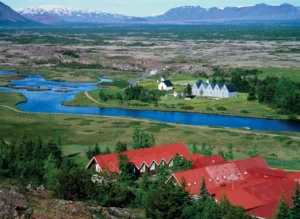
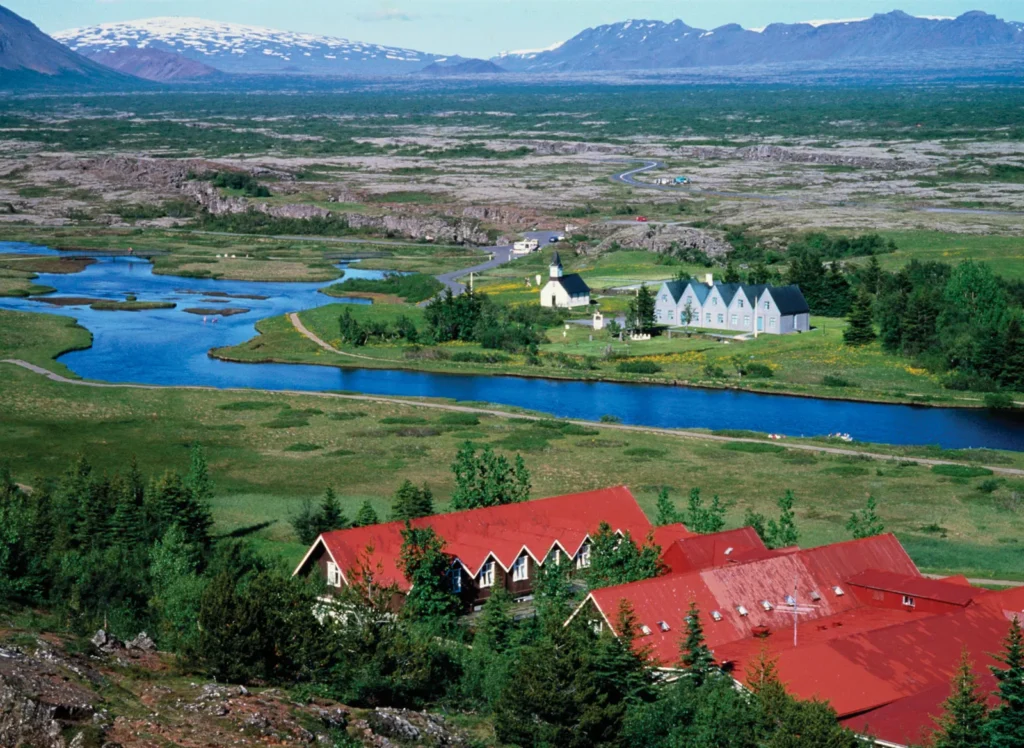
By 930 CE, settlers established the Althing at Thingvellir the world’s oldest parliament—where chieftains met annually to legislate and resolve disputes. This era produced the Icelandic Sagas, epic tales of exploration and feuds preserved in medieval manuscripts.
Christianity was adopted peacefully in 1000 CE to avoid civil war. Internal strife in the Sturlung Age (13th century) weakened independence, leading to Norwegian rule in 1262–1264.
Danish Rule and Hardships
Denmark assumed control in 1380 via the Kalmar Union. Iceland became a Danish dependency, suffering isolation, volcanic eruptions (like Laki 1783–1784, causing famine), and trade monopolies. The 19th century brought romantic nationalism and demands for autonomy.
Path to Sovereignty
The Althing was restored in 1844. Iceland gained home rule in 1904 and became a sovereign kingdom in personal union with Denmark in 1918. Full independence came on June 17, 1944, during WWII, when Denmark was occupied.
Modern Iceland: Boom, Bust, and Recovery
Post-war, Iceland joined NATO (1949) and prospered from fishing. The 2008 financial crisis hit hard, but recovery followed. Today, renewable energy, tourism, and tech drive the economy, with Reykjavík as a cultural hub.
Iceland’s history from Viking democracy to green innovation embodies adaptation in a dynamic landscape.