The Hidden History of North Korea From Division to the Kim Dynasty in 2026
North Korea remains one of the world’s most secretive and isolated nations. Its history of North Korea is a story of division, ideology, survival, and defiance. From the shared ancient Korean heritage to the current Kim Jong-un era, this complete guide reveals how the Democratic People’s Republic of Korea (DPRK) evolved into the nuclear-armed state it is today.
Shared Ancient Heritage and the 1945 Division
For centuries, the Korean Peninsula was unified under kingdoms like Gojoseon, the Three Kingdoms, Goryeo, and Joseon. Japanese colonial rule (1910–1945) ended with World War II. In August 1945, the U.S. and Soviet Union divided Korea along the 38th parallel for temporary administration a line that became permanent.
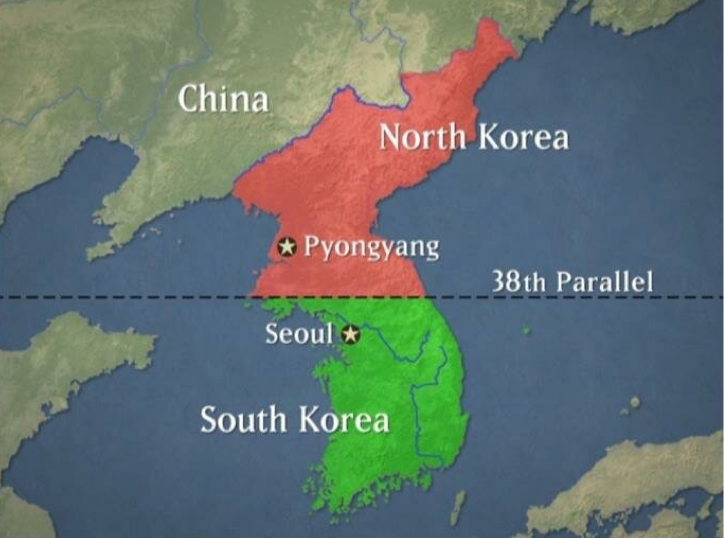
Why Did Korea Split? – by Tomas Pueyo
Founding the DPRK and the Kim Il-sung Era (1948–1994)
Kim Il-sung, a former anti-Japanese guerrilla trained in the Soviet Union, returned in 1945. On 9 September 1948, the Democratic People’s Republic of Korea was established with Kim as leader. Soviet-style reforms land redistribution, nationalization, and equality laws transformed northern society.
The cult of personality began early, with Juche (self-reliance) ideology replacing Marxism-Leninism. Kim consolidated power by purging rival factions and building a massive Korean People’s Army.
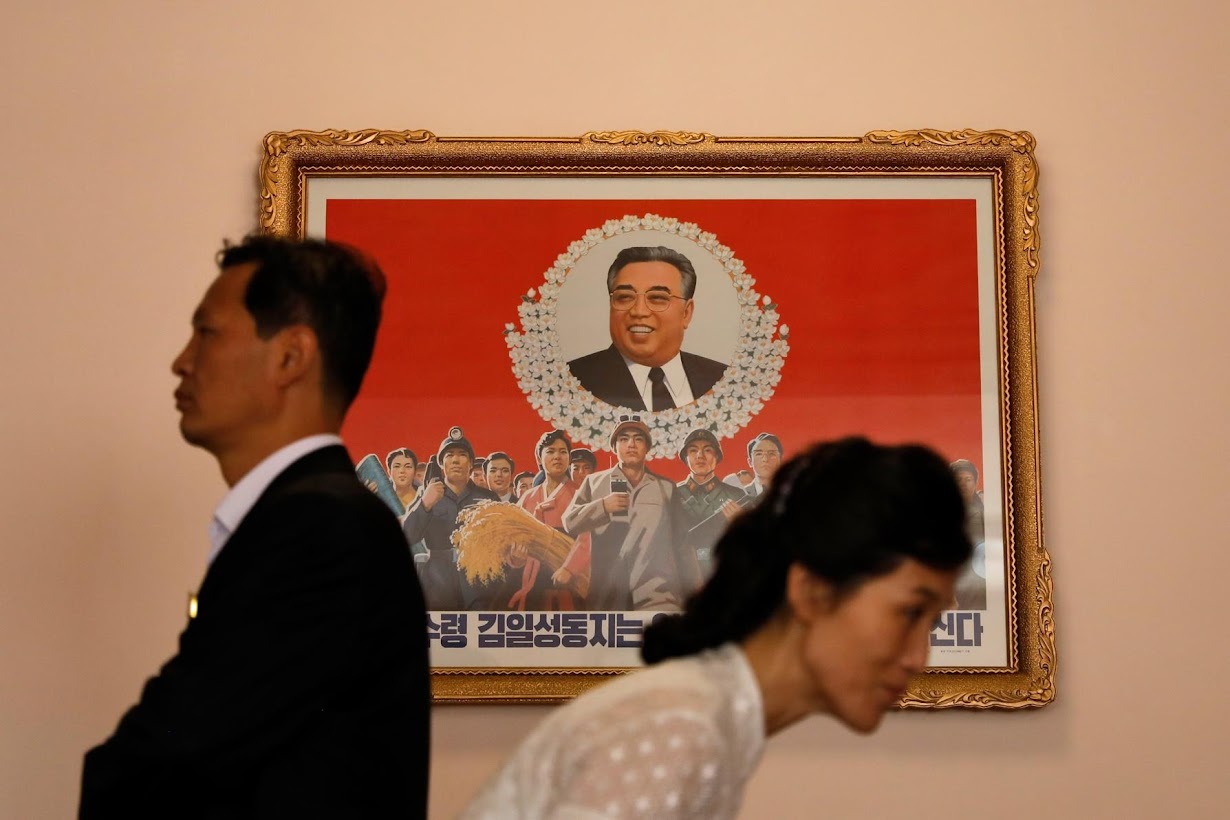
Portraits of a dynasty: North Korea’s ever-present Kims | The Wider Image | Reuters
The Korean War and Post-War Reconstruction (1950–1970s)
On 25 June 1950, North Korean forces invaded the South, triggering the Korean War. Initial victories reached the Pusan Perimeter, but UN forces (led by the U.S.) counterattacked. Chinese intervention saved the North, leading to a devastating three-year stalemate. The 1953 armistice created the Demilitarized Zone (DMZ) but no peace treaty.
Post-war, Kim rebuilt the country with Soviet and Chinese aid. The Chollima Movement and collectivization rapidly industrialized the North. By the 1970s, North Korea’s GDP per capita briefly matched the South’s. Universal education and healthcare were achieved, but at the cost of total state control.
The Kim Jong-il Era: Famine, Nuclear Ambitions, and Songun Policy (1994–2011)
Kim Il-sung died in 1994. His son Kim Jong-il formally took power amid the collapse of the Soviet Union. The 1990s “Arduous March” famine killed hundreds of thousands due to floods, economic collapse, and mismanagement. Kim introduced Songun (“Military First”) policy, prioritizing the army.
Nuclear development accelerated: the first nuclear test in 2006 shocked the world. Despite the 2000 inter-Korean summit and Sunshine Policy, relations remained tense. Kim Jong-il died in December 2011, leaving a nuclear-armed but economically struggling state.
Kim Jong-un’s Rule: Modernization, Sanctions, and Geopolitical Tensions (2011–2026)
Kim Jong-un, in his late 20s when he took power, executed high-ranking officials (including uncle Jang Song-thaek in 2013) to secure control. He pursued simultaneous nuclear and economic development (“byungjin” policy).
Major milestones include:
- 2018 Singapore summit with U.S. President Trump
- Multiple ICBM tests
- COVID-19 border closures (successfully contained)
- 2024 decision to abandon reunification and destroy the Arch of Reunification
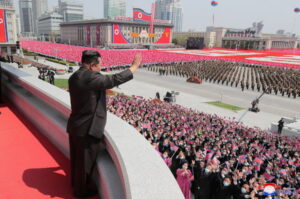
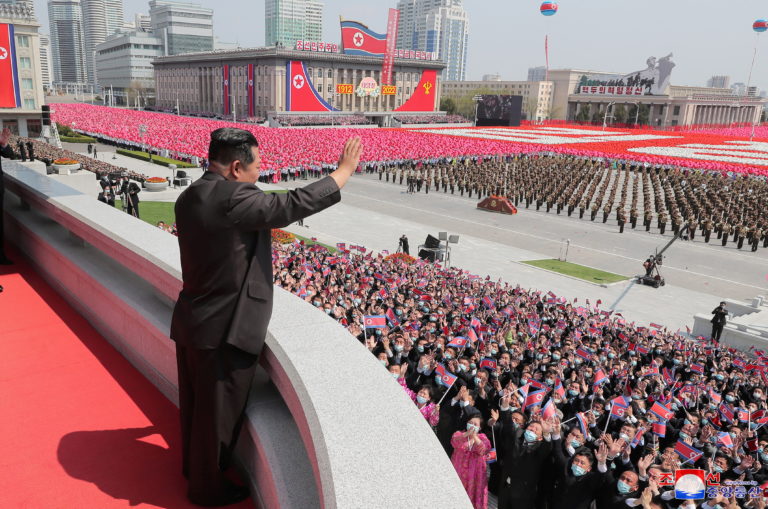
Today, North Korea maintains a powerful military, conducts massive parades, and navigates sanctions while expanding ties with Russia and China. Pyongyang showcases modern high-rises alongside the iconic Juche Tower, symbolizing the regime’s enduring ideology.