Kuwait, a small but wealthy nation in the Persian Gulf, boasts one of the highest GDP per capita in the world thanks to vast oil reserves. Yet the history of Kuwait stretches far beyond petroleum from ancient Mesopotamian trade routes to pearl diving, British protection, independence, invasion, and rapid modernization. This comprehensive timeline traces Kuwait’s evolution into a key player in global energy and regional stability as of 2026.
Ancient Origins and Early Settlement
Human presence in Kuwait dates back to the Neolithic period, with evidence of Ubaid culture settlements around 6500 BCE. By the Bronze Age, the area served as a trade link between Mesopotamia and the Indus Valley. Dilmun (modern Bahrain) and Failaka Island (ancient Ikaros) were important hubs under Greek, Persian, and Seleucid influence.
In the 7th century CE, Islam arrived, and Kuwait became part of successive caliphates. By the 16th century, Portuguese briefly controlled parts of the Gulf, building fortifications. The modern Kuwaiti story begins in the early 18th century when nomadic tribes from the Najd region, including the Al Sabah family, settled in what was then called Grane (or Qurain).
Also See : The Hidden History of North Korea From Division to the Kim Dynasty in 2026
Founding of Kuwait and the Al Sabah Dynasty
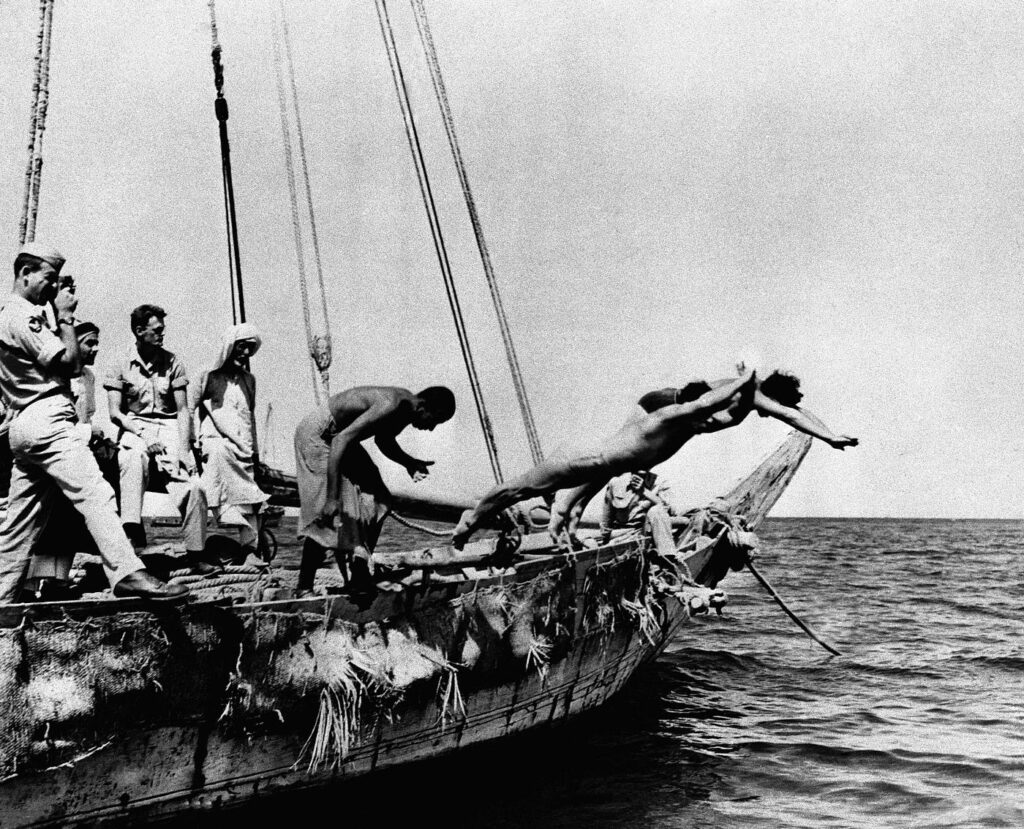
In 1613–1752, the Bani Utub tribal confederation established a permanent settlement at Kuwait Bay, ideal for pearling and trade. Sheikh Sabah I bin Jaber, founder of the Al Sabah ruling family, assumed leadership around 1752. Early rulers focused on maritime commerce, pearl diving, and shipbuilding.
By the late 18th century, Kuwait grew into a thriving port, exporting dates and importing goods from India and East Africa. In 1899, facing Ottoman and Saudi pressures, Sheikh Mubarak Al-Sabah (“Mubarak the Great”) signed a protection treaty with Britain, granting external affairs control in exchange for security. This marked Kuwait’s status as a British protectorate until 1961.
British Protectorate and the Oil Era (1899–1961)
Under British protection, Kuwait avoided direct Ottoman or Wahhabi conquest. Pearl diving remained the economic backbone until the 1930s global depression and Japanese cultured pearls collapsed the industry.
Oil discovery in 1938 at Burgan field transformed everything. Commercial production began post-WWII, making Kuwait one of the richest oil producers. On 19 June 1961, Britain granted full independence. Iraq immediately claimed Kuwait as its “19th province,” prompting British and Arab League intervention.
Independence, Constitution, and Gulf Challenges (1961–1990)
Kuwait adopted a constitution in 1962, establishing a parliamentary system with an elected National Assembly progressive for the region. Oil revenues funded massive welfare, education, and infrastructure. The country joined the UN and OPEC.
Tensions with Iraq persisted. In the 1980s Iran-Iraq War, Kuwait supported Iraq financially but faced Iranian attacks on tankers. Saddam Hussein’s regime accused Kuwait of overproduction and slant-drilling.
The Iraqi Invasion and Liberation (1990–1991)
On 2 August 1990, Iraq invaded Kuwait, annexing it as a province. The seven-month occupation saw atrocities, looting, and environmental disaster (oil wells set ablaze). A U.S.-led coalition liberated Kuwait in Operation Desert Storm by February 1991. Liberation Day (26 February) remains a national holiday.
Post-Liberation Recovery and Modern Kuwait (1991–2026)
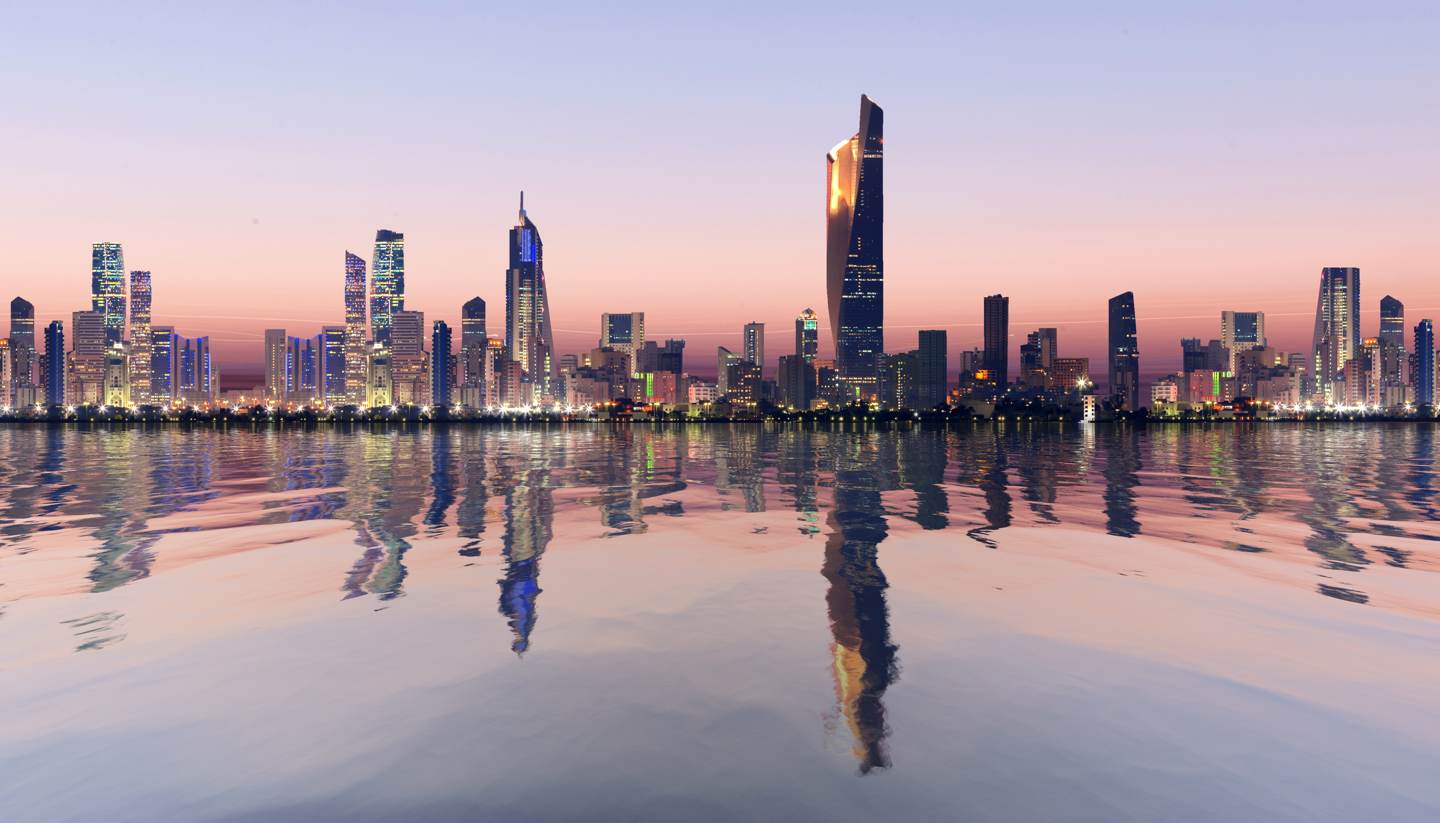
Reconstruction cost billions, but oil wealth enabled rapid rebuilding. Kuwait invested in diversification, sovereign wealth (KIA), and infrastructure like ports and airports. Political reforms included women’s suffrage in 2005.
Recent years saw leadership transitions: Sheikh Sabah Al-Ahmad (2006–2020), then Sheikh Nawaf (2020–2023), followed by current Amir Sheikh Meshal Al-Ahmad Al-Jaber Al-Sabah. In 2025, key reforms abolished reduced penalties for honor killings and raised marriage age to 18. Kuwait ranked first globally in several stability and innovation indicators, with new offshore oil discoveries and progress on Mubarak Al-Kabeer Port. In 2026, the nation celebrates its 65th National Day amid economic diversification and strong non-oil growth.