Nicaragua is the largest country in Central America and has a long and diverse history influenced by indigenous civilizations, Spanish colonization, and modern political struggles.
Indigenous Civilizations
Before European arrival, Nicaragua was home to several indigenous groups including the Nicarao, Chorotega, and Miskito peoples. These communities built agricultural societies and maintained trade networks across Central America.
The country’s name is believed to come from a local leader called Nicarao combined with the Spanish word for water, referring to the region’s many lakes and rivers.
Also See : Unveiling the Sands of Time The Enigmatic History of Mauritania
Spanish Colonization
In the early 16th century, Spanish conquistadors led by Gil González Dávila explored and claimed the territory for Spain.
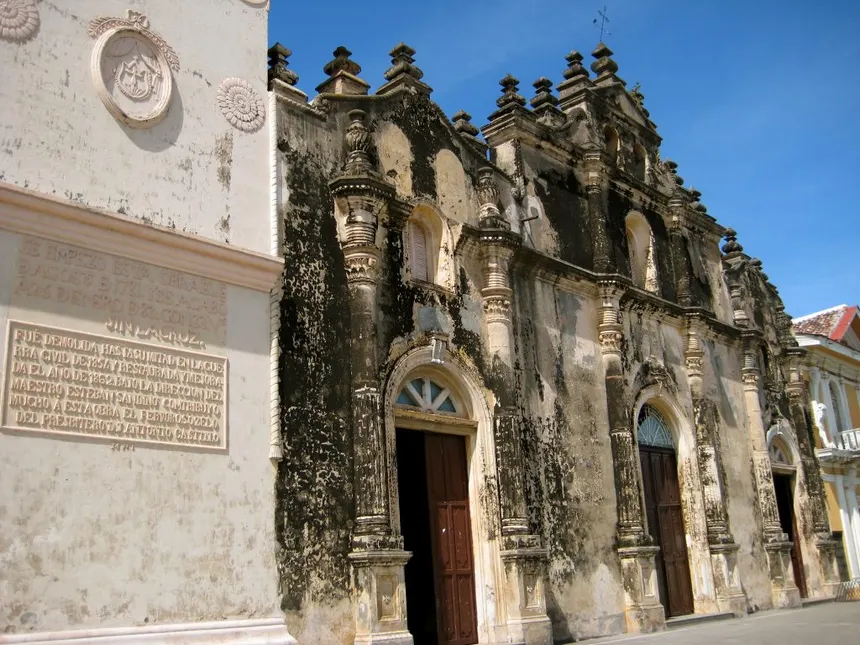
During the colonial era, cities such as Granada and León became important administrative and economic centers. However, the period was also marked by the decline of many indigenous populations due to disease and forced labor.
Independence from Spain
Nicaragua gained independence from Spain in 1821 along with other Central American territories. For a time, it was part of the Federal Republic of Central America before becoming a separate nation in 1838.
Political rivalries between regional elites and foreign interests often shaped the country’s early development.
Political Conflict and Revolution
In the 20th century, Nicaragua experienced decades of political unrest and authoritarian rule. The long dictatorship of the Somoza family eventually ended after the Nicaraguan Revolution in 1979.
The revolution brought major social and political changes but also led to further conflict during the Cold War era.
Nicaragua Today
Modern Nicaragua continues to develop while facing economic and political challenges. The country remains rich in cultural heritage, natural beauty, and historical traditions that reflect centuries of indigenous and colonial influences.