Nepal is a landlocked country in South Asia located between India and China. Known for the towering Himalayas and deep cultural traditions, Nepal has a long history shaped by ancient civilizations, powerful dynasties, and modern political transformation.
Early Civilizations in the Kathmandu Valley
The history of Nepal began thousands of years ago in the fertile Kathmandu Valley. Early communities developed agriculture, trade, and urban settlements in this region. One of the earliest known ruling groups was the Kirat dynasty, which governed the area for centuries.
Later, the Licchavi dynasty rose to power around the 4th century CE, bringing cultural growth, architecture, and strong trade connections with neighboring regions.
Also See : Unveiling the Sands of Time The Enigmatic History of Mauritania
The Malla Dynasty and Cultural Flourishing
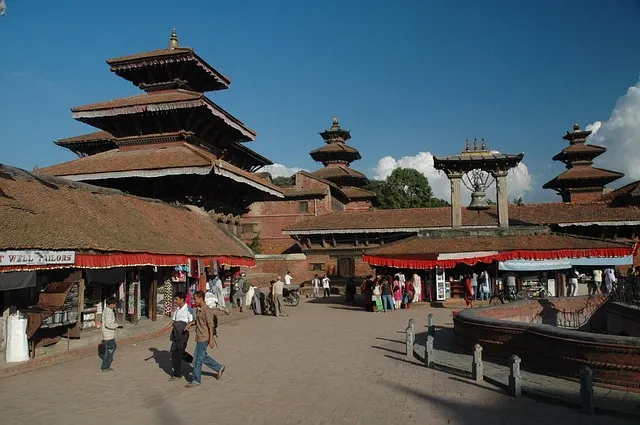
Between the 12th and 18th centuries, Nepal was ruled by the powerful Malla kings. During this period, cities such as Kathmandu, Patan, and Bhaktapur became major centers of art, architecture, and religion.
Many of the temples, palaces, and traditional squares that attract tourists today were built during the Malla era, making it one of the most culturally important periods in Nepalese history.
The Unification of Nepal
In the 18th century, the small kingdom of Gorkha began expanding under the leadership of Prithvi Narayan Shah. Through a series of military campaigns, he successfully unified many smaller kingdoms and established modern Nepal in 1768.
This unification laid the foundation for the Nepalese state that exists today.
The Rana Rule and Political Change
In the mid-19th century, a powerful political family known as the Rana dynasty took control of Nepal’s government. The Rana rulers served as hereditary prime ministers while the monarchy remained largely symbolic.
This system lasted for more than a century until political reforms and democratic movements in the 1950s reduced their power.
Nepal in the Modern Era
Nepal experienced major political transformation in the 21st century. In 2008, the country officially abolished its monarchy and became a federal democratic republic.
Today, Nepal continues to preserve its ancient traditions while developing as a modern nation known for its rich culture, religious heritage, and the famous Himalayan mountain range.