Morocco is a North African nation with a rich history influenced by Berber traditions, Islamic empires, and European interactions. Its strategic location between Africa and Europe made it a cultural and commercial crossroads for centuries.
Early Berber Kingdoms
The earliest inhabitants of Morocco were the Berbers, also known as the Amazigh people. These indigenous communities developed agricultural societies and trade networks across North Africa long before outside empires arrived.
During ancient times, parts of Morocco were influenced by Phoenician traders and later became part of the Roman Empire.
The Arrival of Islam
In the 7th century, Arab armies introduced Islam to the region. Over time, Morocco became an important center of Islamic culture and learning. Powerful Islamic dynasties ruled the country and expanded their influence across North Africa and parts of Spain.
Also See : The Fascinating History of Mexico – From Ancient Civilizations to a Modern Nation
One of the earliest and most significant dynasties was the Idrisid Dynasty, founded by Idris I of Morocco in the late 8th century.
Powerful Moroccan Dynasties
Several great dynasties shaped Moroccan history, including the Almoravid Dynasty and the Almohad Dynasty. These empires controlled vast territories in North Africa and even parts of the Iberian Peninsula.
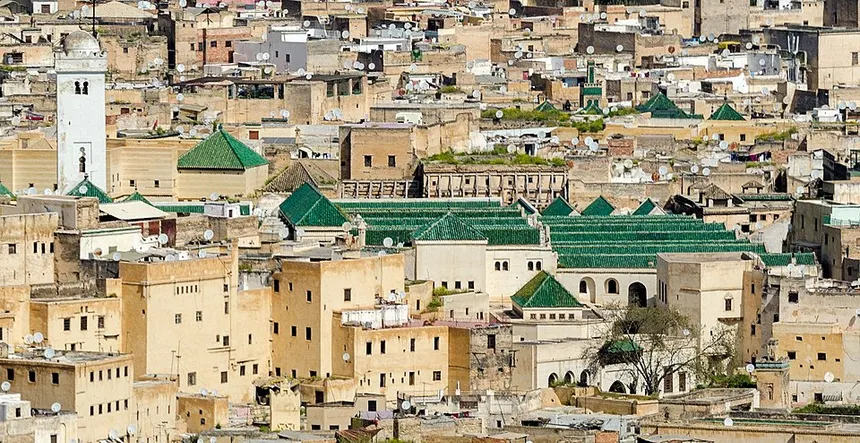
During this period, cities such as Marrakesh and Fez became major centers of trade, culture, and Islamic scholarship.
European Influence and Colonial Rule
In the late 19th and early 20th centuries, European powers competed for influence in Morocco. Eventually, the country became a protectorate divided mainly between France and Spain.
Despite colonial rule, Moroccan national movements grew stronger and pushed for independence.
Independence and Modern Morocco
Morocco gained independence in 1956 under the leadership of Mohammed V of Morocco. Since then, the country has developed into a constitutional monarchy ruled today by Mohammed VI of Morocco.
Modern Morocco combines ancient traditions with modern development, making it one of the most culturally rich and historically significant nations in North Africa.