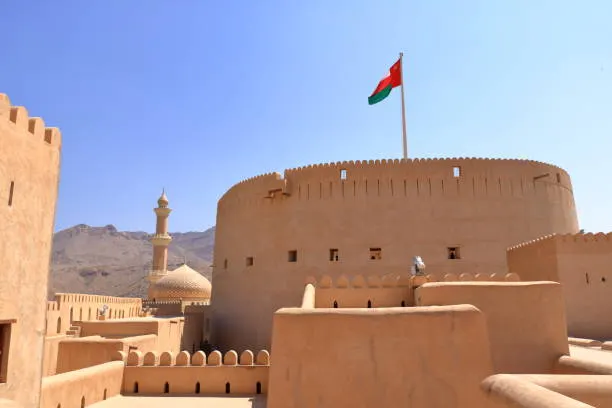
Oman, located on the southeastern coast of the Arabian Peninsula, has a long and remarkable history shaped by trade, seafaring traditions, and cultural exchange. Known historically as a center of maritime commerce, Oman played a vital role in connecting the Middle East, Africa, and Asia. Over centuries, the nation evolved from ancient trading settlements into the modern Sultanate of Oman.
Ancient Oman and Early Trade Networks
The history of Oman dates back more than 5,000 years. In ancient times, the region was known as Magan in Mesopotamian records. It was famous for producing copper and served as an important trading partner for civilizations such as Sumer and the Indus Valley.
Oman’s strategic location along major sea routes made it a hub for trade between Arabia, Persia, India, and East Africa. Merchants from Oman exported frankincense, copper, and other valuable goods across the ancient world.
Also See : “The History of Moldova”From Ancient Principality to Modern European Nation
The Arrival of Islam
In the 7th century, Islam spread across the Arabian Peninsula, and Oman peacefully embraced the new religion during the lifetime of the Prophet Muhammad. Soon after, Oman became an important center of Ibadi Islam, a distinct Islamic tradition that continues to influence the country today.
Omani Maritime Empire
Between the 17th and 19th centuries, Oman developed into a powerful maritime empire. Omani sailors and traders dominated key trade routes in the Indian Ocean. The country established influence across parts of East Africa, including Zanzibar, which even became the capital of the Omani Sultanate for a period in the 19th century.
This era marked the height of Oman’s naval and commercial power, with Omani ships traveling as far as India, China, and Southeast Asia.
Colonial Pressure and Internal Challenges
By the late 19th and early 20th centuries, Oman faced increasing influence from European powers, particularly Britain. Although Oman remained formally independent, British political and economic influence shaped much of its governance.
Internally, the country experienced political divisions between coastal rulers and tribal leaders in the interior regions.
Modernization Under Sultan Qaboos
A major turning point in Oman’s modern history came in 1970 when Sultan Qaboos bin Said came to power. He launched a sweeping modernization program that transformed the country’s infrastructure, education, healthcare, and economy.
Under his leadership, Oman shifted from a largely isolated nation into a modern state with growing international ties.
Oman Today
Today, Oman is known for its political stability, rich cultural heritage, and balanced foreign policy in the Gulf region. While embracing modernization, the country continues to preserve its traditions, architecture, and historic maritime legacy.
From ancient copper trade to a modern Gulf nation, Oman’s long and diverse history remains a key part of its national identity.