Overview of São Tomé and Príncipe
São Tomé and Príncipe is a small island nation located in the Gulf of Guinea, off the western coast of Central Africa. Known for its untouched natural beauty, it is one of Africa’s least-visited yet most captivating destinations.
Historical Background
The islands were uninhabited until the arrival of Portuguese explorers in the 15th century. They became part of the Portuguese Empire and developed as a major center for sugar and later cocoa production, relying heavily on enslaved labor.
Also See : The History of Palau From Ancient Island Culture to Independent Pacific Nation
Natural Beauty and Biodiversity
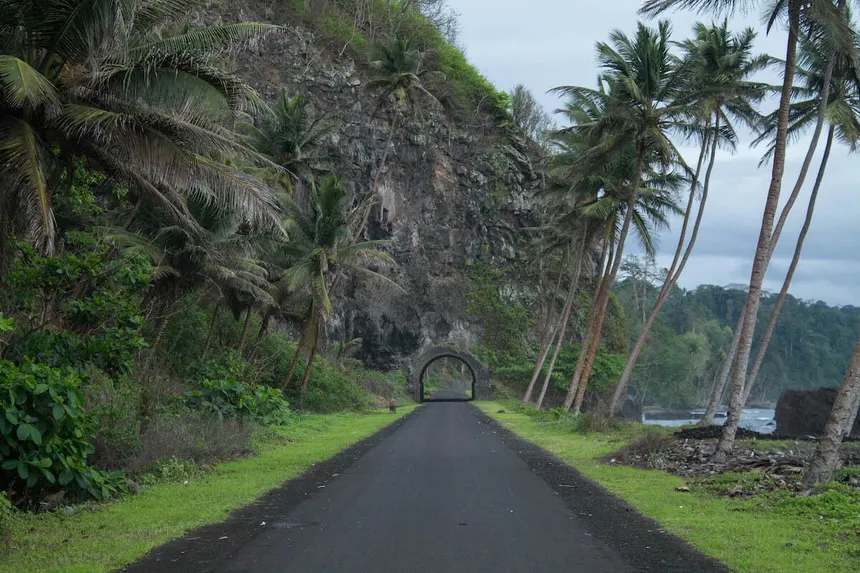
São Tomé and Príncipe is renowned for its lush rainforests, volcanic landscapes, and diverse wildlife. Pristine beaches and rich ecosystems make it a paradise for nature lovers and eco-tourists.
Culture and Traditions
The culture is a blend of African and Portuguese influences, reflected in language, music, and cuisine. Local traditions and a relaxed island lifestyle define everyday life in the country.
Tourism and Modern Development
Today, São Tomé and Príncipe is emerging as an eco-tourism destination. Its remote location and preserved environment offer travelers a unique and authentic experience away from mass tourism.