Early Kingdom and Social Structure
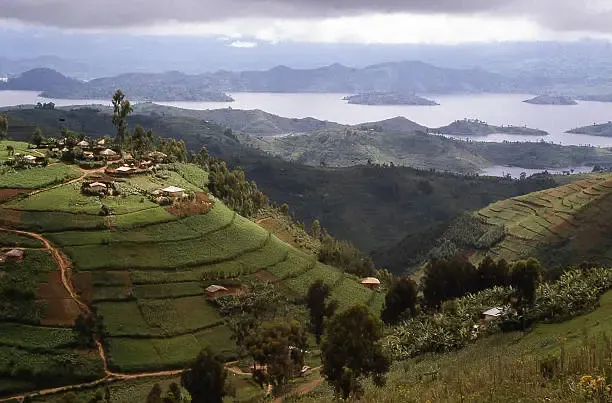
Rwanda’s history dates back centuries with the establishment of a centralized kingdom ruled by a monarch known as the Mwami. Society was organized into groups such as Hutu, Tutsi, and Twa, which were originally more socio-economic distinctions than rigid ethnic divisions.
Colonial Rule and Division
In the late 19th century, Rwanda became part of European colonial territories under Germany and later Belgium. Colonial powers deepened divisions among the population, setting the stage for future conflict.
Also See : The History of Palau From Ancient Island Culture to Independent Pacific Nation
Independence and Rising Tensions
Rwanda gained independence in 1962, but tensions between ethnic groups continued to rise. Political instability and violence marked the early decades of independence.
The 1994 Genocide
One of the darkest chapters in Rwanda’s history is the Rwandan Genocide, during which hundreds of thousands of people were killed in a short period. The tragedy had a profound impact on the nation and the world.
Recovery and Modern Rwanda
Since the late 1990s, Rwanda has focused on reconciliation, rebuilding, and economic development. Today, it is often recognized for its stability, growth, and efforts to overcome its past, becoming one of Africa’s most promising nations.