Ancient Dacia and Roman Conquest
Romania’s history begins with the ancient region of Dacia, inhabited by the Dacian people. In 106 AD, the area was conquered by the Roman Empire under Emperor Trajan. This conquest played a key role in shaping the Romanian language and cultural identity.
Medieval Principalities
During the Middle Ages, the region was divided into principalities such as Wallachia, Moldavia, and Transylvania. Leaders like Vlad the Impaler became famous for defending their territories against external threats, particularly from the Ottoman Empire.
Also See : The History of Palau From Ancient Island Culture to Independent Pacific Nation
Unification and Independence
In the 19th century, Wallachia and Moldavia united to form the basis of modern Romania. The country gained independence from Ottoman influence in 1877, marking a major step toward nationhood.
World Wars and Communist Era
Romania played significant roles in both World Wars, experiencing territorial changes and political upheaval. After World War II, it fell under communist rule, heavily influenced by the Soviet Union.
Modern Romania
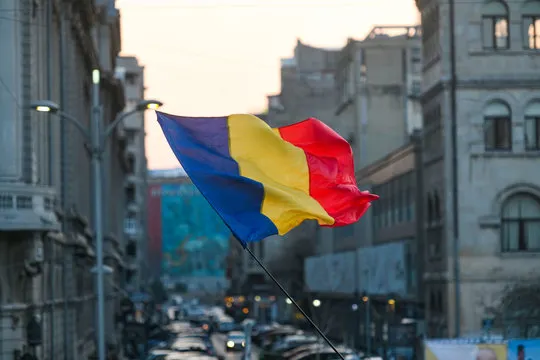
The communist regime ended in 1989 with the Romanian Revolution. Today, Romania is a democratic country and a member of the European Union, known for its rich history, cultural heritage, and growing economy.