Early Foundations and Roman Influence
The history of Portugal dates back to ancient times when the region was inhabited by Celtic tribes before becoming part of the Roman Empire. Roman rule introduced infrastructure, language influences, and cultural development that shaped the early identity of the region.
Formation of the Portuguese Kingdom
Portugal officially emerged as a kingdom in the 12th century under Afonso I of Portugal, who declared independence from the Kingdom of León. This marked the beginning of Portugal as a sovereign nation with defined borders in Western Europe.
Also See : The History of Palau From Ancient Island Culture to Independent Pacific Nation
The Age of Exploration
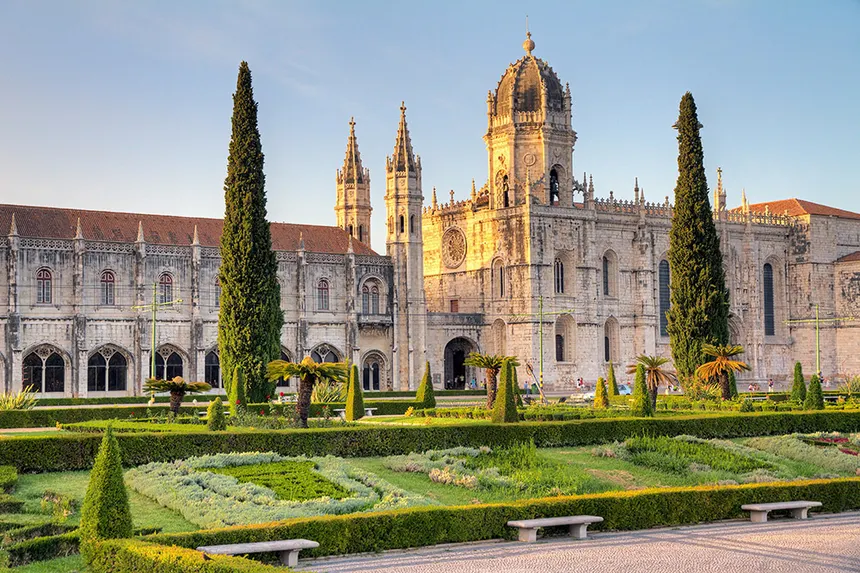
Portugal rose to global prominence during the 15th and 16th centuries in the era known as the Age of Exploration. Explorers like Vasco da Gama opened sea routes to India, establishing Portugal as a major maritime empire with colonies in Africa, Asia, and South America.
Decline of Empire and Political Changes
Over time, Portugal’s global dominance declined due to competition from other European powers. The country experienced political instability, including the fall of the monarchy in 1910 and the rise of authoritarian rule in the 20th century.
Modern Portugal
In 1974, the peaceful Carnation Revolution ended decades of dictatorship and restored democracy. Today, Portugal is a stable democratic country and a member of the European Union, known for its rich history, culture, and global influence.