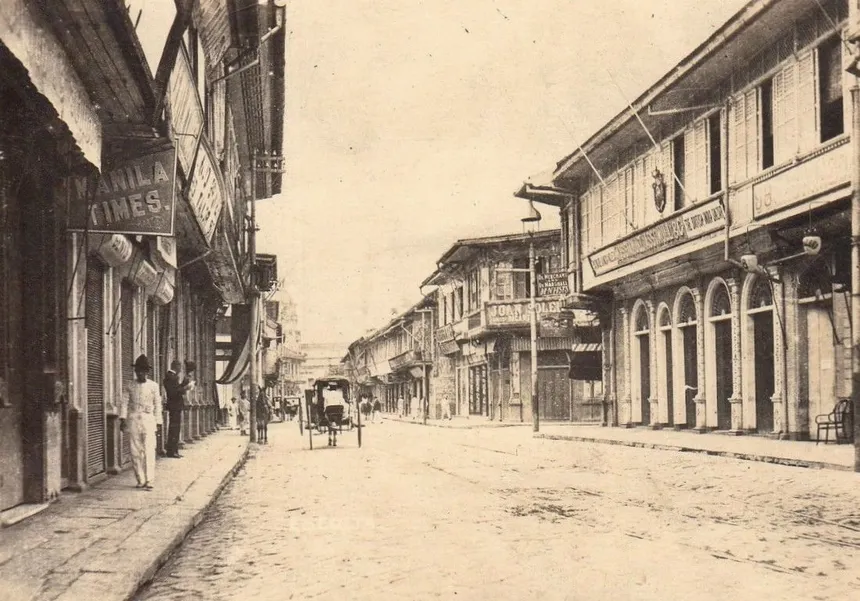
Early Civilizations and Pre-Colonial Society
Before foreign colonization, the Philippines was home to thriving communities influenced by trade across Asia. Early societies had connections with China, India, and the Malay world. Local leaders known as datus governed independent communities, and Islam was introduced in the southern regions prior to European arrival.
Spanish Colonization and Cultural Transformation
In 1521, Portuguese explorer Ferdinand Magellan arrived in the Philippines under Spanish sponsorship, marking the beginning of Spanish influence. The islands later became part of the Spanish Empire, which ruled for over 300 years. During this time, Catholicism spread widely and became a dominant cultural force.
Also See : The History of Palau From Ancient Island Culture to Independent Pacific Nation
Revolution and the Fight for Independence
In the late 19th century, resistance against Spanish rule grew stronger. Filipino nationalist José Rizal inspired reform movements through his writings. The revolution eventually led to the declaration of independence in 1898, although control soon shifted to the United States after the Spanish-American War.
American and Japanese Occupation
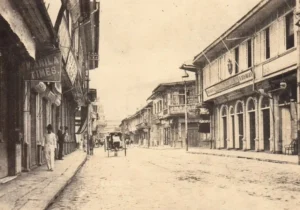
The United States governed the Philippines in the early 20th century, introducing public education and democratic institutions. During World War II, Japan occupied the country, causing widespread destruction and hardship for Filipinos.
Independence and Modern Philippines
The Philippines finally gained full independence in 1946. Since then, it has developed into a vibrant nation with a unique blend of Asian and Western influences, shaped by its complex colonial past and strong cultural identity.