Harvest festivals in India celebrate the end of the agricultural season and express gratitude for a successful crop. These festivals are deeply rooted in rural life and reflect the country’s agricultural heritage.
Major Harvest Festivals
Different regions celebrate harvest festivals in unique ways. Pongal in Tamil Nadu, Baisakhi in Punjab, and Makar Sankranti across various states are among the most popular. Each festival has its own customs, rituals, and significance.
Also See : The Tradition of Fasting in Indian Culture
Celebrations and Rituals
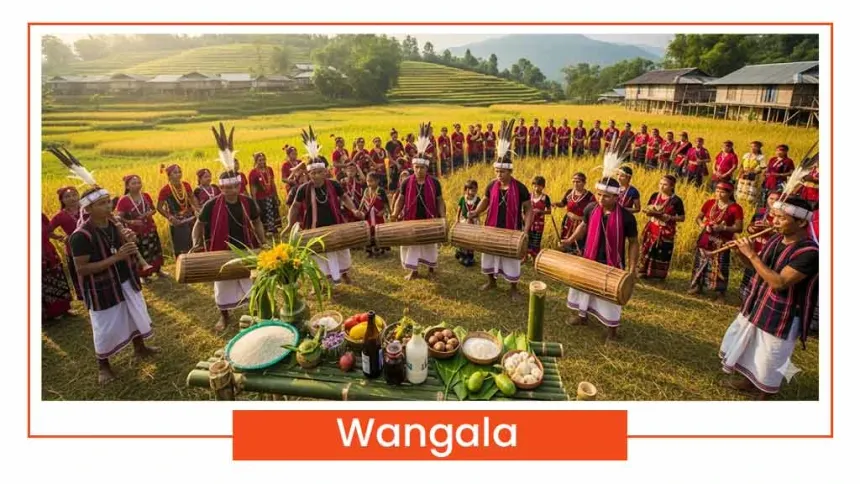
Harvest festivals are marked by prayers, feasts, music, and dance. Farmers thank nature and the gods for their blessings, and communities come together to celebrate with traditional foods and cultural performances.
Role in Community Life
These festivals strengthen social bonds and promote a sense of unity. They provide an opportunity for people to relax, celebrate, and reconnect with their cultural roots after months of hard work.
Cultural Significance
Harvest festivals highlight the importance of agriculture in Indian society. They symbolize prosperity, gratitude, and harmony with nature, making them an essential part of India’s cultural and spiritual life.