Why a Balanced Diet Matters
A balanced diet is the foundation of good health. It provides your body with the essential nutrients, vitamins, and minerals it needs to function properly. Eating a variety of nutritious foods helps boost your immune system, maintain energy levels, and reduce the risk of chronic diseases like diabetes, obesity, and heart disease.
1. Include a Variety of Foods
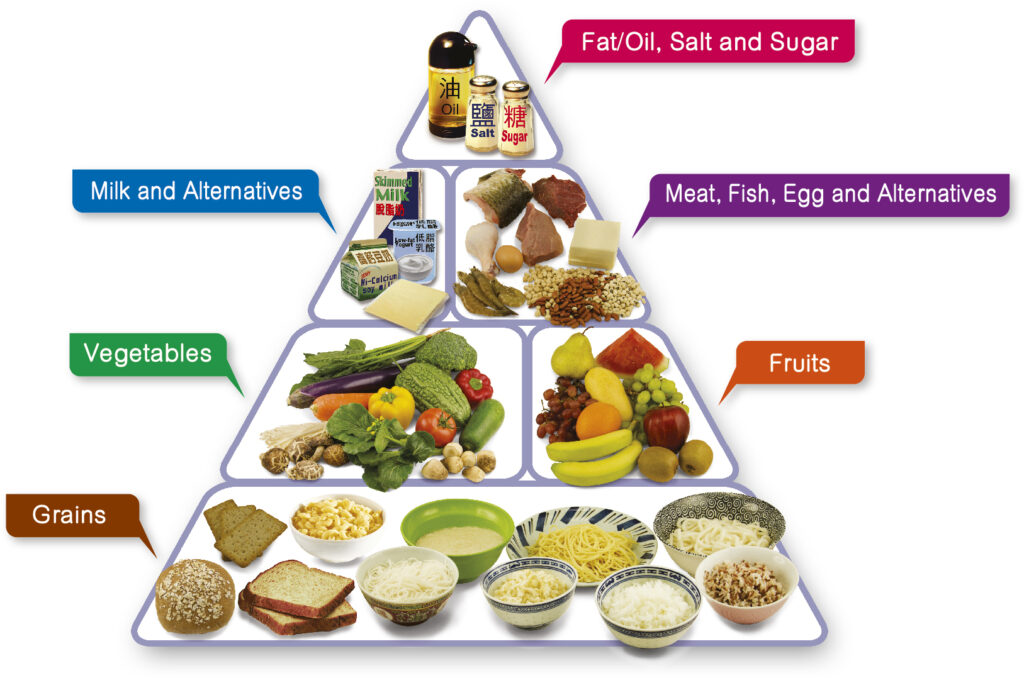
Your daily meals should contain a mix of:
- Fruits and vegetables: Rich in fiber, antioxidants, and vitamins.
- Whole grains: Such as oats, brown rice, and whole-wheat bread for lasting energy.
- Lean proteins: Like fish, eggs, tofu, and beans to support muscle repair.
- Healthy fats: From olive oil, nuts, and avocados to maintain heart health.
2. Limit Sugar, Salt, and Processed Foods
While it’s okay to enjoy your favorite treats occasionally, too much sugar and salt can cause long-term health problems. Processed foods often contain hidden fats and preservatives that harm your body. Choose fresh, home-cooked meals whenever possible.
ALSO SEE : 10 Benefits of Drinking Water for Your Health You Might Not Know
3. Stay Hydrated
Water is vital for digestion, detoxification, and energy. Drink at least 8 glasses (2–3 liters) of water daily, and reduce sugary drinks or sodas that add empty calories.
4. Eat at Regular Times
Having meals at consistent times keeps your metabolism active and prevents overeating. Don’t skip breakfast it fuels your day and helps control hunger throughout the day.
5. Practice Mindful Eating
Slow down and listen to your body. Eat only when you’re hungry and stop before you feel too full. This helps improve digestion and supports weight management.
Conclusion
Maintaining a balanced diet isn’t about strict rules or deprivation it’s about making smarter food choices every day. By eating nutritious meals, staying hydrated, and keeping your portions balanced, you can enjoy better health, more energy, and a happier lifestyle.
ALSO SEE : Dallol – Ethiopia “The Hottest Village in the World”