Vietnamese folk singing includes a variety of regional styles that express daily life, love, history, and community spirit. Each region has its signature style, from the northern Quan Ho to the central Hue royal court music and the southern Don Ca Tai Tu. These musical traditions have been preserved for centuries through festivals, oral storytelling, and community performances.
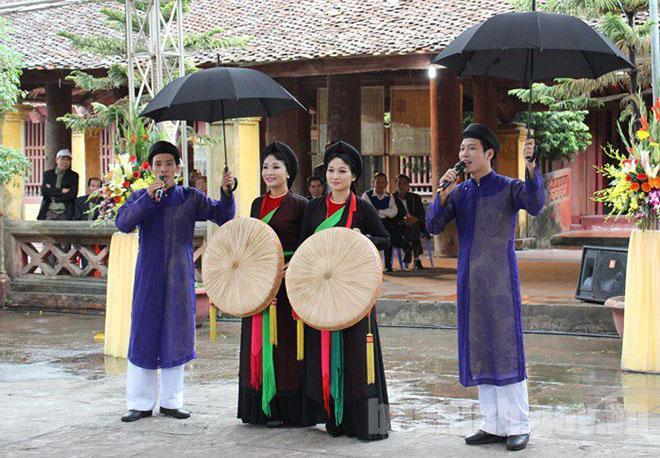
Quan Ho, a traditional singing style from Bac Ninh, features call and response duets performed by male and female groups. The lyrics express friendship, romance, and poetic themes. Quan Ho is recognized by UNESCO as an Intangible Cultural Heritage of Humanity.
In Hue, royal court music known as Nha Nhac represents the elegance of the Nguyen Dynasty. It was performed during ceremonies, banquets, and royal events. The music uses traditional instruments such as drums, zithers, and flutes.
In southern Vietnam, Don Ca Tai Tu is a folk music tradition inspired by rural life and the Mekong Delta. The songs tell stories of farmers, rivers, and countryside beauty. Performances often take place on boats, in villages, or during family gatherings.
Folk singing reflects the soul of Vietnam. It preserves regional identity and strengthens bonds within communities. Festivals, competitions, and cultural programs help younger generations learn and carry on these musical traditions.