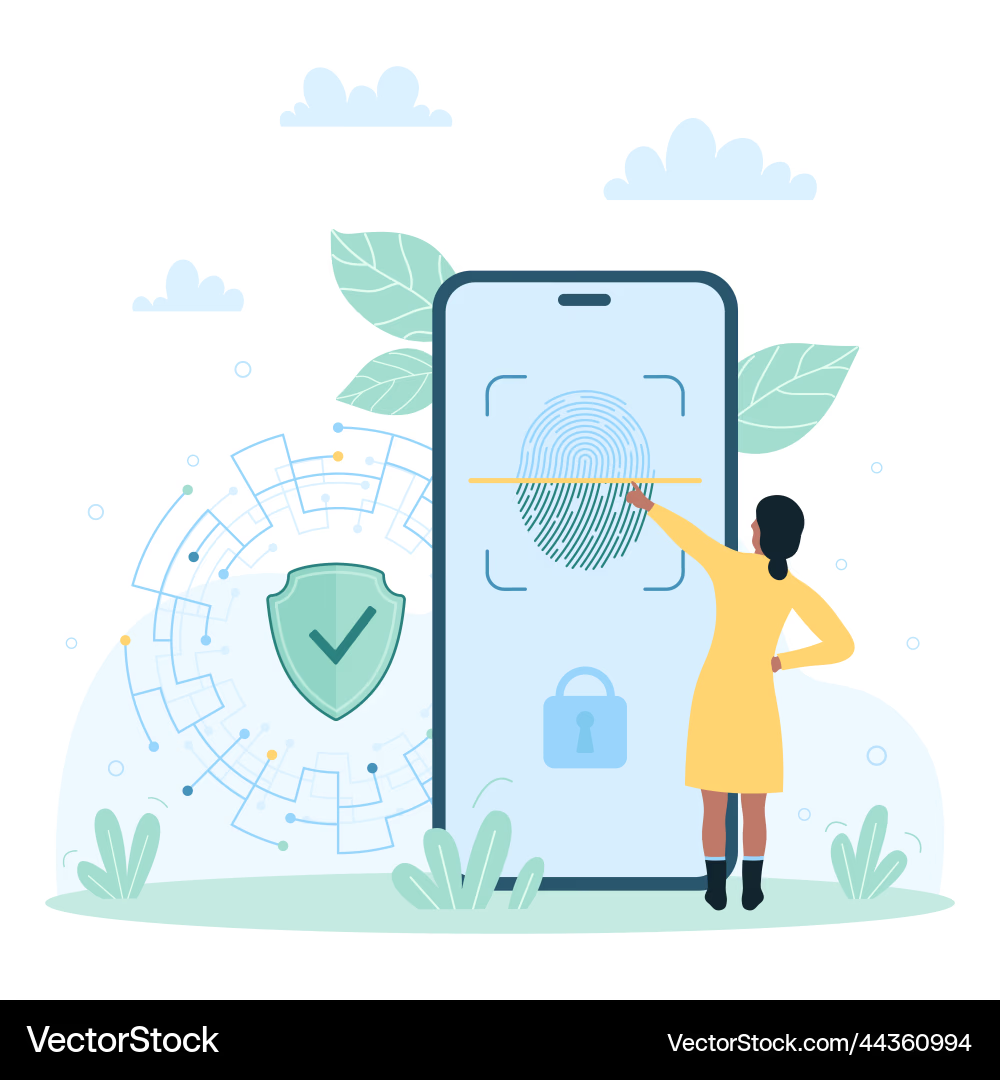
Biometric authentication technology is becoming one of the most reliable security innovations in the digital world. Instead of relying on passwords or physical keys, this technology verifies identity by analyzing unique human characteristics such as fingerprints, facial structure, voice patterns, retina scans, and even behavioral movements. As cyber threats continue to rise, biometric authentication offers a stronger and more efficient way to protect personal data, financial transactions, and digital ecosystems.
What Is Biometric Authentication Technology
Biometric authentication is a system that uses biological or behavioral traits to confirm a person’s identity. Because these traits are unique to each individual, biometric methods offer a higher level of security compared to traditional login methods. This technology is now integrated into smartphones, banking systems, airport checkpoints, smart homes, and advanced workplace environments.
With rapid advancements in sensors, machine learning, and data processing, biometric authentication is becoming more accurate and more accessible for both personal and enterprise use.
Why Biometric Authentication Matters
Passwords can be forgotten, stolen, or easily guessed. Physical keys or cards can be misplaced or duplicated. Biometric traits, however, are inherently tied to the individual, making them more reliable and harder to replicate.
Benefits of biometric authentication include:
- High accuracy in identifying users
- Strong resistance to fraud and unauthorized access
- Faster and more seamless login experiences
- Reduced dependency on passwords and physical tokens
These advantages make biometrics a powerful solution for modern security challenges.
Key Applications Across Industries
1. Mobile Devices and Personal Security
Smartphones and tablets commonly use fingerprint sensors and facial recognition to unlock devices, authorize app logins, and approve digital payments. This improves convenience while keeping user data protected.
2. Banking and Financial Services
Banks rely on biometric verification for secure transactions, online banking access, and customer identity validation. Voice recognition for call centers and face scanning for mobile banking apps have significantly reduced fraud attempts.
3. Airports and Border Control
Biometric systems speed up immigration processes by using face recognition or fingerprint scanning. Automated e gates allow travelers to move quickly through security checkpoints while maintaining high levels of accuracy.
4. Workplace and Corporate Security
Companies use biometric access systems to secure sensitive areas and ensure only authorized personnel can enter. Biometric logs also help monitor attendance and workplace access more effectively.
5. Smart Homes and Consumer Technology
From smart door locks to personalized home assistants, biometrics enable seamless and secure access in everyday living environments. Homeowners gain a higher level of protection without relying on traditional keys.
Challenges and Concerns
Despite its strengths, biometric technology faces several challenges:
- Data privacy concerns and the need for responsible storage
- High quality sensors required for accurate readings
- Potential errors caused by physical changes or environmental conditions
- The need for strong encryption to protect biometric databases
Ongoing innovation is focused on improving accuracy and ensuring user trust through secure data handling.
Biometric authentication technology represents a major step forward in global digital security. By using unique human characteristics as a form of identification, this technology delivers stronger protection, faster access, and improved convenience for users. As industries continue to adopt biometrics, it is expected to become a foundational part of security systems worldwide.