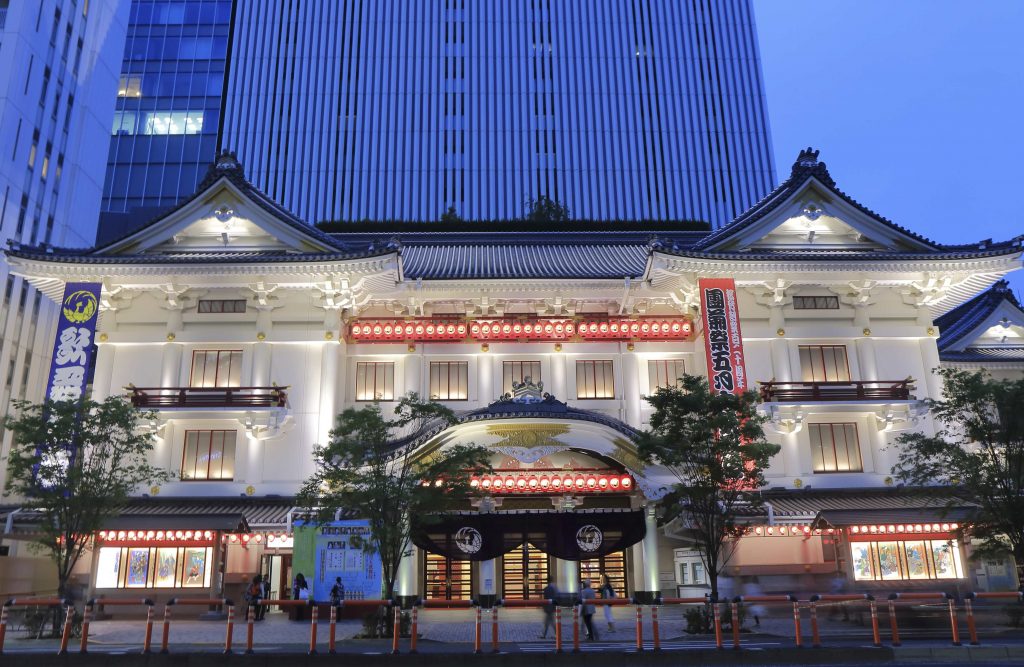
Kabuki Theatre is one of Japan’s most iconic performing arts. Known for its dynamic acting, elaborate costumes, bold makeup, and powerful storytelling, Kabuki remains a symbol of Japanese creativity and cultural heritage. For more than four centuries, this vibrant stage art has entertained audiences with tales of love, loyalty, tragedy, and heroic battles. Today, Kabuki continues to evolve while preserving the spirit of classical Japanese drama, making it a captivating experience for locals and international visitors.
Kabuki originated in the seventeenth century during the Edo Period. Its creator was a woman named Izumo no Okuni, who formed a troupe that performed dances and theatrical scenes along the Kamo River in Kyoto. Her innovative style quickly gained attention, inspiring other troupes and transforming the art into a nationwide phenomenon. Although women were banned from performing in the following decades, the tradition of male actors playing both male and female roles became a defining feature of Kabuki. These actors are known as onnagata when portraying female characters.
What makes Kabuki distinct is its highly stylized form of acting. Movements are exaggerated and dramatic. Actors use poses called mie to freeze in powerful positions that express emotion and intensity. These poses are often accompanied by rhythmic drum beats that heighten the dramatic effect. The performance creates a sense of tension and excitement that keeps the audience deeply engaged.
Kabuki stages are uniquely designed with innovative features. One of the most famous elements is the hanamichi, a long walkway that extends through the audience. This allows actors to make dramatic entrances and exits, creating a sense of closeness with viewers. The revolving stage, known as mawari butai, enables fast scene changes that were revolutionary at the time of their invention. These technical features remain essential in modern Kabuki theatres, blending tradition with impressive stagecraft.
Costumes and makeup are central to the identity of Kabuki. Actors wear colorful kimono with intricate patterns that reflect their character’s personality and status. The makeup style, known as kumadori, uses bold lines and bright colors to express emotions. Red lines represent bravery and passion, while blue lines suggest fear or villainy. This visual language allows the audience to understand the character before a single word is spoken. The makeup process itself is considered an art form passed down from one generation of performers to the next.
Kabuki stories often explore moral themes such as loyalty, honor, and the conflict between duty and personal desire. Many plays are based on historical events, legends, or traditional folktales. Others focus on the daily life of ordinary people during the Edo Period. This variety gives Kabuki a narrative richness that appeals to both scholars and casual audiences. Traditional musical instruments, including shamisen and taiko drums, accompany the performance and enhance the emotional atmosphere.
Despite its long history, Kabuki has adapted to modern times. Some theatres use digital screens and advanced lighting to create spectacular effects. New plays are occasionally introduced to attract younger audiences while maintaining the essential style of classical Kabuki. The art form has also been recognized internationally, earning a place on the UNESCO Intangible Cultural Heritage list.
Visitors who attend a Kabuki performance often describe it as an unforgettable cultural experience. The combination of visual brilliance, storytelling, music, and historical depth creates a powerful impression that cannot be found in any other form of theatre. Major venues such as Kabuki za in Tokyo, Minami za in Kyoto, and Shochiku theatres nationwide continue to host performances throughout the year.
Kabuki remains a living art. Actors dedicate their entire lives to mastering its techniques, often inheriting their stage names from generations of family performers. This lineage preserves the authenticity and purity of the tradition. Watching Kabuki is not just entertainment. It is an opportunity to witness a legacy that reflects Japan’s artistic spirit and cultural identity.