The evolution of guitar technology has reshaped modern music in remarkable ways. Over the past few decades both acoustic and electric guitars have undergone significant innovations that enhance sound diversity performance convenience and recording efficiency. These advancements allow musicians to explore new creative directions while preserving the essence of traditional guitar playing. As technology continues to grow the guitar remains at the center of musical innovation and digital transformation.
One of the most influential advancements is the development of digital modeling technology. Instead of relying solely on physical amplifiers musicians can now use modeling processors software plugins and digital amp simulations to achieve a wide range of tones. These digital tools replicate classic amplifiers speakers and effects pedals with impressive accuracy. This makes it easier for musicians to create professional sounding music without needing large expensive equipment. Home studios benefit greatly because digital modeling allows high quality recording in small spaces without excessive noise.
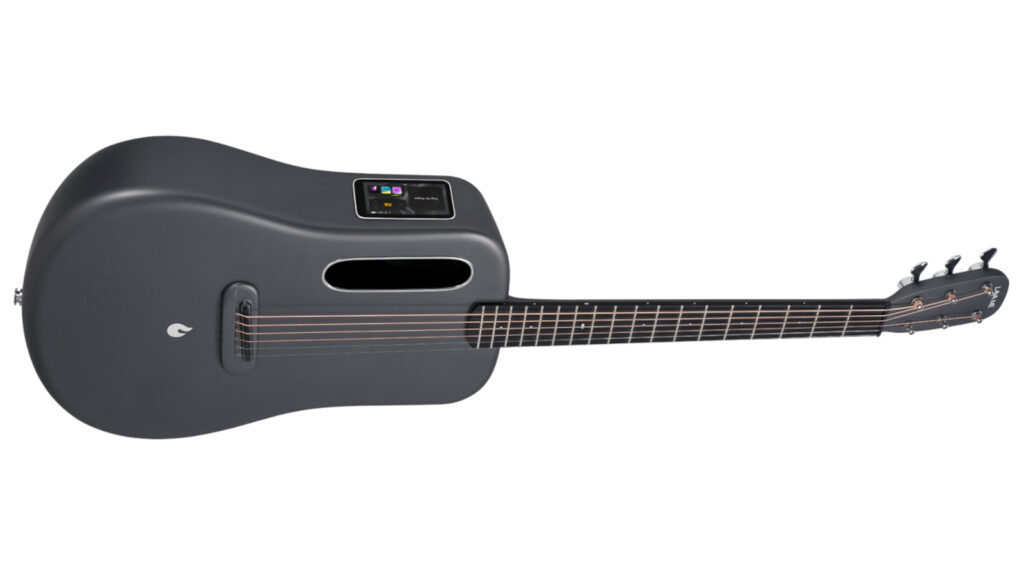
Smart guitars have also gained attention in recent years. These modern instruments integrate built in effects digital tuners Bluetooth connectivity and recording features. Some smart guitars even allow wireless connection to mobile apps for tone customization and track layering. This innovation enhances portability and makes guitar playing more accessible to beginners. With smart technology musicians can experiment freely without additional gear.
Pickups have experienced remarkable advancements as well. Traditional single coil and humbucker pickups remain popular but new hybrid and active pickups offer enhanced sensitivity clarity and noise reduction. Multi output pickups allow separate signals for bass and treble strings which improves tone shaping during recording. Some modern guitars also feature piezo pickups combined with magnetic pickups for blending acoustic and electric tones. This flexibility gives players the ability to switch styles instantly during live performances.
Another major innovation is the rise of digital effects. Effects pedals have grown from simple analog devices into complex digital processors. Musicians can now recreate atmospheric reverb lush delays dynamic compression and experimental sounds through compact portable units. Multi effects pedals allow users to save presets for quick changes during live performances. This evolution supports creative exploration and helps musicians produce unique signature sounds.
Wireless stage equipment has also transformed live performances. Many guitarists now use wireless transmitters instead of traditional cables giving them freedom to move across large stages. This technology enhances stage presence and reduces cable related issues. Coupled with modern monitoring systems guitarists can hear their sound more clearly during concerts which improves performance precision.
In the world of acoustic guitars technology plays a major role as well. Many acoustic guitars now include advanced preamps with equalization controls feedback protection and microphone blending options. These features allow acoustic players to amplify their instruments on stage without losing natural tone. Some guitars also include body sensors that capture vibrations to create a more realistic and dynamic sound.
Recording technology has evolved alongside guitars. Musicians can now create full guitar compositions using digital audio workstations that support multi track recording editing and mixing. Software tools allow detailed manipulation of tone timing and atmosphere while maintaining the authenticity of guitar performance. This combination of traditional playing and digital processing opens endless possibilities for creative expression.
The future of guitar technology looks promising as developers continue to push boundaries. Potential advancements include artificial intelligence assisted tone shaping immersive three dimensional audio environments and guitars with programmable hardware. These upcoming innovations will expand the way musicians interact with their instruments and how audiences experience music.
Despite rapid technological growth guitars remain iconic in the world of music. Their expressive sound emotional impact and cultural significance keep them at the center of musical creation. Technology enhances these qualities by providing more ways for guitarists to explore sound and creativity. As a result guitars will continue to evolve while maintaining their timeless charm and importance in modern music.