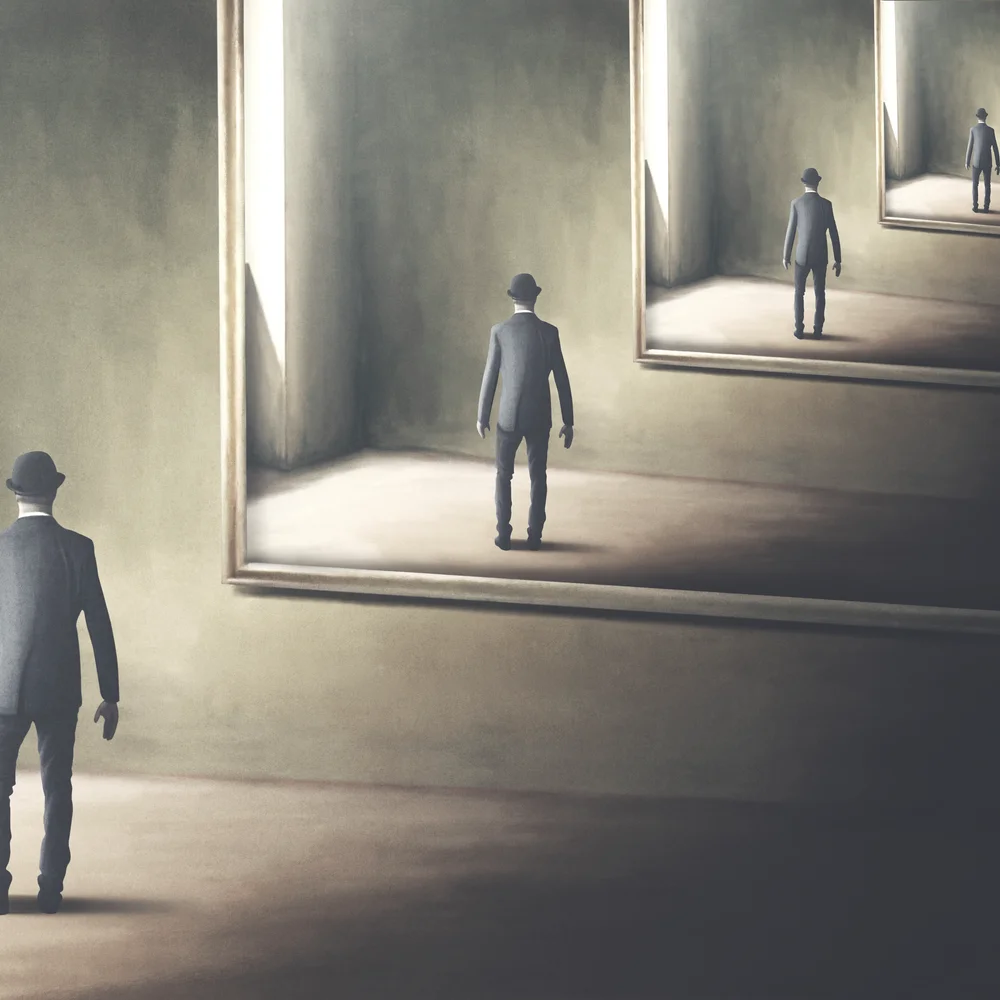
Déjà vu is one of the most intriguing psychological sensations experienced by humans. It is the sudden feeling that a current situation has happened before, even though you know it is impossible. The familiarity feels strong and immediate, almost like a memory returning from the past. For decades, researchers have tried to understand why déjà vu happens and what it reveals about the human brain. Although still mysterious, science has uncovered many fascinating explanations behind this unusual moment of familiarity.
What Is Déjà Vu
The term déjà vu comes from French and means already seen. It describes the moment when the brain mistakenly interprets a new experience as something familiar. People often describe the sensation as eerie, confusing, or strangely comforting. Déjà vu usually lasts only a few seconds, but it can leave a lasting impression and spark curiosity about how the mind works.
The Brain’s Memory System
To understand déjà vu, it helps to know how memory works. The brain stores information in two main forms: short term memory and long term memory. Under normal circumstances, the brain processes new information before saving it as memory. However, if the flow of information becomes briefly disrupted, the brain may misinterpret the new experience as a memory stored earlier.
Researchers believe that déjà vu occurs when the brain sends mixed signals between memory processing regions, particularly the hippocampus and surrounding areas. These regions play a key role in forming, storing, and retrieving memories.
The Double Processing Hypothesis
One popular explanation for déjà vu is called the double processing hypothesis. It suggests that the brain processes the same information twice in quick succession. If the second signal reaches the conscious mind slightly after the first one, the brain may confuse the experience as something from the past.
This split second delay creates a feeling of familiarity. Although the event is happening for the first time, the brain interprets it as something already stored in memory.
Familiarity Without Recognition
Another theory involves the concept of familiarity and recognition. Familiarity occurs when something feels known, while recognition happens when the brain identifies why it feels familiar. Déjà vu may arise when the brain triggers familiarity but cannot connect it to a specific memory.
For example, walking into a new room that shares similar features with a place you visited years ago may activate the brain’s familiarity response. However, because the match is not exact, your brain fails to identify the memory, creating the uncanny sensation of déjà vu.
Micro Memory Errors
Some scientists suggest that déjà vu happens due to minor glitches in the brain’s memory circuits. These micro errors may occur when the brain momentarily stores a new experience in long term memory before it is fully processed. As a result, the brain retrieves the memory instantly, making the person believe they have lived the moment before.
These micro errors are harmless and do not indicate any neurological issues. In fact, déjà vu is more common in people with healthy memory systems.
Dreams and Subconscious Influences
Dreams may also contribute to déjà vu. Sometimes, the brain encounters a situation that resembles a forgotten dream. Because dreams are often difficult to remember consciously, the brain may confuse the dreamlike memory with a real past event, creating a strong sense of familiarity.
Subconscious memory plays a role as well. The mind absorbs small details from daily life without storing them as fully conscious memories. When the brain later encounters similar elements, déjà vu may occur.
Why Déjà Vu Happens More to Young Adults
Studies show that déjà vu is more common in young adults than in children or older adults. This may be because younger people are more sensitive to new experiences and have faster functioning memory systems, which increases the chance of overlapping or misfiring signals.
As people age, the occurrence of déjà vu tends to decrease, possibly due to changes in memory processing efficiency.
What Déjà Vu Reveals About the Brain
Déjà vu provides insight into the brain’s ability to compare present experiences with memories stored in the past. It shows how complex and interconnected memory networks are. It also reminds us that the brain constantly evaluates new information, even when we are not aware of it.
Scientists view déjà vu as evidence that the brain uses sophisticated systems to detect familiarity and process memory. When these systems briefly miscommunicate, we experience déjà vu.
Is Déjà Vu a Cause for Concern
For most people, déjà vu is completely normal and not a sign of health problems. It happens randomly and does not cause harm. However, if déjà vu occurs very frequently or is accompanied by memory loss, dizziness, or confusion, it may be worth consulting a medical professional.
In general, occasional déjà vu is simply a fascinating quirk of how the brain works.
Déjà vu remains one of the most interesting psychological experiences known to humans. While it can feel mysterious or even supernatural, science shows that it is actually a natural result of the brain’s complex memory processes. The sensation highlights how powerful and sensitive human memory can be. Although much remains to be discovered, déjà vu continues to captivate researchers and spark curiosity among people everywhere.