Collecting rare items has been a popular hobby for centuries. From ancient coins to vintage toys, people across cultures enjoy finding, preserving, and showcasing objects that hold special meaning. While every collector has different motivations, the fascination with rare items reveals deeper psychological and social aspects that make this hobby both meaningful and rewarding. Understanding why people collect helps explain how a simple interest can evolve into a lifelong passion.
The Thrill of the Hunt
One of the biggest reasons people love collecting rare items is the excitement of searching for something valuable or unique. Many collectors describe the process as a treasure hunt. Whether they are browsing flea markets, attending auctions, or exploring online marketplaces, the possibility of discovering a rare item creates a strong sense of anticipation.
While the item itself may be small, the journey to find it creates a memorable experience. This thrill triggers the brain’s reward system, releasing dopamine when the collector finds something they have been searching for. Over time, this cycle of anticipation and reward becomes a powerful motivator.
Emotional Connection and Personal Meaning
Collecting is often tied to meaningful memories or personal stories. Someone who collects old video games may be reliving their childhood. A person who collects antique furniture may feel connected to a particular era or cultural style. Many collectors say that certain items remind them of loved ones or important moments in their lives.
This emotional value often outweighs the financial value. Even inexpensive items can be priceless to a collector if they carry significant personal meaning. This is why many collections become family heirlooms that are passed down through generations.
The Appeal of History and Storytelling
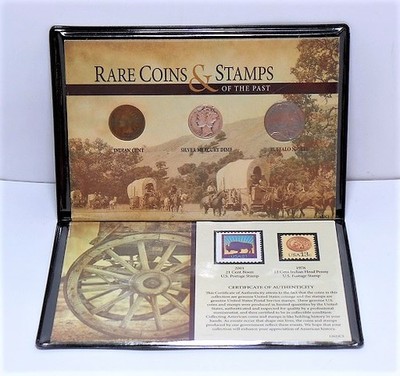
Rare items often have rich stories behind them. Coins from ancient civilizations reveal insights about culture and economics. Vintage cameras show how technology evolved over time. Historical documents and stamps reflect global events, politics, and communication.
Collectors enjoy learning these stories and sharing them with others. The items become more than objects; they become pieces of history. This desire to preserve the past drives many collectors to maintain their items carefully and display them proudly.
The Satisfaction of Organizing and Completing a Set
Humans naturally enjoy organizing things, and collecting provides a structured way to do this. Many collectors create categories, labels, or display systems to arrange their items. Completing a set, such as gathering all books in a series or all editions of a certain coin, gives a strong sense of accomplishment.
This sense of completion can be deeply fulfilling because it satisfies the human desire for order and progress. Every new item collected brings the hobbyist closer to their goal, creating a continuous sense of achievement.
Social Connections and Community
Collecting is not only a personal activity. Many collectors enjoy meeting others who share the same interests. Collectors often participate in clubs, online forums, exhibitions, and conventions where they can discuss their finds and exchange knowledge.
These communities create friendships and a sense of belonging. People who may not connect easily in other social settings often find comfort in talking with others who understand their passion. This social dimension makes collecting more enjoyable and meaningful.
Financial Value and Investment Potential
Some people begin collecting because they see rare items as a potential investment. Items such as art, limited edition sneakers, rare trading cards, and vintage watches can increase in value over time. This financial potential adds an extra layer of excitement and strategy.
However, experienced collectors know that not all rare items appreciate in value. Market trends can change quickly. Even so, the combination of passion and potential profit continues to attract new enthusiasts.
The Comfort of Nostalgia
Nostalgia plays a powerful role in collecting. Items from the past can evoke feelings of comfort, stability, and happiness. In a fast changing world, collecting allows people to reconnect with a simpler time or preserve memories that are important to them.
Nostalgic collections, such as old comics, retro fashion, or childhood toys, help people relive positive moments. This emotional comfort is one of the strongest reasons why many collectors remain devoted to their hobby for life.
How Collecting Benefits Mental Well Being
Beyond entertainment, collecting can improve mental health. The hobby reduces stress by providing a relaxing activity that focuses the mind. It encourages goal setting, patience, and persistence. Organizing a collection also gives a sense of control and stability.
For many people, collecting becomes a form of self expression. Their collection reflects their personality, interests, and values. This helps build confidence and a stronger sense of identity.
Collecting rare items is more than just gathering objects. It is a blend of adventure, emotion, history, community, and creativity. Whether someone collects postcards, fossils, sports memorabilia, or anything else, the hobby offers meaningful rewards that go far beyond the items themselves. As long as humans enjoy discovery and storytelling, collecting will continue to be one of the most fascinating and enduring hobbies in the world.