Sleep paralysis is one of the most intriguing and often misunderstood sleep phenomena experienced by people around the world. Many individuals report waking up unable to move, speak, or react, while remaining fully aware of their surroundings. This condition can last from a few seconds to a couple of minutes and often leaves a deep impression on those who experience it. Despite its frightening nature, sleep paralysis is a well studied process with scientific explanations rooted in how the human brain transitions between stages of sleep.
What Is Sleep Paralysis
Sleep paralysis occurs when the mind wakes up before the body does. Normally, during rapid eye movement or REM sleep, the body enters a state of temporary paralysis that prevents a person from acting out their dreams. This is a natural protective mechanism. However, in some cases, the brain becomes aware and alert before REM paralysis ends. The result is the sensation of being awake but unable to move.
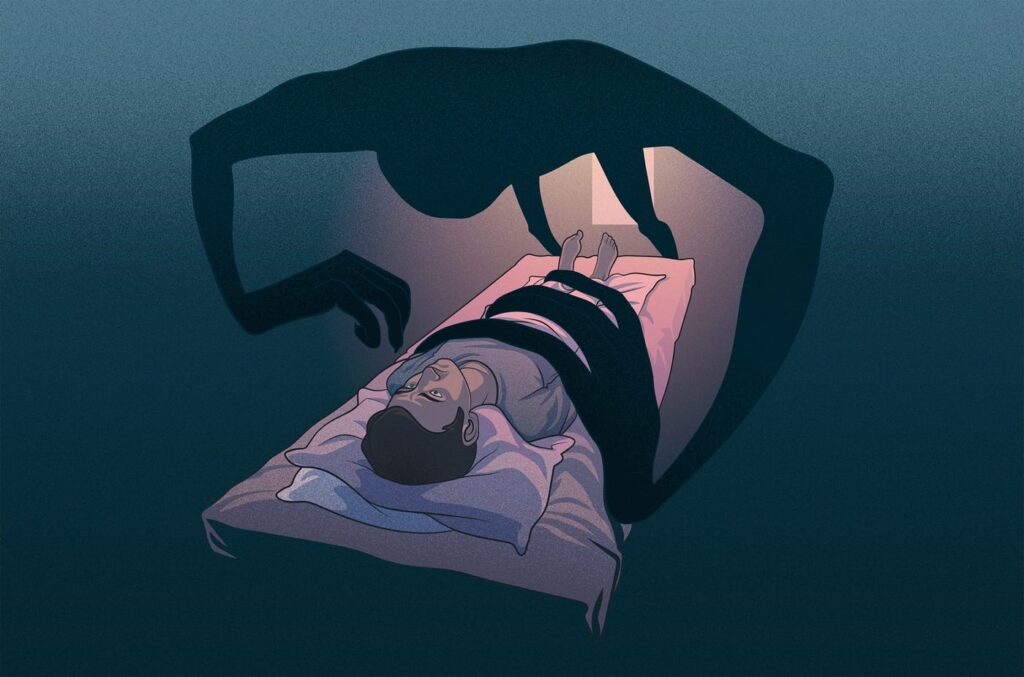
People experiencing sleep paralysis often describe a heavy feeling in the chest, an inability to breathe deeply, and the sense of being held down. Although these sensations feel real, they are directly related to muscle atonia, which is the medical term for the temporary paralysis that occurs during REM sleep.
Why Sleep Paralysis Happens
There are several reasons why sleep paralysis occurs. Irregular sleep patterns are one of the most common triggers. People who frequently stay up late, work night shifts, or experience jet lag are more vulnerable. Sleep deprivation also increases the likelihood, as the brain struggles to regulate the boundaries between different sleep stages.
Mental stress and anxiety can contribute to sleep paralysis as well. When the mind is overloaded, sleep cycles become disrupted, and the risk of experiencing unusual REM transitions increases. Conditions such as narcolepsy are also associated with higher rates of sleep paralysis.
Genetics may play a role. Studies show that sleep paralysis can run in families, suggesting that some individuals are naturally more prone to it due to inherited traits.
The Hallucination Effect
One of the most memorable aspects of sleep paralysis is the hallucination effect. Many people report seeing shadowy figures, feeling a presence in the room, or hearing strange sounds. These hallucinations are typically linked to brain activity that blends dream imagery with waking consciousness.
Researchers divide sleep paralysis hallucinations into three categories. Intruder hallucinations involve sensing a dangerous presence. Chest pressure hallucinations involve the feeling of weight on the body. Vestibular motor hallucinations involve sensations of floating, spinning, or leaving the body. Although hallucinations can be terrifying, they are harmless and disappear once full muscle control returns.
Cultural Interpretations of Sleep Paralysis
Throughout history, sleep paralysis has inspired myths and legends. Different cultures have created their own explanations for this strange experience. In some parts of Europe, the phenomenon was associated with night spirits sitting on a person’s chest. In Japan, it was once linked to vengeful ghosts. In parts of Southeast Asia, people believed that supernatural beings were responsible for immobilizing individuals during the night.
Over time, scientific research has replaced these beliefs with biological explanations, but the folklore remains a fascinating reflection of how humans try to understand unusual experiences.
How To Reduce the Chances of Sleep Paralysis
Even though sleep paralysis is not dangerous, many people want to prevent it due to the fear it creates. Improving sleep hygiene is the most effective method. Going to bed at the same time every night, avoiding caffeine before bedtime, and keeping the sleep environment quiet and comfortable can help regulate sleep cycles.
Managing stress is equally important. Regular exercise, meditation, and a balanced lifestyle can reduce anxiety that may trigger irregular sleep patterns. For those who frequently experience sleep paralysis, speaking with a sleep specialist may provide personalized guidance.
Why Sleep Paralysis Continues To Fascinate Scientists
Sleep paralysis remains an important area of study because it offers insight into how the brain transitions between states of consciousness. By understanding these transitions, scientists can improve treatments for sleep disorders, explore the mechanisms behind dreaming, and learn more about how the brain controls awareness.
The condition also provides clues about how fear works. During sleep paralysis, the brain is alert but confused, which leads to intense emotional reactions. Studying these reactions helps researchers understand how humans respond to threats, both real and imagined.
Sleep paralysis may be frightening, but it is a natural and explainable part of the human sleep cycle. Understanding the science behind it helps reduce fear and provides reassurance that the experience is temporary and harmless. With proper sleep habits and stress management, most people can significantly reduce the chances of experiencing it. For those interested in the mysteries of the human mind, sleep paralysis remains a fascinating window into the boundary between dreams and wakefulness.