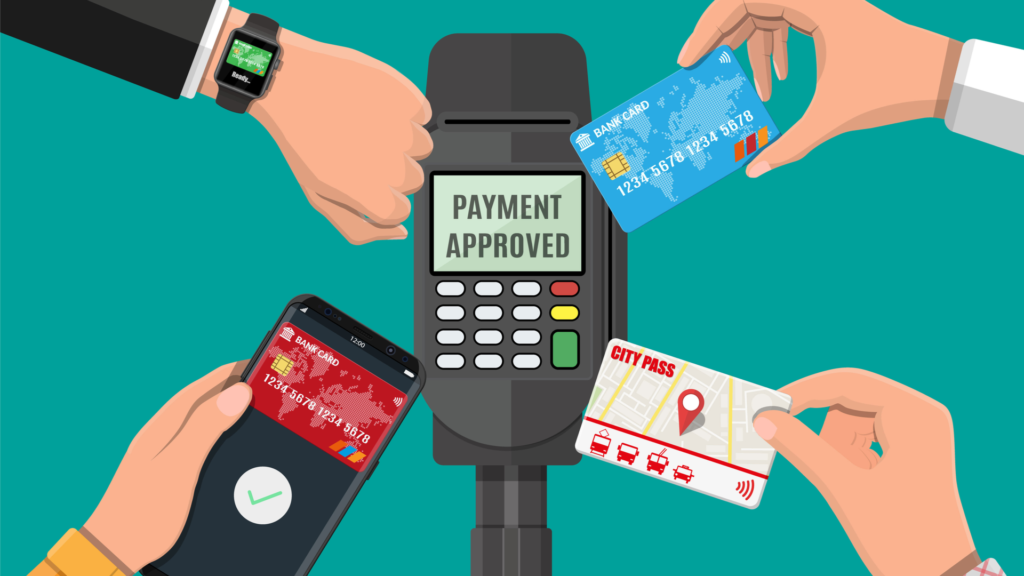
The transition toward cashless societies is one of the most significant global shifts of the modern era. The rise of digital wallets, mobile banking and online transaction platforms has altered the way people pay for goods, send money and manage financial activities. This transformation has become even more visible as consumers increasingly rely on smartphones for everyday tasks. A cashless society is not just a technological evolution. It is a cultural and economic shift that influences how people shop, interact and build financial habits.
One of the major drivers behind cashless living is convenience. Consumers are able to complete transactions within seconds, whether they are paying for transportation, groceries or online subscriptions. The speed and simplicity of digital payments reduce the need to carry physical currency or visit an ATM. For businesses, cashless systems make financial management more efficient. Automated records, simplified accounting and reduced risks associated with handling cash create a smoother workflow for business owners and employees.
Security is another important factor in the global movement toward cashless systems. Digital transactions provide clear documentation and can be protected through authentication processes such as biometrics, passwords and encryption. Physical cash, on the other hand, is vulnerable to theft and loss. With digital payments, users can track every transaction in real time. Banks and financial platforms continuously strengthen their fraud detection systems to ensure user safety.
The shift toward cashless living also impacts financial inclusion. In many developing regions, people who previously lacked access to traditional banking systems can now join the digital economy using mobile phones. Mobile wallets allow individuals to save money, receive salaries and make payments without opening a bank account. This shift empowers communities that were historically underserved and helps small businesses grow.
However, a cashless society is not without challenges. Some individuals remain uncomfortable using digital tools and prefer traditional cash transactions. The elderly, low income groups and people in rural areas may lack access to reliable internet or digital devices. If cashless systems become the norm without proper education and infrastructural support, it could widen the gap between those who are digitally literate and those who are not. For this reason, governments and financial institutions must ensure that digital financial education becomes accessible to everyone.
Cybersecurity remains another concern in cashless environments. Despite the advanced technology used to secure digital transactions, data breaches and cyberattacks can still occur. Users must practice safe online behavior, and companies must invest in strong security measures. These steps are necessary to build public confidence in digital payments.
Looking ahead, technological advancements will continue to shape the future of cashless societies. Innovative solutions such as biometric payments, AI driven fraud detection and blockchain based financial systems are transforming the digital payment landscape. As the world becomes more connected, the adoption of these technologies will accelerate. A future where digital transactions dominate daily life seems inevitable.
The transition to a cashless society is not just about technology. It is about reshaping financial behavior, fostering economic growth and creating a more inclusive system for all. As long as privacy, security and accessibility are prioritized, cashless living has the potential to make global economies more efficient and more connected.