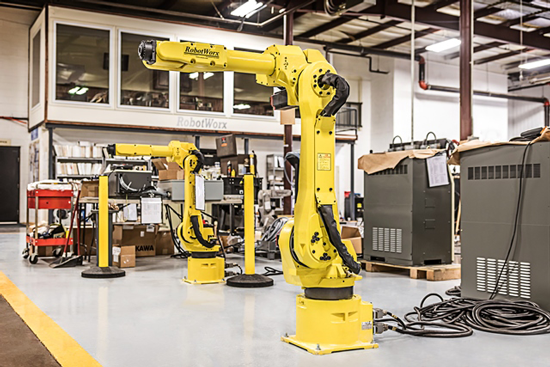
Automation and artificial intelligence (AI) are no longer futuristic fantasies. From smart assistants to automated services in banking, transportation, and home management, AI is reshaping everyday life in subtle yet profound ways. Understanding how AI influences daily routines helps people adapt and use technology wisely.
AI improves convenience. Virtual assistants help schedule appointments, remind of tasks, and manage shopping lists. Smart home devices can adjust lighting, temperature or security settings automatically. Many individuals use AI-powered apps for language learning, fitness tracking, budgeting, or even mental health support. All these make life more streamlined and efficient.
In sectors like healthcare, AI supports diagnostics, patient monitoring, and personalized treatment plans. In transport, autonomous vehicles, traffic management systems, and predictive maintenance improve safety and efficiency. In business, AI automates repetitive tasks, data analysis, and customer service, allowing humans to focus on creative and strategic work.
However, automation raises important ethical and social considerations. As machines take over certain jobs, workers may face displacement. This calls for upskilling and adaptation. Society needs to invest in education to prepare people for new types of work.
Privacy and data security are also critical. AI systems often rely on large amounts of personal data. Ensuring that data is handled responsibly and transparently becomes essential.
Despite challenges, the potential of AI remains vast. With responsible development and use, automation and AI can enhance productivity, improve quality of life, and open new opportunities. As these technologies evolve, they will continue to shift how people work, learn, and interact.