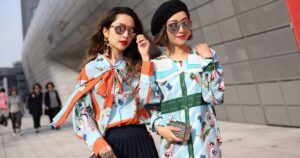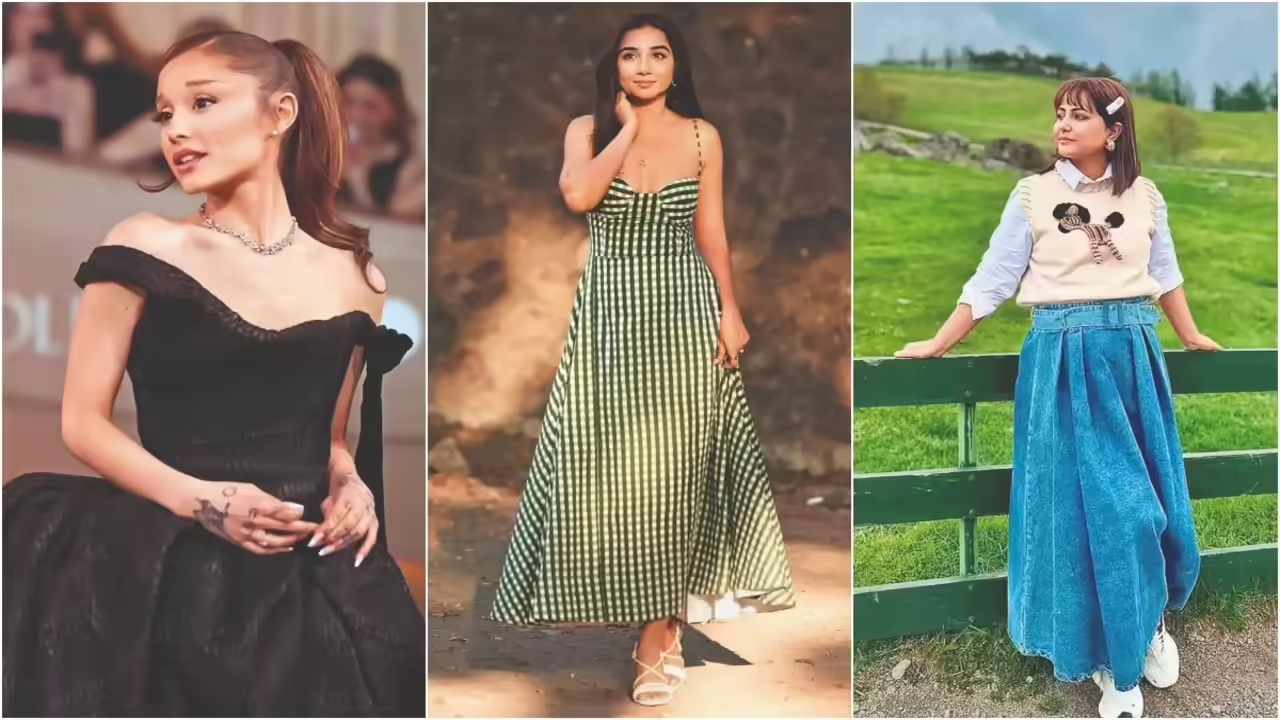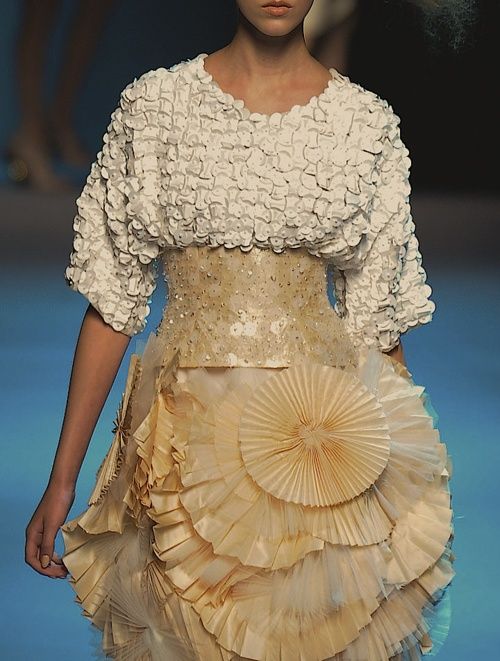
Textures and fabrics play a vital role in defining modern fashion trends. Beyond color and silhouette, the choice of material determines how a garment looks, feels, and performs. In today’s fashion landscape, designers are experimenting with diverse textures and innovative fabrics to create depth, movement, and visual interest.
From sheer layers to richly embellished surfaces, textures and fabrics have become central elements in contemporary style.
The Rise of Sheer and Lightweight Fabrics
Sheer fabrics such as chiffon, mesh, organza, and tulle are dominating modern fashion collections. These lightweight materials add elegance and softness while allowing creative layering.
Sheer fabrics are often used to create contrast when paired with structured or opaque materials. Dresses, tops, and skirts featuring transparent layers offer a balance between subtle sensuality and sophistication. This trend reflects a modern approach to femininity and fluid design.
Layered sheer fabrics also enhance movement, making garments appear dynamic and visually engaging.
Embellished Fabrics for Statement Looks
Embellishment has become a key texture trend in modern fashion. Fabrics adorned with sequins, beads, crystals, embroidery, and metallic threads are no longer reserved for evening wear. Designers now incorporate embellished materials into casual and semi-formal outfits.
These textured fabrics create eye-catching reflections and add dimension to clothing. Jackets, skirts, tops, and even trousers are enhanced with decorative surfaces, transforming simple silhouettes into standout pieces.
Embellished fabrics allow individuals to express boldness and creativity while elevating their overall look.
Soft and Tactile Materials Take Center Stage
Comfort-driven fashion has increased the popularity of soft and tactile fabrics. Materials such as suede, velvet, knitwear, and brushed cotton offer warmth, softness, and a luxurious feel.
Suede, in particular, has made a strong comeback in jackets, skirts, and accessories. Its matte texture adds richness and depth to outfits while maintaining a refined appearance. Velvet and plush knits also contribute to a sense of comfort without compromising style.
These fabrics reflect the growing demand for clothing that feels as good as it looks.
Mixed Fabrics and Texture Contrast
One of the most noticeable trends in modern fashion is the use of mixed fabrics within a single outfit. Combining textures such as leather with knit, denim with chiffon, or satin with wool creates visual contrast and modern appeal.
Texture contrast adds complexity to outfits and prevents them from looking flat or predictable. Designers use this technique to highlight different parts of a garment and create unique fashion statements.
Mixing fabrics allows wearers to experiment with style while maintaining balance and cohesion.
Sustainable and Innovative Fabrics
Sustainability continues to influence fabric choices in the fashion industry. Eco-friendly materials such as recycled polyester, organic cotton, bamboo fabric, and plant-based leather alternatives are becoming increasingly popular.
Innovative textiles focus on durability, breathability, and reduced environmental impact. Many designers now prioritize sustainable fabrics without sacrificing texture or aesthetic appeal.
These materials represent the future of fashion, combining responsibility with modern design.
How to Style Textured Fabrics
Styling textured fabrics requires thoughtful balance. When wearing highly textured or embellished pieces, pairing them with simpler items helps maintain harmony. For example, a sequined top works best with plain trousers or skirts.
Layering different textures can create depth, but it is important to keep color palettes cohesive. Accessories should complement the fabric texture rather than compete with it.
Textured fabrics work well in both casual and formal settings, making them versatile additions to any wardrobe.
The Future of Textures and Fabrics in Fashion
As fashion continues to evolve, textures and fabrics will remain essential elements of design. Technological advancements and sustainability efforts will introduce new materials with enhanced performance and visual appeal.
Rather than focusing solely on appearance, future fashion fabrics will emphasize comfort, durability, and environmental responsibility while maintaining strong aesthetic value.
Textures and fabrics are redefining modern fashion by adding depth, movement, and personality to clothing. From sheer layers and embellished surfaces to soft tactile materials and sustainable textiles, fabric choices shape how fashion is experienced and expressed.
Understanding textures and fabrics helps individuals stay ahead of fashion trends while making informed and stylish wardrobe choices.